Agreed Value or Actual Cash Value: Which Is Better
Agreed Value is usually better if your car is worth more to you than its depreciated market price, but it costs more and isn't offered on every policy.
Free to compare
Agreed Value protects what you'd actually lose
Agreed Value means you and the insurer agree on a dollar figure when you buy the policy, and that's what you get paid if the car is totaled, no argument about depreciation. Actual Cash Value means the insurer pays what the car is worth at the time of the claim, after depreciation, which is almost always less than what you paid or what you'd need to replace it.
For an older driver, the difference usually comes down to the car. If you drive a classic, a restored car, or anything that's appreciated or held its value better than a typical used car, Agreed Value protects that. If you drive an ordinary car that depreciates the normal way, Actual Cash Value is standard and usually cheaper, and Agreed Value may not add much.
What kind of car you drive decides which one makes sense
Agreed Value exists mainly for cars where a standard depreciation schedule doesn't reflect reality. Classic cars, collector cars, and some low-mileage older vehicles can be worth more than insurers would otherwise calculate. If that's your situation, Agreed Value means you're not negotiating with an adjuster over a number you already settled on.
For a regular daily driver, even one that's a few years old, Actual Cash Value is what most standard policies offer, and it's priced for that. Paying extra for Agreed Value on a car that depreciates normally usually doesn't get you much more than ACV would pay anyway.
If you're not sure which category your car falls into, ask your insurer how they'd classify it and whether Agreed Value is even something they offer for it. Not every insurer offers Agreed Value coverage at all, and some only offer it through specialty or classic car policies.
What most people get wrong about Actual Cash Value
The mistake is assuming Actual Cash Value means what they paid for the car, or what it would cost to replace it with something similar today. It doesn't. It means the car's depreciated value at the moment of the claim, calculated by the insurer using mileage, condition, and comparable sales.
That number can come in lower than expected, especially if the car is older or has higher mileage. If you've kept a car in excellent condition, done the maintenance, and have the records to show it, that can support a higher ACV valuation, but it's still the insurer's calculation, not a number you agreed to ahead of time.
Agreed Value removes that uncertainty but only for the amount you set. If you underestimate the car's value when you set the Agreed Value, you could end up with less than you would have gotten under ACV. It's worth getting an independent appraisal if you go this route, rather than guessing at a number.
Questions people ask about this
Can I switch from Actual Cash Value to Agreed Value on my current policy?
Usually yes, but you'll need to ask your insurer directly since not all of them offer Agreed Value coverage. If they do, they'll likely require an appraisal or documentation to set the agreed figure before adding it to your policy.
Does Agreed Value coverage cost more than Actual Cash Value?
It typically does, since the insurer is committing to a fixed payout rather than one calculated at claim time. How much more depends on the insurer and the value you're agreeing to, so it's worth asking for a quote under both options before deciding.
Do I need an appraisal to get Agreed Value coverage?
Most insurers that offer Agreed Value will ask for some form of appraisal or documentation to support the value you're agreeing on. Check with the insurer directly, since the requirements vary by company and by how unusual the car is.
What happens if my car's value changes after I set the Agreed Value?
The agreed amount generally stays fixed until you renew or request a change, so if your car appreciates or depreciates significantly, the policy may no longer reflect its actual worth. Ask your insurer how often you can revisit or update the agreed figure.
Is Agreed Value the same as Guaranteed Asset Protection coverage?
No, they solve different problems. Agreed Value sets a fixed payout for the car's value, while GAP coverage covers the difference between what you owe on a loan and what the car is worth, and the two aren't interchangeable.
Compare how insurers price Agreed Value against Actual Cash Value for your car before you decide which one to carry.
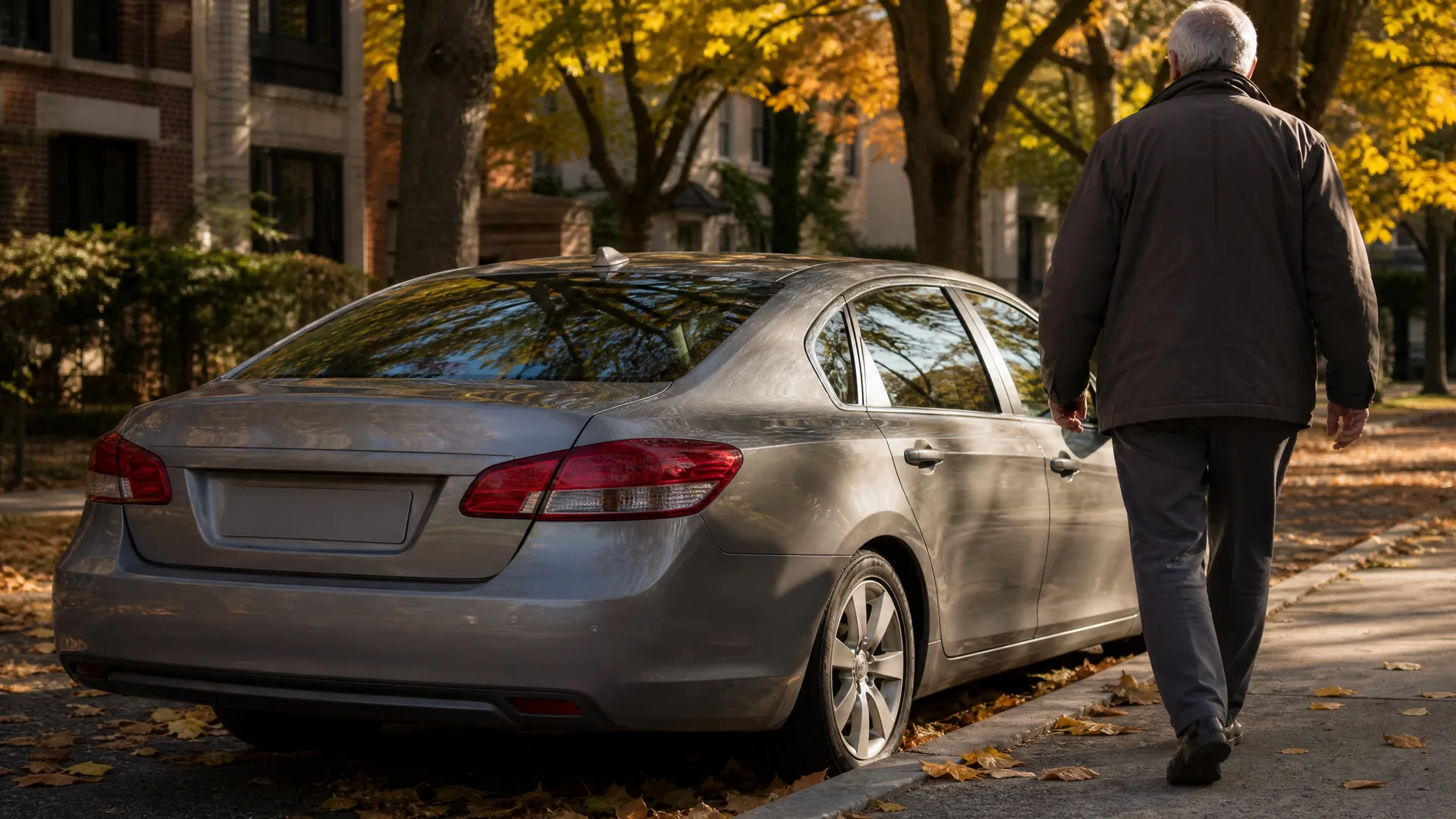
Start by finding out what your car would be worth under Actual Cash Value, since that's the baseline you're comparing against. Call your insurer or check your policy declarations page to see which valuation method you currently have. If your car is a classic, a collector vehicle, or unusually well kept, ask whether they offer Agreed Value and what documentation they'd need to set that figure. Get an independent appraisal if you're serious about Agreed Value, so the number you agree to actually reflects the car. Then compare the cost difference between the two options before you renew, since switching is easier to do now than after a claim.