Am I Liable If Someone Else Crashes My Car
In most cases your own policy pays first, no matter who was driving, and whether you're on the hook further depends on why you lent them the car.
Free to compare
Your policy usually pays first
If you gave someone permission to drive your car and they crashed it, your insurance is typically the one that responds first, not theirs. Insurance generally follows the car, not the driver. This holds whether the other person is your spouse, your adult child, a friend, or anyone else you handed the keys to.
What happens after that depends on a few things. If the damage or injury costs more than your policy covers, the other driver's own insurance may be asked to cover the rest. And if you didn't actually give permission, meaning someone took your car without asking, the rules can shift. Check your policy's language on permissive use, and ask your insurer directly if you're unsure how it applies to your situation.
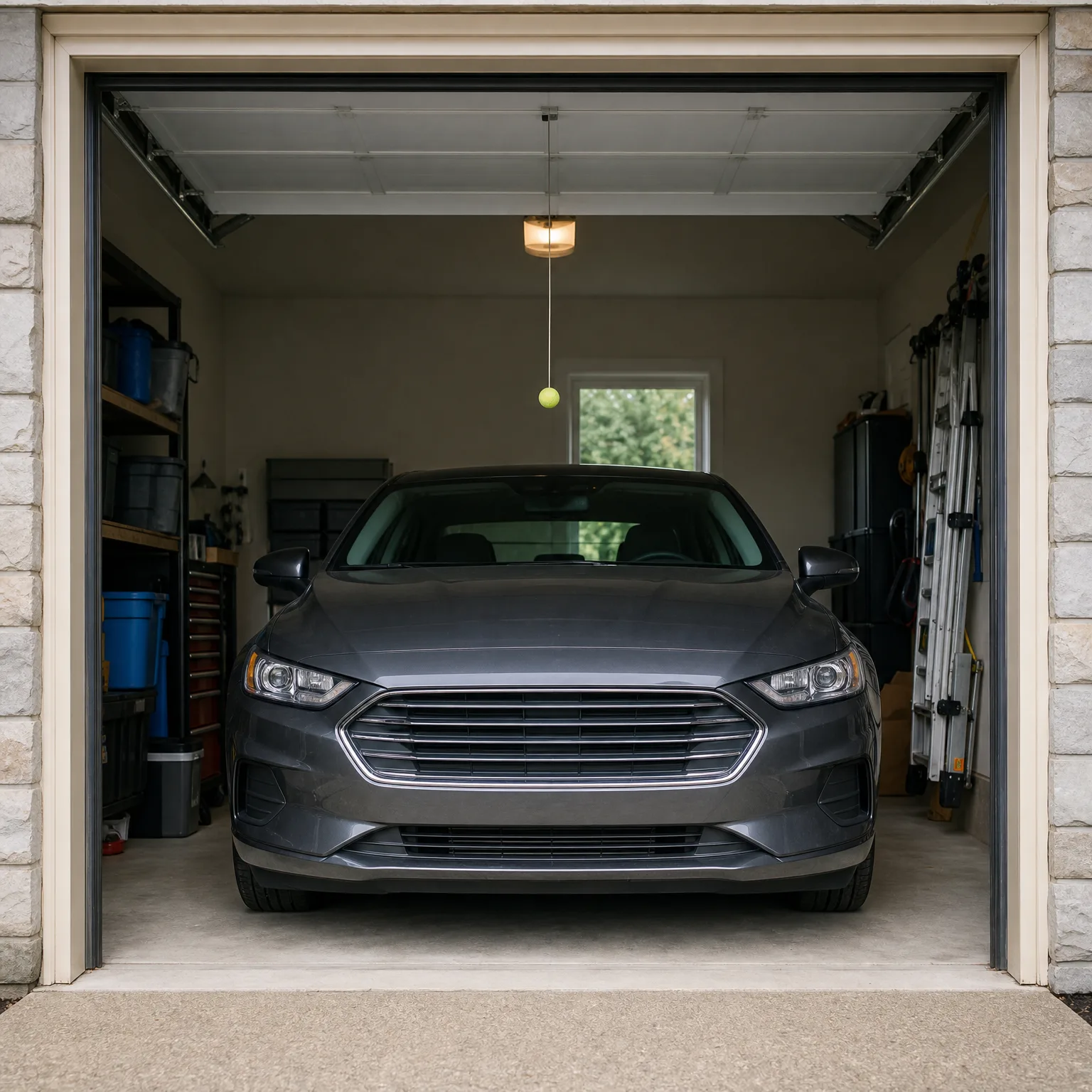
Whether you gave permission changes everything
If you handed someone the keys or told them they could drive your car, that's permissive use, and your policy almost always covers the crash as if you were driving. This is true even if you weren't in the car and had no idea they'd get into an accident.
If the person took your car without asking, that's a different situation. Some insurers may still cover the claim and then try to recover costs from the driver, while others may deny coverage entirely. This is set by your policy's terms and sometimes by state law, so ask your insurer how they'd handle an unauthorized driver before you assume either way.
If you loaned your car to someone who isn't on your policy at all, some insurers treat that differently than loaning it to a listed driver. Ask your insurer whether an unlisted driver affects your coverage or your rate if they're in an accident.
If you regularly let the same person drive your car, many insurers expect that person to be listed on your policy. Not listing them could create problems with a claim later, so this is worth checking before it becomes relevant.

What your state and policy limits determine
Your state decides some of the basic rules here, including how liability is assigned when a borrowed car causes a crash. Some states follow pure permissive use rules, while others have additional requirements around who can be held responsible. Your state's insurance department or your own agent can tell you exactly how it works where you live.
Your policy limits also matter. If the crash causes damage or injury that costs more than your liability limits, you could be personally responsible for the difference, regardless of who was driving. This is one reason some people carry higher liability limits than the state minimum, especially if they often lend their car out.
Your premium can also be affected afterward. Even though the other person was driving, the claim is usually filed under your policy, and insurers often consider claims history when your policy renews. Ask your insurer directly how a claim involving another driver would affect your renewal.
Questions people ask about this
Does my insurance go up if someone else crashes my car?
It can, because the claim is typically filed under your policy even if you weren't driving. Whether your rate actually increases depends on your insurer's rules and your claims history. Ask your insurer how they handle claims where you weren't behind the wheel.
What if the person driving my car isn't listed on my policy?
Many policies still cover an unlisted driver as long as you gave them permission to drive, but some insurers treat frequent unlisted drivers differently than a one-time favor. Check your policy or ask your insurer whether unlisted drivers affect your coverage.
Can I remove myself from liability by saying I didn't know they'd crash?
Not knowing a crash would happen doesn't typically change your liability if you gave permission to drive the car. Liability in these cases usually comes from ownership and permission, not foresight. Ask your insurer or an attorney if your specific situation involves unusual circumstances.
What happens if I lend my car to someone without a license?
This can create serious coverage problems, since many policies exclude or limit coverage when the car was driven by someone unlicensed. Rules vary by insurer and by state, so check your policy and ask your insurer directly before lending your car to anyone without a valid license.
Should I add someone to my policy if they drive my car often?
If someone drives your car regularly, most insurers expect them to be listed, and not doing so can affect a claim later. Ask your insurer where they draw the line between occasional and regular use, since this varies by company.
See how different insurers handle situations like this before you decide who should be listed on your policy.
Pull out your current policy and find the section on permissive use or who is covered while driving your car. Make a note of your liability limits and whether they'd hold up if a borrowed car caused a serious accident. Call your insurer and ask two things: how they handle claims when someone else was driving, and whether lending your car to a specific person would affect your coverage or rate. If you regularly lend your car to the same person, ask whether that person should be added to your policy. Write down what the agent tells you, since this is the kind of answer worth having on record before anything happens, not after.