Buy the New Car Insurance Policy Before Canceling the Old
Buy the new policy first, let it take effect, then cancel the old one once you have proof the new one is active.
Free to compare
Yes, line up the new policy before you cancel the old one
A gap in coverage, even a short one, can follow you. Insurers look at your coverage history when they set your rate, and a lapse tells them you went without insurance for a while. It can mean a higher premium on top of the risk of driving uninsured if something happens in between.
The safer order is to get the new policy in place, confirm the start date, and only then call your old insurer to cancel. Ask the old insurer to end coverage on the date the new policy begins, not before. That way there's no day where you're paying for two policies and no day where you're paying for none.
Your state's rules on proof of insurance
Every state requires some form of continuous coverage to keep your registration valid, and the way that gets checked varies. Some states have your insurer report coverage electronically to the DMV, which means a lapse can show up quickly even if you meant it to be seamless. Others rely more on you producing proof if asked.
If your state uses electronic reporting, timing matters even more. A day or two gap between when the old policy ends and the new one starts can trigger a notice from the DMV, sometimes before you've even had a chance to explain that you switched insurers.
Check with your state's DMV or your insurance department's website for how coverage verification works where you live. If you're not sure, ask the new insurer directly. They deal with this every day and can tell you what their customers in your state typically run into.
What people get wrong about the switch
The common mistake is canceling the old policy first, usually because the renewal notice arrived and the reader wants to be done with it. That's backwards. Cancel first and you're uninsured until the new policy starts, even if that's only a matter of hours.
The other mistake is assuming the new policy starts the moment you buy it. Confirm the actual effective date and time with the new insurer before you do anything with the old one. If you're buying a new car and need coverage to start the moment you drive it off the lot, say so when you set up the policy.
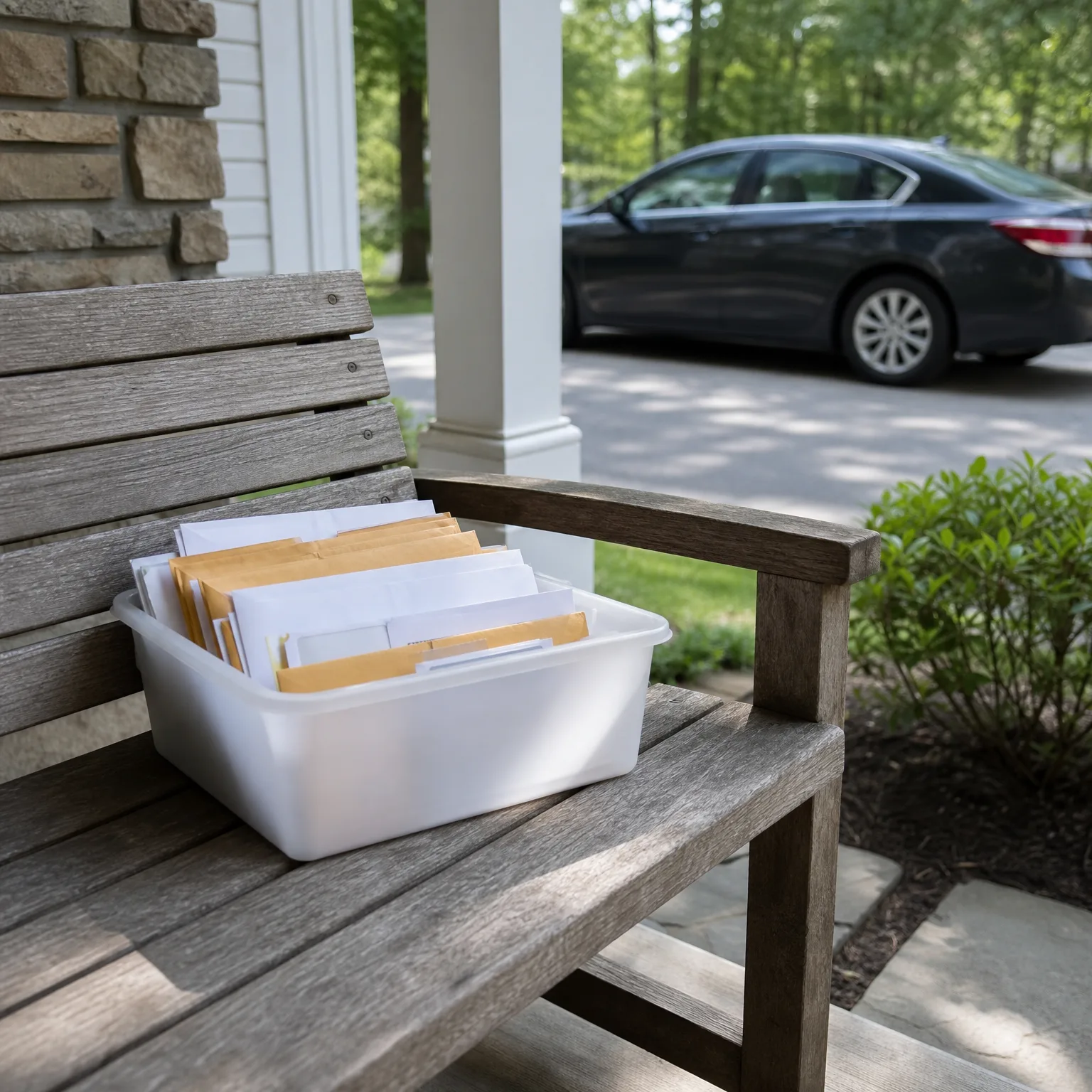
Keep the paperwork from both ends. A copy of the new policy's declarations page and a cancellation confirmation from the old insurer showing the date coverage ended are both worth having on hand for a few months after the switch, in case a question comes up.
Questions people ask about this
Will I get a refund if I cancel my old policy early?
Most insurers refund the unused portion of your premium if you cancel before the policy term ends. Some charge a short rate fee for canceling early, so ask your old insurer directly what you'll get back and when.
Do I need to tell my old insurer why I'm canceling?
No, you don't owe them a reason, though most will ask. You can simply say you're switching to a new policy and give them the date you want cancellation to take effect.
Can I have two car insurance policies on the same car at once?
You can technically hold two policies on one car, but most insurers won't cover a claim if they find out you had duplicate coverage, and it can look like insurance fraud in some cases. The point of overlapping policies briefly is just to avoid a gap, not to keep both running.
What happens if there's a gap in my coverage history?
A lapse can raise your premium with future insurers, since they often ask about continuous coverage when quoting. How much it matters depends on the insurer and how long the gap was, so ask any new insurer how they treat a short lapse before you assume the worst.
How do I cancel my old car insurance policy?
Call your old insurer directly rather than letting the policy lapse on its own. Give them the exact date you want coverage to end, matching the start date of your new policy, and ask for written confirmation once it's done.
See what a new policy would cost before you touch the old one.
Get your new policy quoted and confirm its exact effective date before you contact your current insurer. Once you have that date in hand, call your old insurer and ask them to cancel coverage effective that same day, not before. Request written confirmation of the cancellation and keep it along with the new policy's declarations page. If your state reports coverage electronically to the DMV, ask the new insurer how quickly that happens so you're not caught by a mismatched date. Hold onto both documents for a few months in case anything about the switch gets questioned.