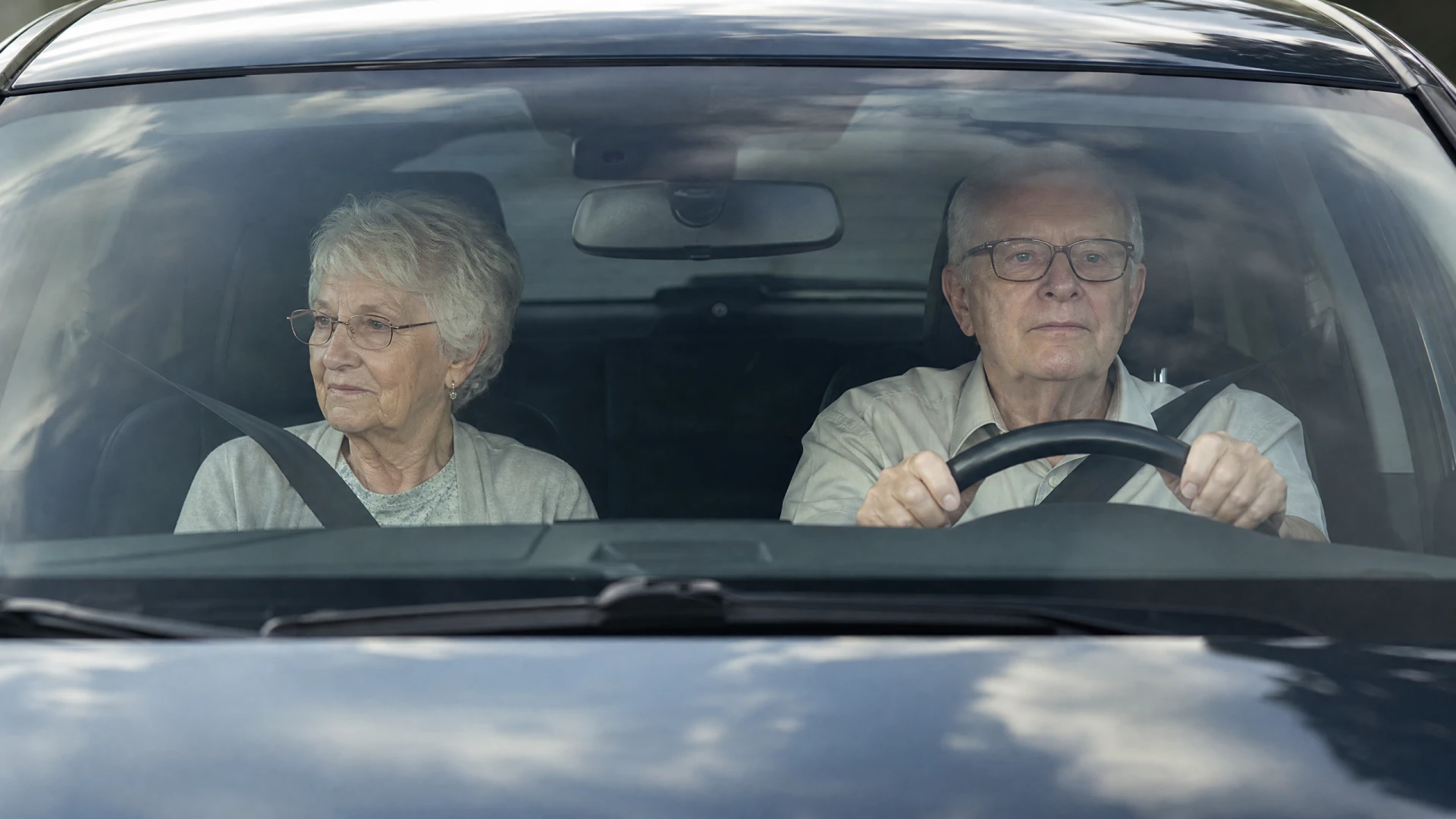
Can a Doctor Stop an Elderly Person from Driving
A doctor can't pull a license directly, but a report to the state licensing agency can trigger a reevaluation that leads to one.
Free to compare
A doctor reports concerns, the state decides
A doctor doesn't have the authority to take away a license. What a doctor can do is file a report with the state's licensing agency, usually the DMV or its equivalent, flagging a medical condition that may affect driving safety. Some states require doctors to report certain conditions. Others leave it up to the doctor's judgment.
Once that report lands, the state decides what happens next. That might mean a request for more medical information, a vision or road test, or a hearing before any action is taken. The doctor's opinion starts the process. It doesn't end it.
What state the patient is licensed in
Every state handles this differently, and the difference matters more than almost anything else here. Some states require physicians to report specific conditions, like seizure disorders or certain stages of dementia. Other states have no mandatory reporting at all, and a doctor who raises a concern is doing so voluntarily.
The process after a report also varies. Some states move straight to a road test. Others start with a review of medical records or a request for a specialist's evaluation. A few allow the person to keep driving while the review is underway, others suspend the license until it's resolved.
If you're trying to understand what could happen in a specific case, the state's DMV or motor vehicle agency can explain its own rules on medical reporting and reevaluation. Those rules are public, and they're the only ones that actually apply.
A family member can also contact the state agency directly, separate from anything a doctor does. Most states have a process for anyone, including relatives, to request a driving reevaluation if they have genuine safety concerns.
What the doctor is actually reporting
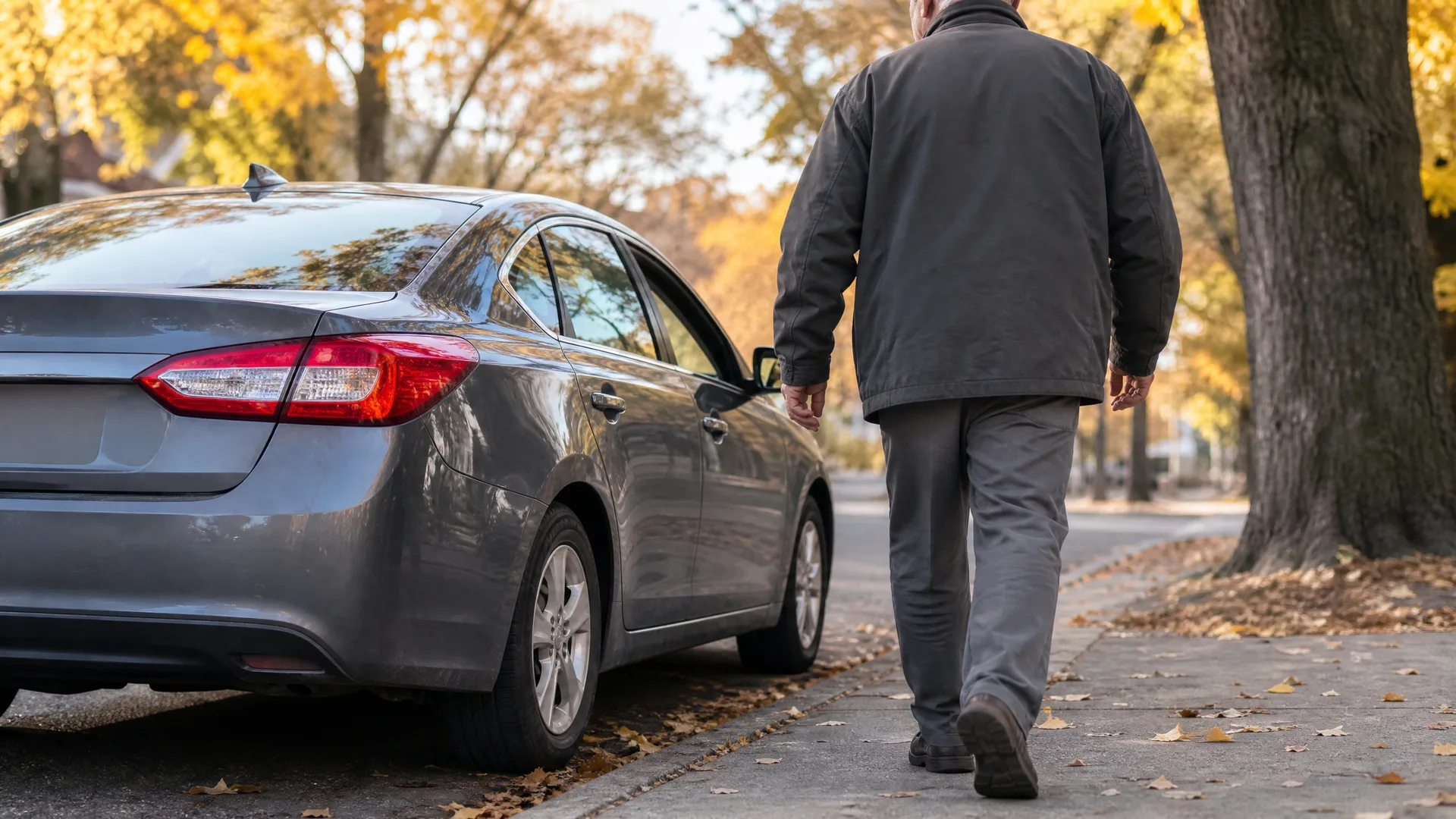
A diagnosis alone rarely leads anywhere on its own. What tends to matter to a state agency is how a condition affects specific abilities behind the wheel: reaction time, vision, memory, the ability to judge distance or respond to a sudden hazard. A doctor's report usually speaks to those functional effects, not just the name of a condition.
This is why two people with the same diagnosis can have very different outcomes. One person's condition might be well managed and have little effect on driving. Another's might affect judgment or alertness in ways that show up clearly in a road test.
Families sometimes expect a diagnosis to settle the question. It usually doesn't. What settles it is an evaluation of how the person actually drives, or how their condition affects the skills driving requires. That's the piece the state agency is looking for, and it's worth asking the doctor directly what they plan to report and why.
Questions people ask about this
Can family members report an elderly driver to the DMV?
Yes, most states allow anyone, including family members, to request a driving reevaluation. The process and what happens after a report varies by state, so it's worth checking with the state's motor vehicle agency directly for how they handle these requests and whether the reporter stays anonymous.
What happens after a doctor reports a patient to the DMV?
The state agency decides the next step, which could be a request for medical records, a vision test, a road test, or a hearing. It depends entirely on the state's process and what the doctor's report says about the specific condition and its effect on driving.
Does a dementia diagnosis automatically mean losing a license?
No, a diagnosis alone doesn't automatically end a license in most states. What usually matters is how the condition affects driving ability at the time of evaluation, which is why a functional assessment or road test often follows a report rather than an automatic suspension.
Can an elderly driver get their license back after a suspension?
Often yes, depending on the reason for the suspension and the state's reinstatement process. Some states allow a new evaluation, a doctor's clearance, or a road test to restore driving privileges. The state licensing agency can explain what's required in a specific case.
Will reporting a driving concern affect the person's car insurance?
A medical report to the DMV isn't the same as an insurance claim, and insurers don't automatically see it. But if a reevaluation leads to license restrictions or a suspension, that can affect coverage or rates, so it's worth asking the insurer how they handle a change in license status.
If driving status is about to change, it's worth seeing how that affects coverage and cost before renewal.
Start by asking the doctor directly what they intend to report and why, since that shapes what the state agency does next. Then contact the state's DMV or motor vehicle agency to ask about its specific process for medical reviews and reevaluations. Have any relevant medical documentation ready, since the agency may request it. If a hearing or road test gets scheduled, ask what's being assessed and what outcomes are possible. Families can also request a reevaluation directly, separate from a doctor's report, if they have specific safety concerns. Keep the insurer informed of any change in license status, since that can affect the policy.