Can I Own a Car and Not Insure It if I Do Not Drive It
You can own an uninsured car if you don't drive it, but your state may still require you to file paperwork saying so.
Free to compare
Yes, but check your state's rule on unused cars first
You're allowed to own a car without insuring it as long as you aren't driving it or keeping it registered for the road. Insurance is tied to driving and registration, not to ownership itself.
The catch is registration. In most states, if your car is registered, it has to be insured, whether you drive it or not. To legally skip insurance, you usually need to either cancel the registration or file something with your state's motor vehicle agency saying the car is off the road. The exact process depends entirely on your state, so that's the first thing to look up.
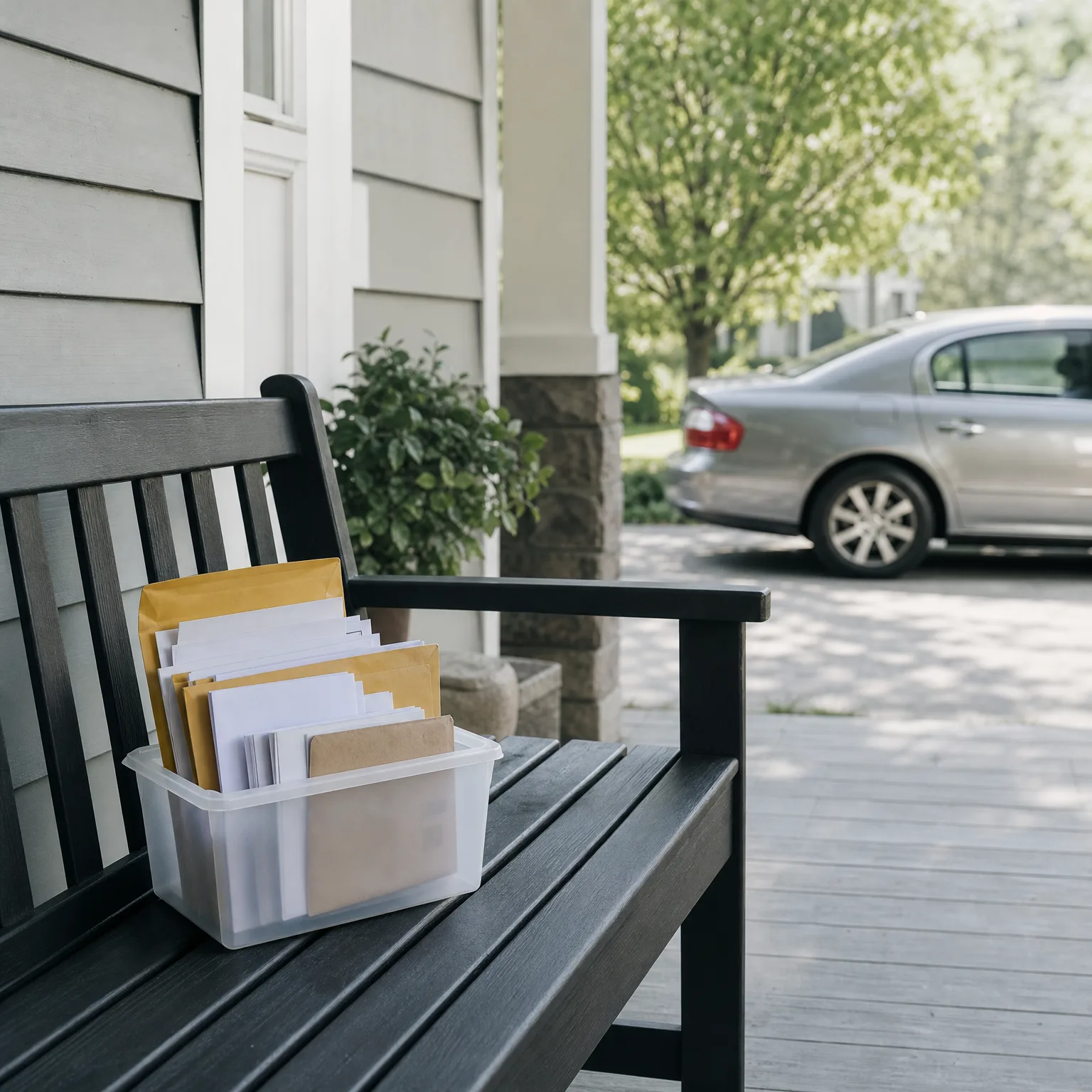
Registration is what actually triggers the requirement
States don't check whether you're driving. They check whether the car is registered. If the registration is active, the state assumes the car could be on the road, and most states require proof of insurance to keep that registration valid.
Some states have a specific form for this situation, often called a certificate of non-operation or something similar. Filing it tells the state the car is parked, stored, or otherwise off the road, and that you don't need to carry insurance on it for now.
If you skip this step and just stop paying for insurance while the registration stays active, your state's system may flag the gap automatically. That can lead to a suspended registration or a lapse fee, even though the car never left the garage.
Call your state's DMV or motor vehicle agency and ask what's needed to keep a car registered but unisured, or what's needed to take it off the road entirely. The answer is different everywhere.
What people get wrong about dropping coverage
A common mistake is assuming that simply not driving the car is enough, without telling anyone. If the registration is still active and the insurer cancels the policy, the state may find out through the same reporting system insurers use to confirm coverage, and that can trigger a lapse notice even though the car hasn't moved.
Another thing to watch for is your own insurer. Some insurers offer a reduced policy for a car that's stored and not driven, covering things like fire or theft without covering liability. That can be worth asking about if you want some protection without paying for a full policy.
If you plan to start driving the car again later, think about the lapse itself. A gap in coverage can affect your rate when you reinsure, depending on how long the car sat uninsured and what your insurer's rules are. Ask your insurer directly how they treat a reinstated policy after a gap.
Questions people ask about this
Do I need to cancel my registration if I'm not driving my car?
In most states, yes, if you want to legally drop insurance. Keeping the registration active without insurance usually isn't allowed, so check your state's process for suspending or canceling registration on a parked car.
What happens if my car insurance lapses while the car is registered?
Your state may flag the lapse and suspend your registration, since insurers typically report cancellations to the state. Ask your DMV what the penalty is and whether there's a way to avoid it if the car truly isn't being driven.
Can I insure a car just for storage or theft without full coverage?
Some insurers offer a limited policy for a parked or stored vehicle that covers things like fire, theft, or vandalism without liability coverage. Ask your insurer if they offer this and what it costs compared to dropping the policy entirely.
Will my rate go up if I let my policy lapse and then restart it later?
It depends on your insurer and how long the gap lasted. Ask your insurer directly how they handle reinstating a policy after a lapse, since the answer varies by company.
Can I drive the car occasionally if it's registered as non-operational?
Generally no. If you've filed a non-operation status with your state, driving the car on public roads can violate that status and may carry its own penalty. Check your state's specific rules before moving the car at all.
If you plan to drive the car again someday, it helps to know what a new policy would cost before you decide.

Start by calling your state's DMV or motor vehicle agency and asking what's required to keep a car registered without insurance, or how to take it off the road entirely. Have your registration and VIN on hand when you call. If you decide to drop coverage, get written confirmation from your insurer of the cancellation date, and keep it with your registration paperwork in case anyone asks. If you think you might drive the car again in the near future, ask your insurer about a storage-only policy instead of canceling completely. And if you do let the policy lapse, ask now how your insurer treats a reinstated policy, so there are no surprises later.