Can You Pause Car Insurance Temporarily
You can usually suspend coverage only if the car won't be driven, and even then your state and insurer both have to allow it.
Free to compare
It depends on whether the car will be driven at all
You cannot pause liability coverage on a car that's still being driven. If you or anyone else plans to drive it, even occasionally, it needs to stay insured the whole time.
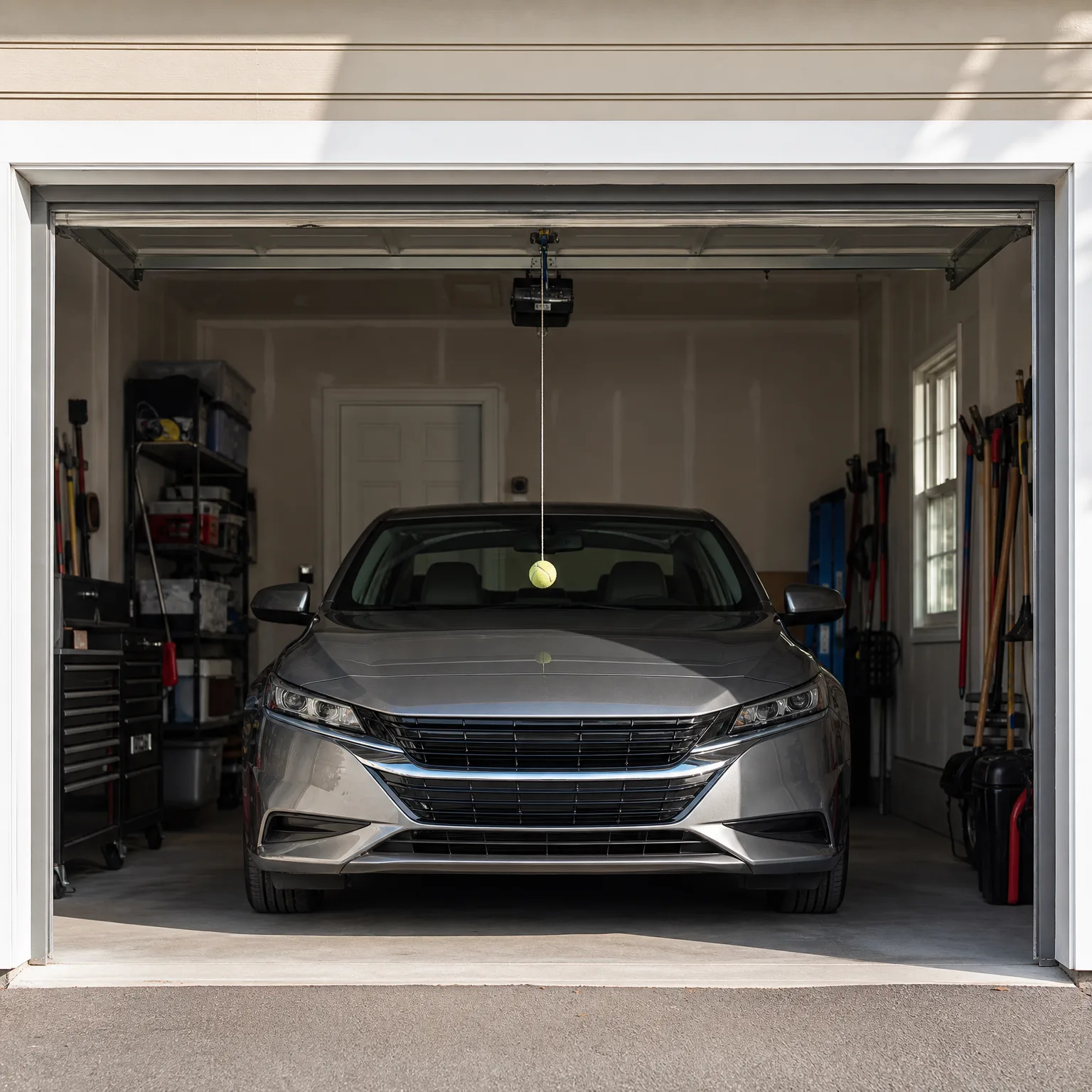
If the car is going to sit, in a garage, in storage, or at a second home, some insurers let you drop down to a lower level of coverage instead of canceling outright. Others will let you cancel the policy but want the car's registration suspended too, since driving an unregistered or uninsured car is illegal in every state. What's allowed comes down to your insurer's rules and your state's requirements, so the first call should be to your agent or insurer, not a cancellation form.
Your state decides what 'parked' has to mean
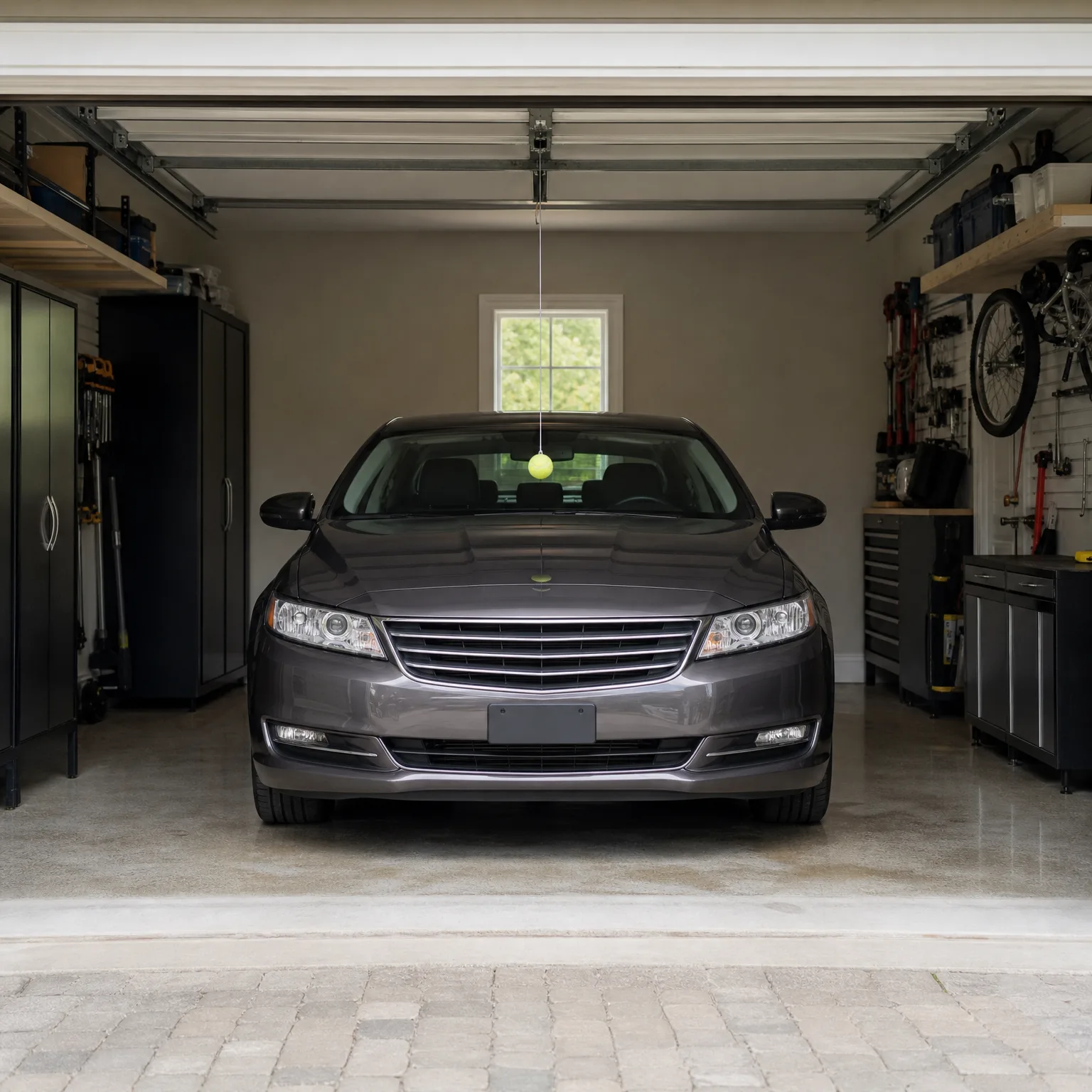
Most states require continuous insurance on any registered vehicle, whether it's driven or not. To actually pause coverage without a gap on your record, you typically have to turn in the plates or put the registration on non-use status with your state's motor vehicle agency first.
Some states have a specific non-operational or storage status for vehicles that aren't being driven. It usually still requires comprehensive-only coverage, not a full cancellation, to protect against theft, fire, or storm damage while the car sits.
Skipping this step is where people get caught. If you cancel your policy but leave the car registered, the state's system often flags the lapse automatically, and that can mean a suspended registration or a fine even though the car never left the driveway.
Check with your state's DMV or motor vehicle agency before you cancel anything, since the rule for what counts as properly parked is theirs, not your insurer's.
Your insurer decides what happens when you come back
Canceling a policy outright, rather than just lowering coverage, usually means you lose whatever discount you had for staying continuously insured. When you restart the policy, or shop for a new one, the insurer may treat you as a driver with a lapse, which can affect your rate.
Asking for a reduced or storage policy instead of a full cancellation often avoids this. You keep a policy on file, even a thin one, so there's no gap for the next insurer to ask about.
If you're helping a parent who's stopped driving for a season, perhaps for a medical reason or a long trip, ask the insurer directly what their storage or reduced-use option looks like, and what it takes to bring full coverage back when they're ready to drive again.
Questions people ask about this
What happens if I let my car insurance lapse instead of pausing it?
A lapse usually shows up when you apply for a new policy or renew an old one, and insurers often charge more for drivers with a gap in coverage. How much it matters depends on the insurer and how long the lapse was, so ask any insurer you're considering how they handle it.
Can I insure a car for just a few months instead of a full year?
Some insurers offer short-term or month-to-month policies, but not all of them do. Ask the ones you're comparing whether they offer anything shorter than a standard term, and what it costs compared to a full policy.
Do I still need insurance if my car is in storage?
Most states still require at least comprehensive coverage on a stored car if it stays registered, to cover theft or damage while it sits. Whether you can drop liability and keep comprehensive only is something to confirm with your insurer.
Will canceling my policy affect my driving record?
Canceling a policy itself doesn't go on your driving record, but it can show up as a lapse in insurance history, which is different. Insurers check that history when they set your rate, so ask how a gap would be treated before you cancel.
How do I un-suspend my car's registration when I'm ready to drive again?
You'll need to reinstate full insurance coverage first, then bring proof of it to your state's motor vehicle agency to reactivate the registration. The exact steps and any fees involved are set by the state, so check with your local DMV.
If you know the car won't be parked for long, it's worth seeing what a short gap or reduced policy would cost compared to staying fully covered.
Call your current insurer before you do anything else and ask what their options are for a parked or stored vehicle. Have your policy number and the dates you expect the car to sit unused. Ask whether they require comprehensive-only coverage during that time and what it costs. Then check with your state's motor vehicle agency about whether the registration needs to be suspended too, since driving or even owning a registered car without insurance can be a problem on its own. Once you know both answers, you can decide whether canceling, reducing, or keeping the policy as is makes the most sense.