Car Accident Claims for Seniors in California
The claims process works the same at any age, but how your insurer treats the claim afterward depends on your record and your policy.
Free to compare
The process is the same, the aftermath isn't
Filing a car accident claim in California works the same way for a senior driver as for anyone else. You report the accident to your insurer, they assign an adjuster, and the adjuster looks at fault, damage, and injury before deciding what gets paid.
What's different for an older driver is what happens after the claim closes. Some insurers look harder at age when they decide whether to raise your rate or question your coverage going forward. That isn't written into the claims process itself, it comes down to how your specific insurer handles things, so it's worth asking them directly rather than assuming.
Who was at fault changes everything that follows
California is an at-fault state, which means the driver found responsible for the accident is the one whose insurance pays for the other side's damage and injuries. If you weren't at fault, your own insurer may still help you file against the other driver's policy, but the money comes from their side.
Fault isn't always obvious right away. The police report, witness statements, and sometimes traffic camera footage all factor into how an adjuster decides it. If you disagree with how fault was assigned, you can ask your insurer what evidence they used and whether there's a way to dispute it.
If you're found at fault, expect your insurer to review your policy at renewal. Whether that means a higher premium depends on your insurer's own rules and your claims history before this accident, not on your age by itself.
If the other driver was at fault and has no insurance or not enough, your own uninsured or underinsured motorist coverage is what pays. Check your policy now, before anything happens, to see what that coverage actually includes.
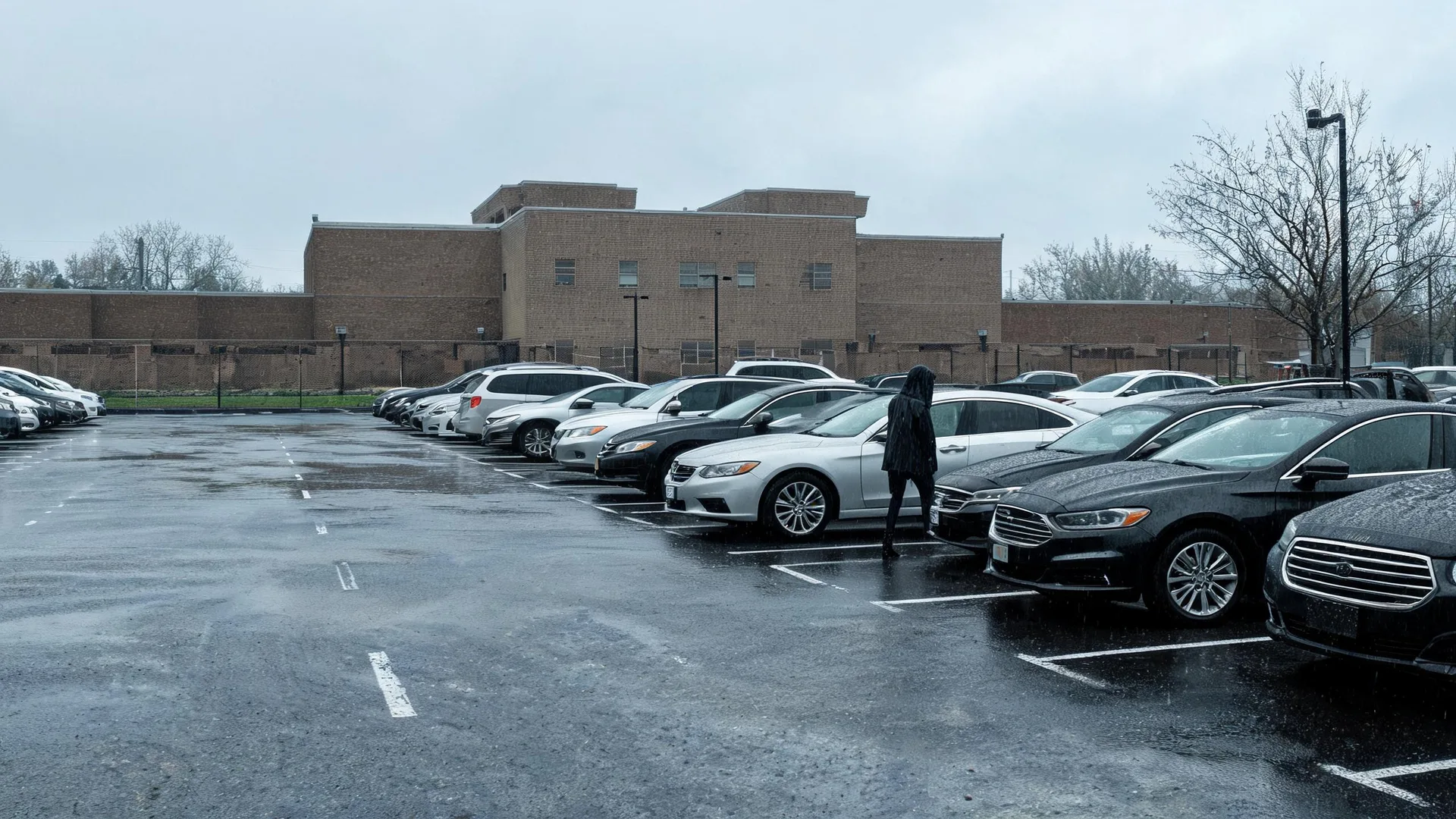
What the other driver's insurer assumes about you
When you file a claim, or when another driver's insurer contacts you because you were involved in their claim, don't be surprised if they ask more questions about your health, your vision, or how the accident happened than they would ask a younger driver. This comes from how some adjusters are trained to evaluate claims, not from any rule that treats senior drivers differently under California law.
You don't have to answer questions that go beyond the accident itself. If an adjuster asks about your medical history unrelated to injuries from this crash, you can decline and ask why they need it.
If the DMV gets involved, for instance because of a reported injury or because someone requested a reexamination, that's a separate process from your insurance claim. A DMV review of your driving ability doesn't automatically affect your insurance rate, and an insurance claim doesn't automatically trigger a DMV review.
Keep your own documentation: photos, the police report number, medical records if you were seen by a doctor. Having your own record of what happened protects you if the other insurer's version of events doesn't match yours.
Questions people ask about this
Does my insurance rate go up after an accident that wasn't my fault in California?
Usually not, but it depends on your insurer's policy and whether they can recover their costs from the at-fault driver's insurance. Ask your agent directly whether a not-at-fault claim affects your rate, since insurers handle this differently.
Can the DMV take away my license after a car accident in California?
The DMV can require a reexamination if it receives a report raising concern about your ability to drive safely, but a single accident doesn't automatically trigger this. Reports can come from law enforcement, a doctor, or in some cases a family member. Check with the DMV directly if you've been notified of a reexamination.
Should I accept the first settlement offer after a car accident?
Not until you understand what it covers and whether your injuries or damage costs are fully known yet. Some injuries take time to show up, so accepting early can mean you have no way to ask for more later. It's reasonable to ask the adjuster to explain exactly what the offer includes before you decide.
Do I need a lawyer for a car accident claim in California?
It depends on how serious the accident was and whether fault or injury compensation is being disputed. For a straightforward claim with clear fault and minor damage, many people handle it directly with the insurer. For disputed fault or significant injury, a consultation with a lawyer can clarify whether you need one.
Will taking a defensive driving course help after an accident?
It depends entirely on your insurer and your state's rules, since California doesn't require insurers to offer a discount for course completion. If your insurer does offer one, you typically have to send them the completion certificate yourself. Ask your insurer directly whether they recognize a course and what they need from you.
See how your rate compares before you decide whether to switch insurers.
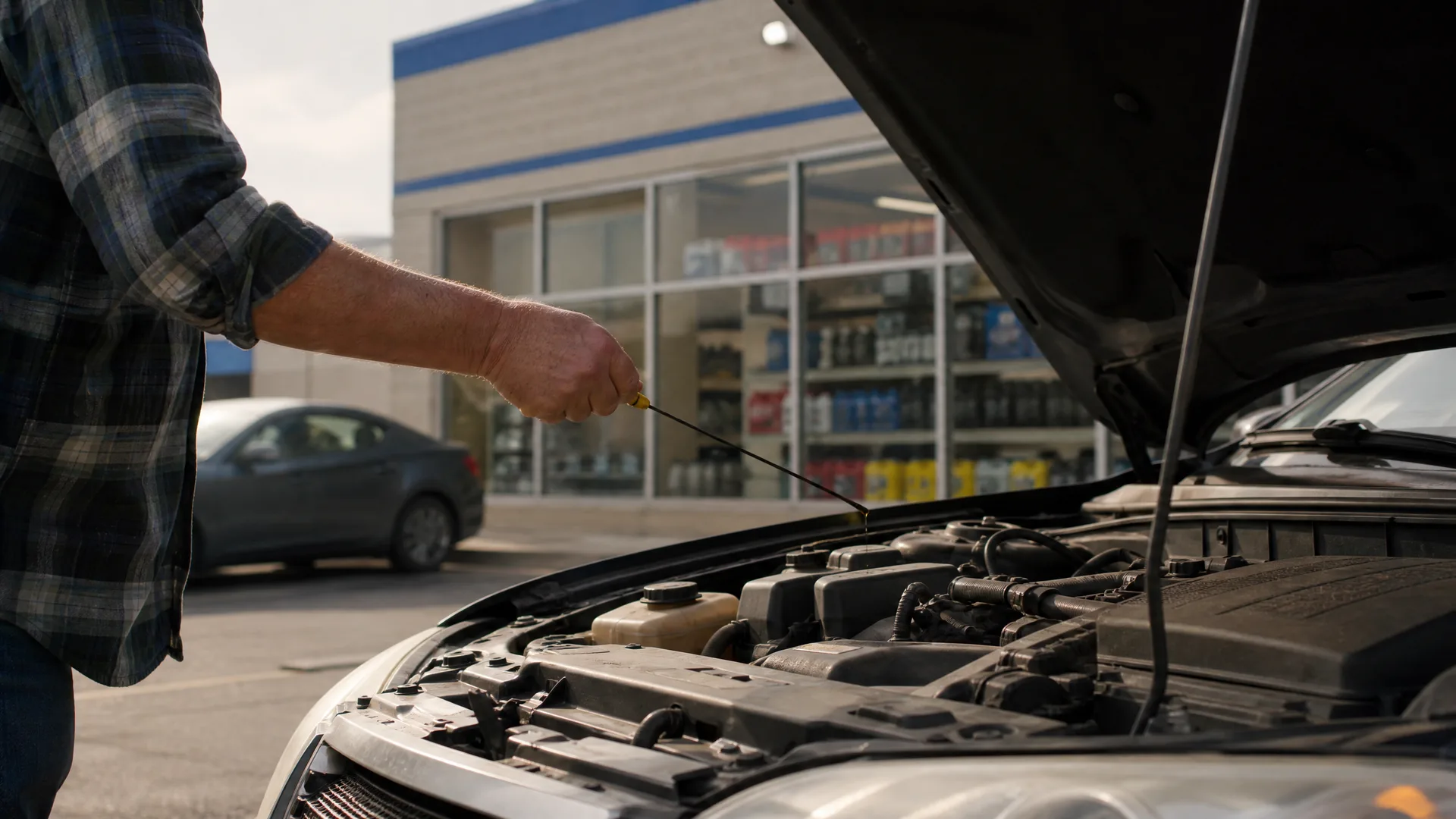
Pull together what you have on the accident: the police report, photos, any medical paperwork, and your current policy. Call your insurer and ask directly how this claim affects your renewal, not just how it gets paid now. If another driver's insurer contacts you, ask them to put their questions in writing so you have a record of what was asked. If you're not satisfied with how fault was determined, ask your insurer what it would take to reopen that question. Once the claim is settled, use it as a point to compare quotes from other insurers, since how one company treats a claim on renewal can be very different from how another one would.
Senior car insurance in California: rates, discounts and what the state requires