Car Accident Claims for Seniors in Illinois
The claims process works the same at any age, but how you document the accident and your injuries can shape what you're offered.
Free to compare
Your age doesn't change your legal rights after a crash
Illinois law treats every driver's claim the same way regardless of age. You have the right to file against the at-fault driver's insurance, seek payment for your medical bills and car damage, and negotiate or reject a settlement offer you think is too low.
What does change is how insurance adjusters sometimes approach older claimants. They may ask more questions about pre-existing conditions or suggest that your injuries were already present before the crash. None of that lowers your legal standing. It just means your documentation matters more.
How you document the crash and your injuries
The strength of your claim comes down to what you can show, not what you can remember. Call the police to the scene so there's an official report, even for a minor collision. Photos of both vehicles, the road, and any visible injuries help later when details get fuzzy.
See a doctor promptly, even if you feel fine at first. Some injuries, especially soft tissue injuries and concussions, take a day or two to show symptoms. A gap between the accident and your first medical visit gives the insurer room to argue your injury came from somewhere else.
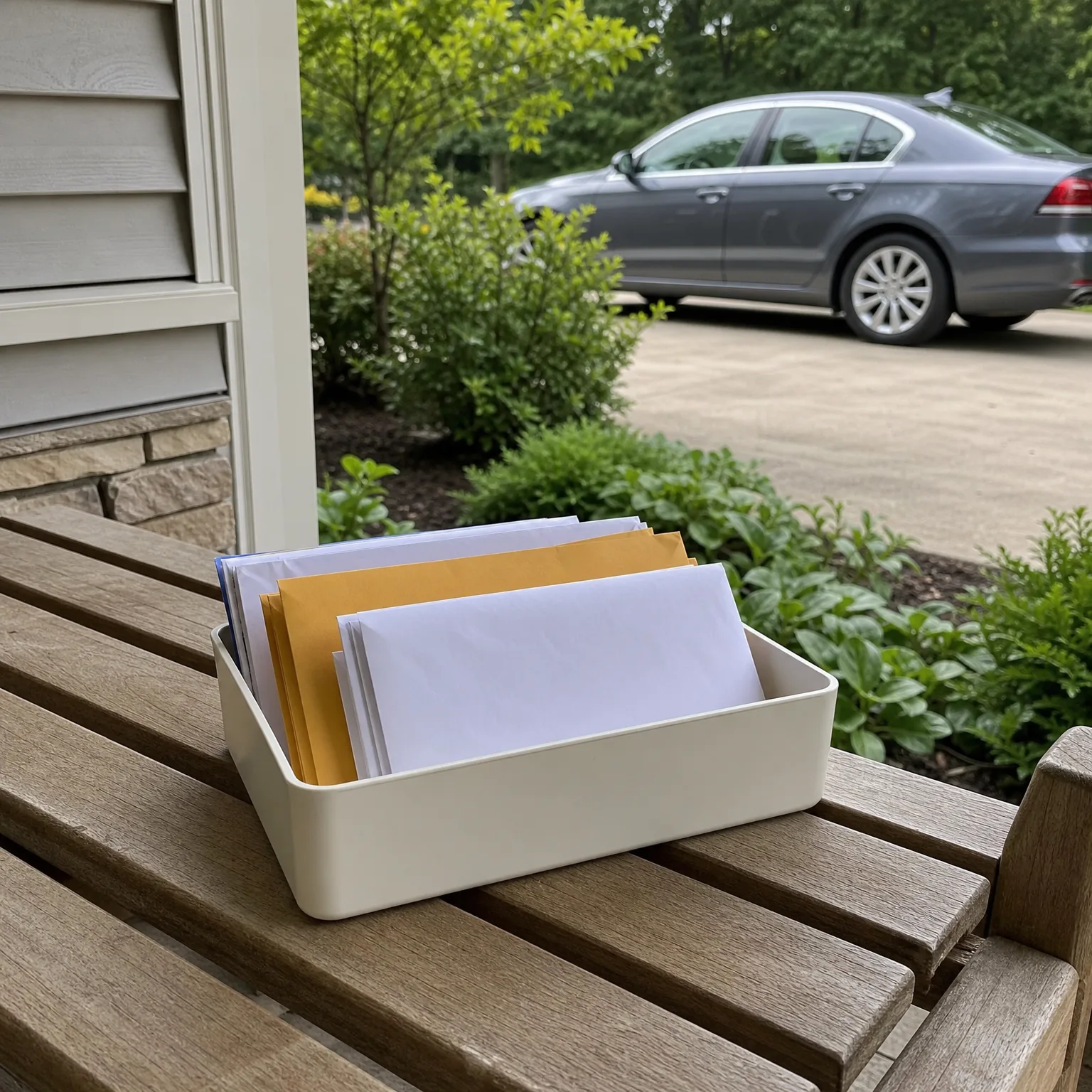
Keep every bill, every prescription receipt, and a written note of appointments you missed or help you needed around the house. Adjusters weigh paper heavily, and a claim backed by a clear record moves faster and settles higher than one based on your word alone.
If the other driver's insurer asks for a recorded statement, you can decline or ask to have it in writing instead. You're not required to speculate about things you're unsure of, and guessing at details you don't remember clearly can hurt your claim more than saying you don't recall.

Whether the insurer tries to use your medical history against you
Insurance adjusters sometimes request access to your full medical history, not just records related to the crash. You're entitled to limit what you share to records connected to the accident and the injuries it caused. A broader records release can let the insurer search for unrelated conditions to blame instead.
If you have a pre-existing condition, such as arthritis or a prior back injury, that doesn't disqualify your claim. Illinois law allows you to recover for an accident that worsened an existing condition, even if it didn't cause it outright. Your doctor's notes on how the crash changed your symptoms matter here.
Be cautious about early settlement offers, especially ones that arrive quickly after the crash. Insurers sometimes move fast on older claimants, hoping to close the file before the full extent of an injury is clear. You're allowed to wait until you understand your medical outcome before accepting anything.
If the claim is complicated or the insurer is pushing back on your medical history, an attorney who handles personal injury claims in Illinois can review the offer before you sign anything. You're not obligated to accept the first number offered.
Questions people ask about this
Do I have to report a minor car accident to my own insurance in Illinois?
Check your policy, since most require you to report any accident regardless of fault or how minor it seemed. Failing to report can give your insurer grounds to deny coverage later if the other driver's injuries or damage turn out to be worse than first thought. Report it even if you don't plan to file a claim yourself.
Can the other driver's insurance company deny my claim because of my age?
No, Illinois law doesn't allow an insurer to deny a valid claim based on the claimant's age. An adjuster may question your version of events or your injuries more closely, but age itself isn't a legal basis for denial. If you believe age is influencing how your claim is being handled, that's worth raising with the Illinois Department of Insurance.
How long do I have to file a car accident claim in Illinois?
Illinois sets a deadline for filing a personal injury lawsuit related to a car accident, and it's set by state statute rather than by any insurer. Check with the Illinois courts or an attorney for the exact timeframe that applies to your situation, since it can vary depending on who is at fault and what kind of claim you're filing. Filing your claim with the insurance company promptly after the accident is still a separate step from any lawsuit deadline, and waiting too long on either can limit your options.
Will a car accident claim affect my car insurance rate if I wasn't at fault?
If the accident report and investigation show the other driver was at fault, your own insurer generally shouldn't raise your rate for a claim you didn't cause. Rules on this vary by insurer, so ask your agent directly how a not-at-fault claim is handled on your policy. Some insurers note the claim on your record even when you weren't at fault, which is worth asking about too.
Should I accept a quick settlement offer after a car accident?
Not until you know the full extent of your injuries and repair costs, since a settlement typically closes out your right to ask for more later. Insurers sometimes offer a fast payout before medical issues fully surface, particularly for injuries that take time to diagnose. Take the time you need to see a doctor and understand your prognosis before deciding.
See what other drivers in your situation are paying before you renew.

Pull together the police report, your medical records tied to the crash, and copies of any bills or repair estimates. Call your own insurer to report the accident even if you're filing primarily against the other driver. If an adjuster asks for a broad medical records release or pushes a fast settlement, ask for it in writing and take time to review it, or have an attorney look it over first. Once your claim is resolved, it's also a reasonable time to compare quotes from other insurers, since your current company may not offer the best rate going forward regardless of how the claim was handled.
Senior car insurance in Illinois: rates, discounts and what the state requires