Car Accident Claims for Seniors in Rhode Island
The steps are the same as for any driver, but a few things are worth knowing before you call your insurer.
Free to compare
You file the same way, but a few details matter more
After a crash in Rhode Island, you report it to your insurer and, if it meets the state's threshold, to the police and the DMV. Age doesn't change the claims process itself. What changes is how closely an insurer may look at the claim, and how the other driver's insurer may try to use your age or your account of events against you.
The claim depends on who was at fault, what the police report says, and what your policy covers. None of that is different because you're older. The difference shows up in how you handle the conversation with the other side's adjuster.
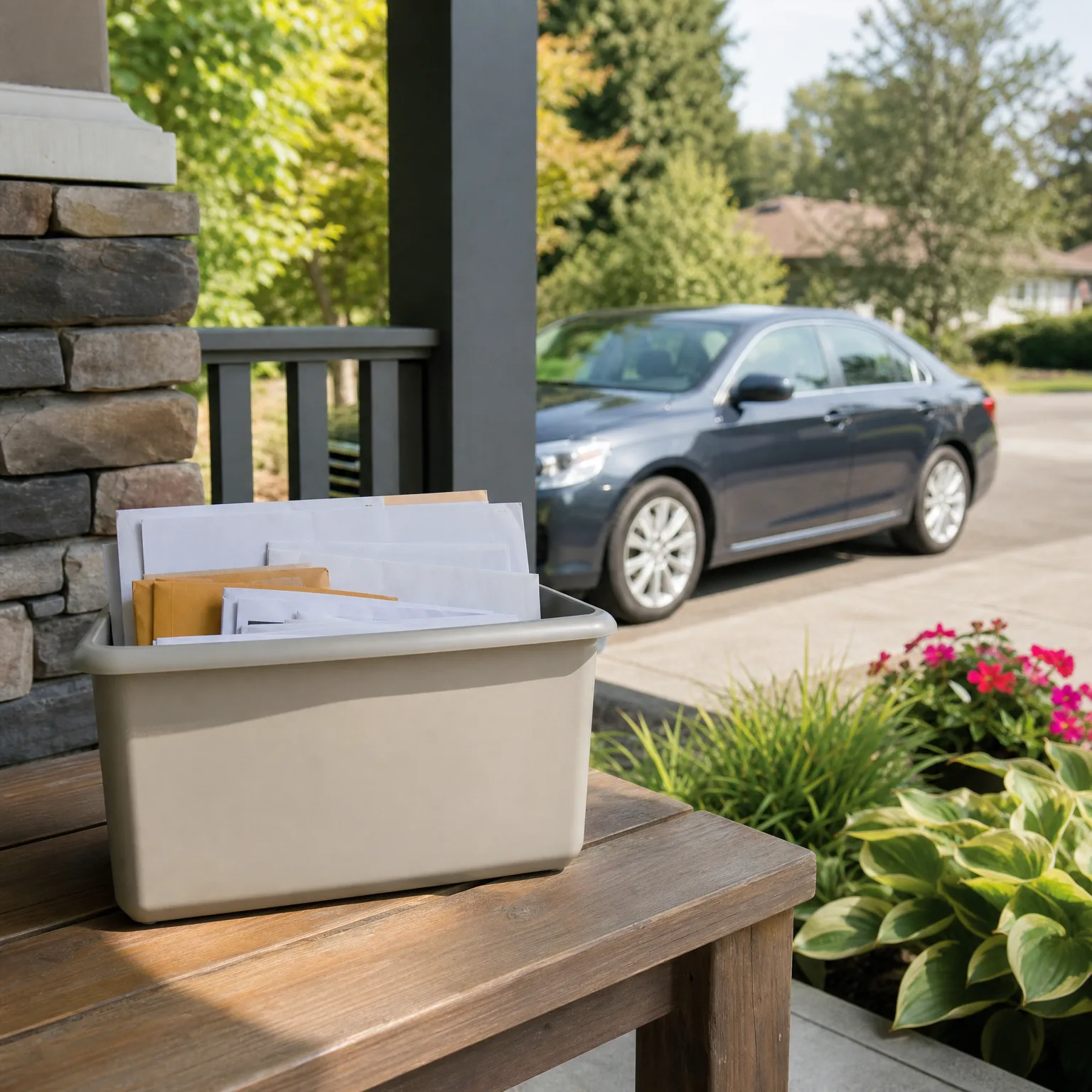
What you say at the scene and afterward
Rhode Island is a fault state, so the claim turns on who caused the crash. Insurers sometimes assume an older driver was at fault before they've seen the facts. Don't guess at fault out loud, at the scene or on a recorded call. Describe what happened and let the report and the evidence settle it.
If the other driver's insurer calls first, you don't have to give a recorded statement to them. You can ask them to put questions in writing, or wait until your own insurer has your claim open. Your insurer can tell you what they need from you and when.
Get a copy of the police report once it's filed. It becomes the main record both insurers will work from, so check that your age, your account, and the other driver's are written down correctly.
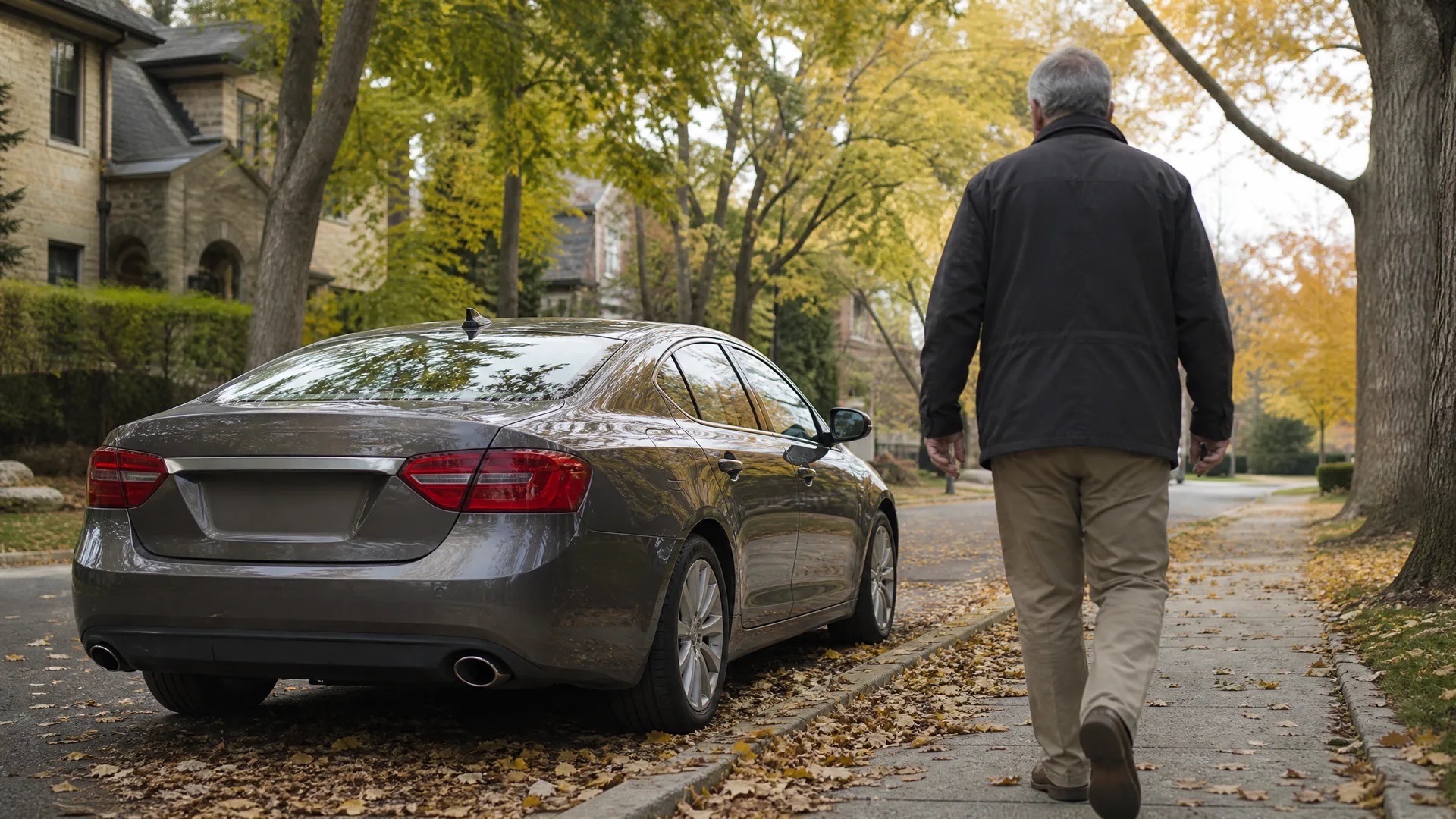
How the claim can affect your policy afterward
A claim where you weren't at fault typically shouldn't raise your rate, but insurers vary in how they weigh accidents even when fault is clear. Ask your insurer directly how this claim will be treated before you assume either way.
If your insurer later asks you to requalify for a safe driver discount, or asks about your driving history as part of the claim, that's a separate conversation from the claim itself. Keep the two apart. One is about who pays for this accident. The other is about what you pay going forward.
If the crash involved a question about your driving, such as a request for a vision test or a doctor's note, that comes from the DMV, not your insurer. Check directly with the Rhode Island DMV if you get any such request, rather than assuming it's tied to the claim.
Questions people ask about this
Do I need a lawyer for a car accident claim in Rhode Island?
Not always. If fault is clear and the damage and injuries are minor, most people handle the claim with their insurer directly. If there's a dispute over fault, a serious injury, or the other insurer is denying the claim, a lawyer who handles Rhode Island accident claims can tell you whether it's worth pursuing further.
What if the other driver has no insurance?
Check whether your own policy has uninsured motorist coverage, since Rhode Island requires insurers to offer it. If you have it, you file the claim with your own insurer instead of the other driver's. Ask your insurer how that coverage applies before assuming you're left paying out of pocket.
How long do I have to file a claim after an accident in Rhode Island?
There's a state deadline for filing a lawsuit over an accident, but your insurer's own deadline for reporting a claim is usually much shorter. Check your policy or ask your insurer directly what their reporting window is, and report as soon as you reasonably can.
Can my license be affected after an accident at my age?
A license review after a crash is a DMV decision, not something your insurer controls, and it's not automatic just because of your age. If the DMV does request a vision test or medical evaluation, that will come as a separate notice, and the Rhode Island DMV can tell you what triggered it.
Will my rate go up if I was not at fault?
It depends on your insurer's own rules, since not every company treats not-at-fault claims the same way. Ask your insurer directly whether this claim will count against you, rather than assuming the answer based on fault alone.
If this accident has you wondering what you're paying for coverage now, it's worth seeing what else is out there.

Report the accident to your insurer as soon as you can, and ask them directly how they'll treat a claim like yours. Get a copy of the police report and check that the details are accurate, including who was listed at fault. If the other driver's insurer contacts you, you don't have to answer on the spot. Keep any medical records, repair estimates, and correspondence together in one place. If you get any letter from the Rhode Island DMV about your license, call them directly to find out why before assuming it's related to the claim.
Senior car insurance in Rhode Island: rates, discounts and what the state requires