Car Accident Claims for Seniors in Vermont
A claim after an accident works the same way at any age, but how it's handled can turn on your record, your car, and how you report what happened.
Free to compare
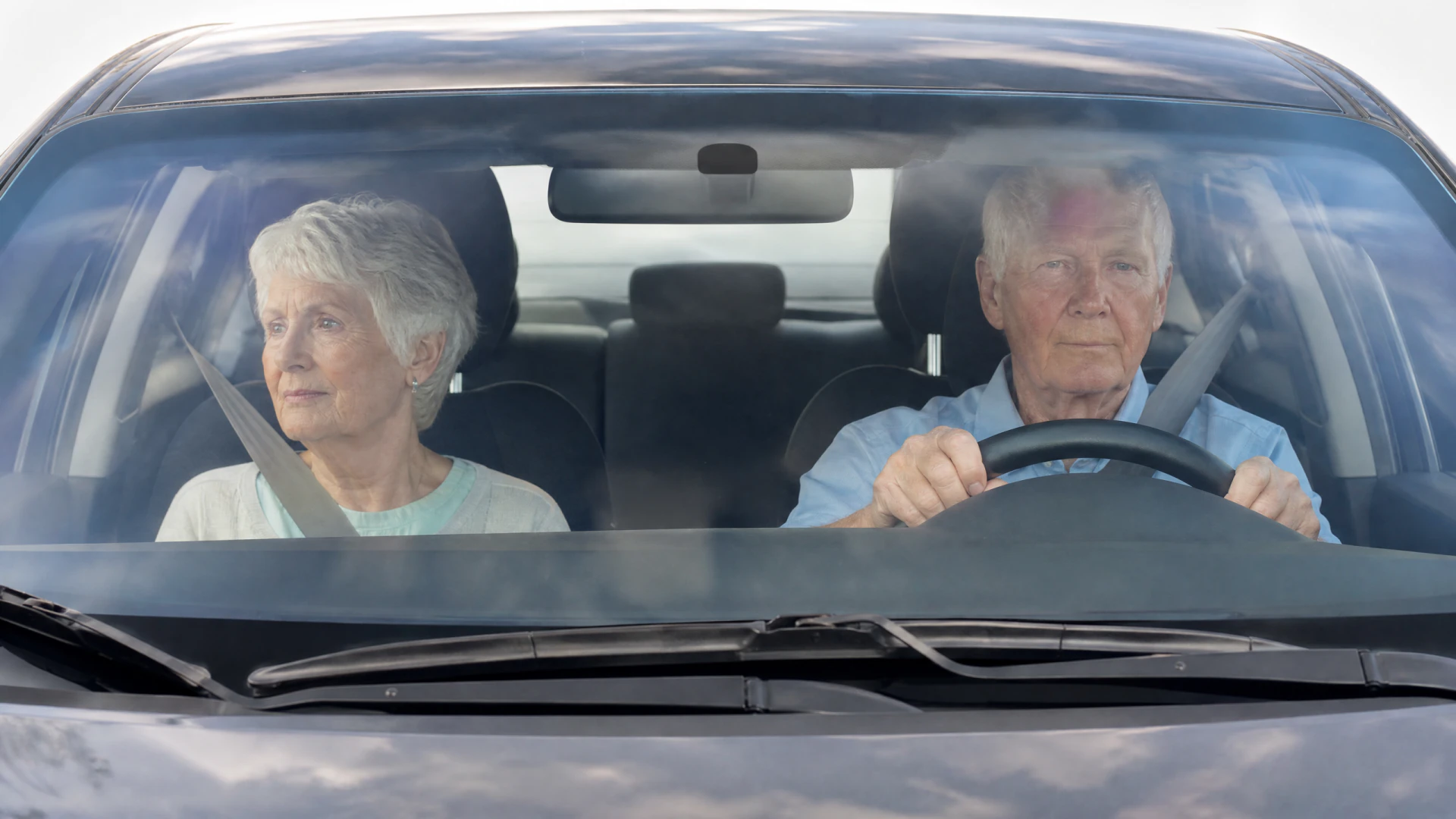
Your age doesn't change how the claim works
Vermont doesn't have a separate claims process for older drivers. Your accident gets reported, your insurer investigates, and fault gets assigned the same way it would for anyone else on the road.
What can be different is how the insurer evaluates the claim afterward, especially if they start looking closely at your driving record or ask for a medical or vision update. That's not universal. It depends on your insurer and sometimes on what happened in the accident itself.
Your driving record and history with the insurer
Insurers look at your record when deciding how to handle a claim and whether your rate changes afterward. A long clean record works in your favor regardless of your age. A recent accident or two close together gets more scrutiny, not because of how old you are but because of the pattern.
If you've had a minor incident recently, expect your insurer to ask more questions this time around. That's normal underwriting, not an age-related rule.
If you're unsure what's on your record, ask your insurer or check your state driving record before you file. Knowing what they already see helps you understand how they'll treat the new claim.
Some insurers also offer a safe driver discount or accident forgiveness that can matter here. Ask your agent whether either applies to your policy before assuming your rate will rise.
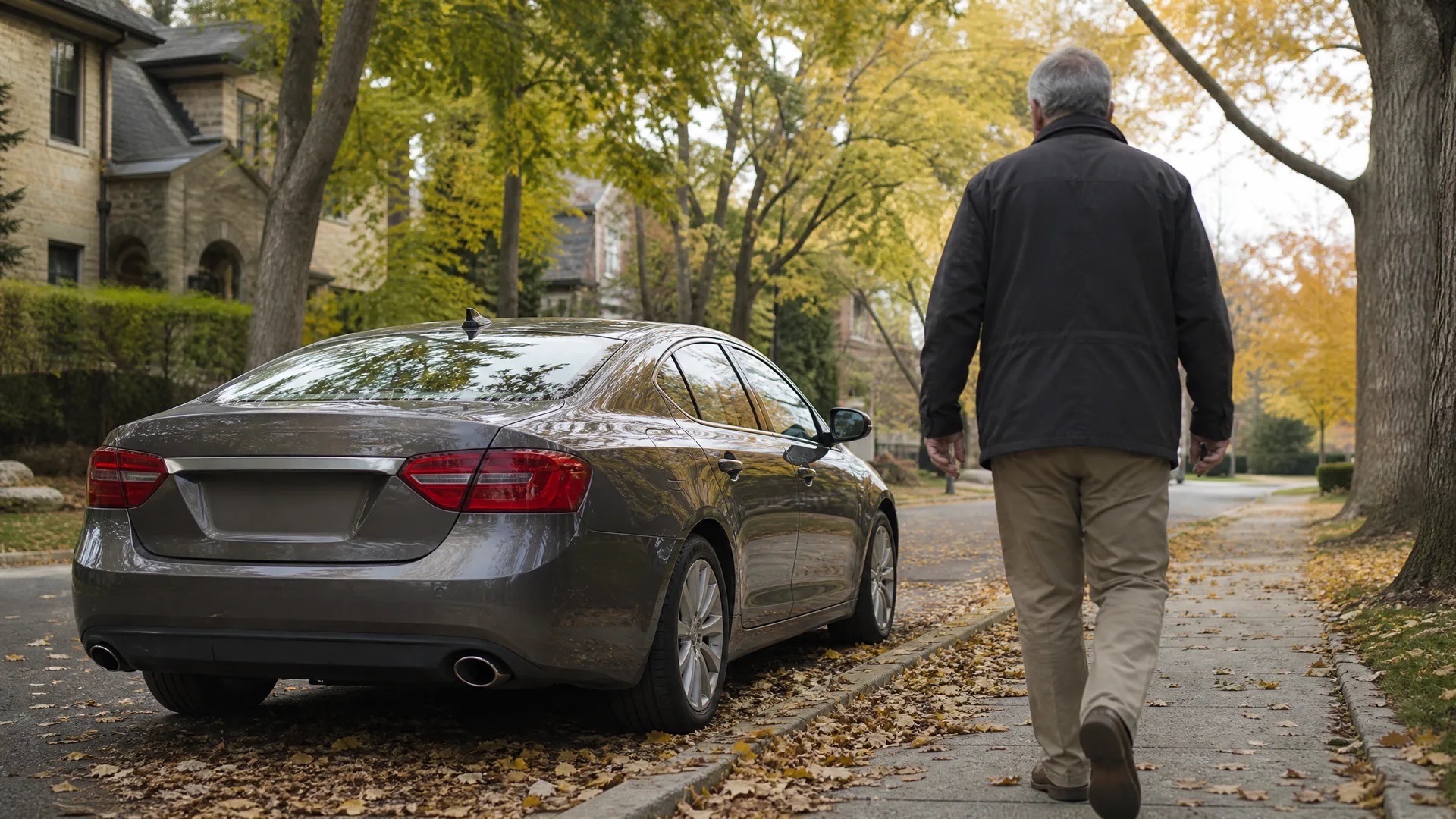
How you report the accident matters more than people expect
What you say and don't say in the first report shapes the whole claim. Write down what you remember as soon as you can: where you were, what the other driver did, what the road and weather looked like. Memory fades fast after a stressful event, at any age.
If the police came to the scene, get the report number. If they didn't, you can still file a report with Vermont's DMV depending on the damage and circumstances, so check what your local police department or the DMV requires.
Get the other driver's insurance information and a few photos if you're able. These details support your version of events later, when the insurer is deciding who was at fault.
If the other driver or their insurer disputes what happened, your own notes and photos from that day carry more weight than anything you try to reconstruct weeks later.
Questions people ask about this
Will my insurance rate go up after a car accident in Vermont?
It depends on who was found at fault and what's in your policy. If you were at fault, your rate may rise at renewal unless you have accident forgiveness or a similar protection. Ask your insurer directly how this specific accident will be treated.
Do I need a lawyer for a car accident claim in Vermont?
Not always. For a straightforward claim with clear fault and no serious injury, many people handle it directly with the insurer. If there's a dispute over fault, a serious injury, or the insurer is denying part of the claim, a lawyer who handles Vermont accident cases can help you understand your options.
What if the other driver doesn't have insurance?
Check whether your own policy includes uninsured motorist coverage, since Vermont requires insurers to offer it. If you have it, you can file a claim through your own insurer even though the other driver was at fault.
Can my license be affected after an accident in Vermont?
A single accident usually doesn't affect your license on its own. The DMV looks at patterns of violations or accidents over time, and the standards are set by the state. If you're concerned about your specific record, the Vermont DMV can tell you where you stand.
Should I report a minor fender bender to my insurer at all?
Report it even if the damage looks small. Some damage isn't obvious right away, and the other driver may file a claim later. Having your own report on file protects you if that happens.
See how other insurers might handle a claim like yours before your renewal comes due.
Pull your driving record from the Vermont DMV so you know exactly what your insurer will see. Write down everything you remember about the accident while it's still fresh, including time, location, and what each driver did. Get a copy of the police report if one was filed, or ask your local department what's needed to file one now. Call your insurer to report the claim and ask directly how it's likely to affect your rate at renewal. If your policy includes accident forgiveness, confirm whether it applies here before assuming your premium will change. If anything about fault or coverage is disputed, ask your insurer what your options are before agreeing to anything.
Senior car insurance in Vermont: rates, discounts and what the state requires