Car Insurance Deductibles When You Rarely Drive
A lower deductible can make more sense when you drive rarely, but it depends on what you'd pay out of pocket if something happened.
Free to compare
It depends on how you weigh risk against your premium
Driving less doesn't change what a deductible does. It's still the amount you pay before your insurer covers a claim. What changes is how often you're likely to need that coverage at all.
Some drivers who rarely use their car choose a higher deductible because fewer miles usually means fewer chances to file a claim, and a higher deductible lowers the premium. Others choose a lower deductible because a car that sits more also sits exposed to things that have nothing to do with how much you drive, like weather, theft, or someone hitting it while it's parked. Your insurer can tell you exactly how your deductible choice changes your premium for your policy.
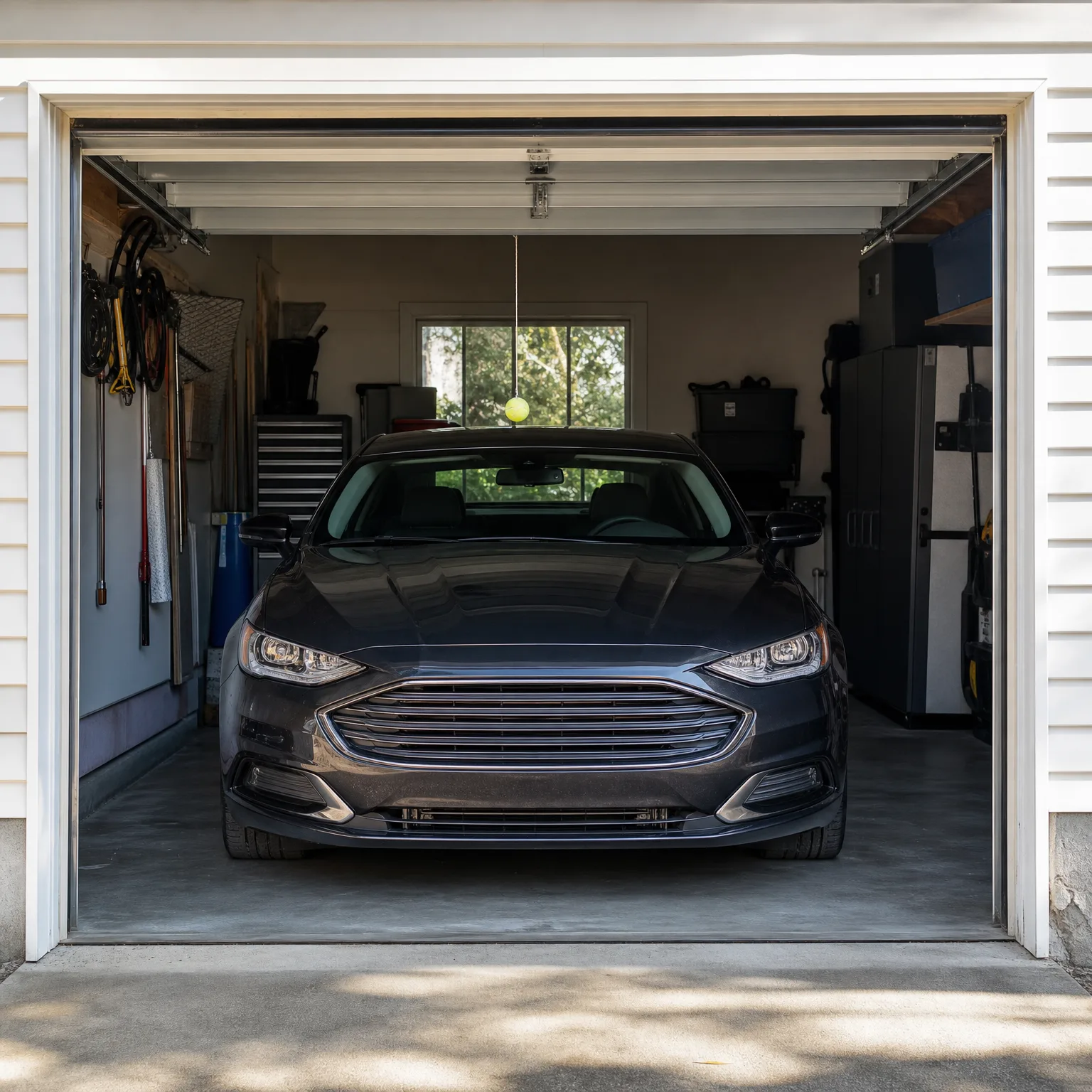
What the car is parked near matters more than the odometer
A car driven rarely isn't a car at no risk. If it sits outside, in a driveway, or on a street, it's still exposed to hail, falling branches, break-ins, and other cars. These are comprehensive claims, not the kind that come from driving, and they happen to parked cars every day.
If you garage the car most of the time, that lowers the odds of this kind of claim, and some insurers ask about that when you apply or renew. It's worth telling yours if your situation changed.
A higher deductible on comprehensive coverage can make sense if you've checked what you could cover yourself without strain. If a tree branch or a break-in would be a real financial problem, a lower deductible there protects you even though you barely drive.
Ask your insurer whether your deductible applies the same way to comprehensive and collision claims. On many policies they're set separately, and that matters more for a car that mostly sits still.
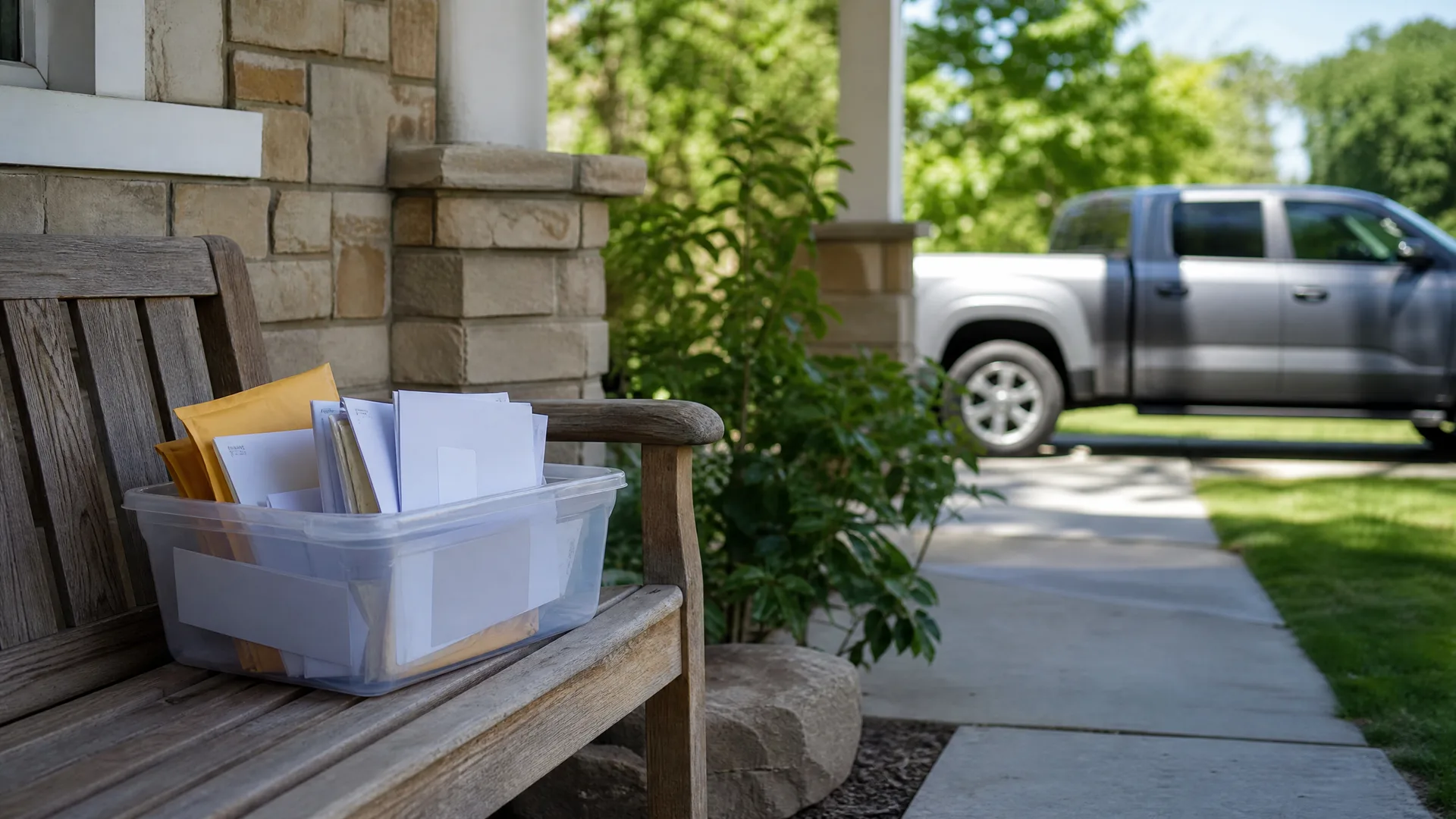
What you'd actually pay if something happened
The right deductible is less about how often you drive and more about what you could pay without trouble if a claim came up tomorrow. A rarely driven car lowers the odds of needing to answer that question, but it doesn't make the question disappear.
If you have savings set aside for exactly this kind of thing, a higher deductible usually means a lower premium, and you're not paying for protection you're unlikely to use. If a repair bill would be hard to cover right now, a lower deductible is worth the higher premium, no matter how little you drive.
Some drivers who use their car rarely also carry it at a lower annual mileage estimate with their insurer. If that's accurate, it's worth mentioning, since it can affect the premium independent of the deductible itself. Ask your insurer how your mileage estimate factors into your current rate.
Questions people ask about this
Should I drop collision coverage if I rarely drive my car?
That depends on what the car is worth and whether you could replace it without the coverage. A car driven rarely can still be totaled in a single accident, so the decision usually comes down to the car's value compared to what you'd pay in premiums over time, not how often it's on the road. Ask your insurer for the car's current value on your policy before deciding.
Does low mileage lower my insurance premium?
It can, since many insurers factor in how much you drive when setting a premium. The effect varies by insurer, so it's worth asking yours directly whether they offer a lower rate for low annual mileage and what proof they need, like an odometer reading.
Is it worth insuring a car I barely drive at all?
Most states require continuous coverage on a registered vehicle, even one that rarely leaves the driveway. If you're considering letting insurance lapse, ask your state's DMV what the rules are for a registered but unused car, since driving it even once without coverage can create bigger problems than the premium you're trying to avoid.
What happens if I'm in an accident with a high deductible and rarely drive?
You'd owe the deductible amount before your insurer pays the rest, the same as any other claim. Driving rarely doesn't change what you owe when something happens, so the deductible should reflect what you could pay out of pocket on short notice, not how often you expect to need it.
Can I change my deductible without driving my car more or less?
Yes. Your deductible is a choice you make on your policy, separate from how much you drive. You can usually ask your insurer to raise or lower it at any point, not just at renewal, and see how it changes your premium before deciding.
See how your deductible choice changes what you'd pay, based on how you actually use your car.
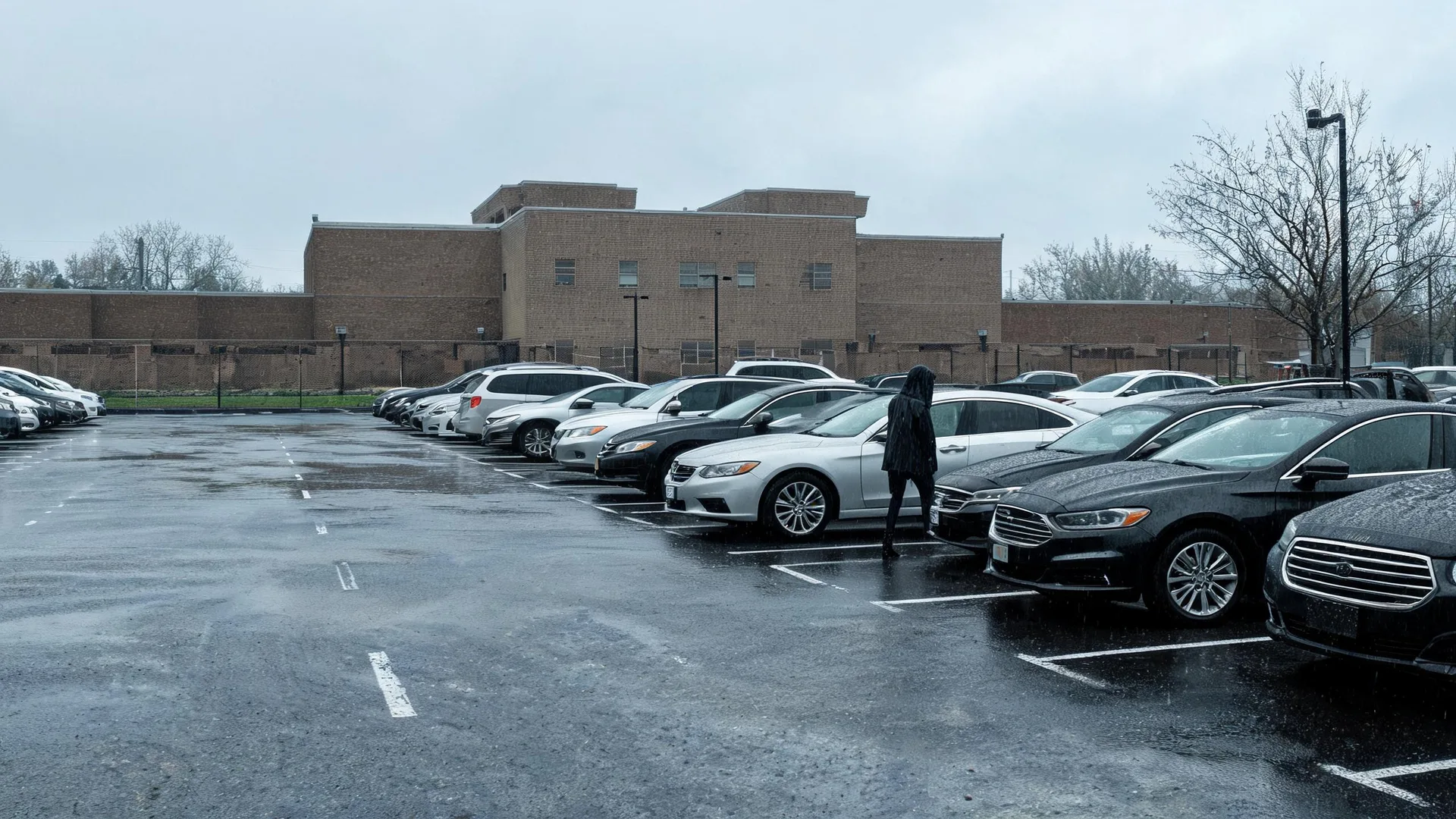
Pull out your current policy and look at the deductible listed for comprehensive and collision coverage separately. Call your insurer and ask how each deductible choice affects your premium, and whether you qualify for any adjustment based on low annual mileage. If the car is garaged, mention that too, since it isn't always factored in automatically. Have a rough idea of what you could pay out of pocket without strain, since that number should guide the deductible more than how often you drive. If you're not sure your current policy fits how little you're on the road, this is a good week to compare a few quotes and see what changes.