Car Insurance Senior Discounts Most People Forget to Ask For
The discounts most seniors miss are not secret, they just require you to tell your insurer something it doesn't already know.
Free to compare
Most missed discounts require you to report something, not just qualify for it
Insurers don't automatically know you finished a defensive driving course, drive fewer miles than you used to, or that a car in the household is barely used. They find out when you tell them, usually with a form or a certificate, and until you send it the discount doesn't apply.
That's why these are the ones people forget. It isn't that the discount doesn't exist for them. It's that qualifying for it and getting it applied are two different steps, and the second one is on the policyholder.
The completion certificate is the one most people never send
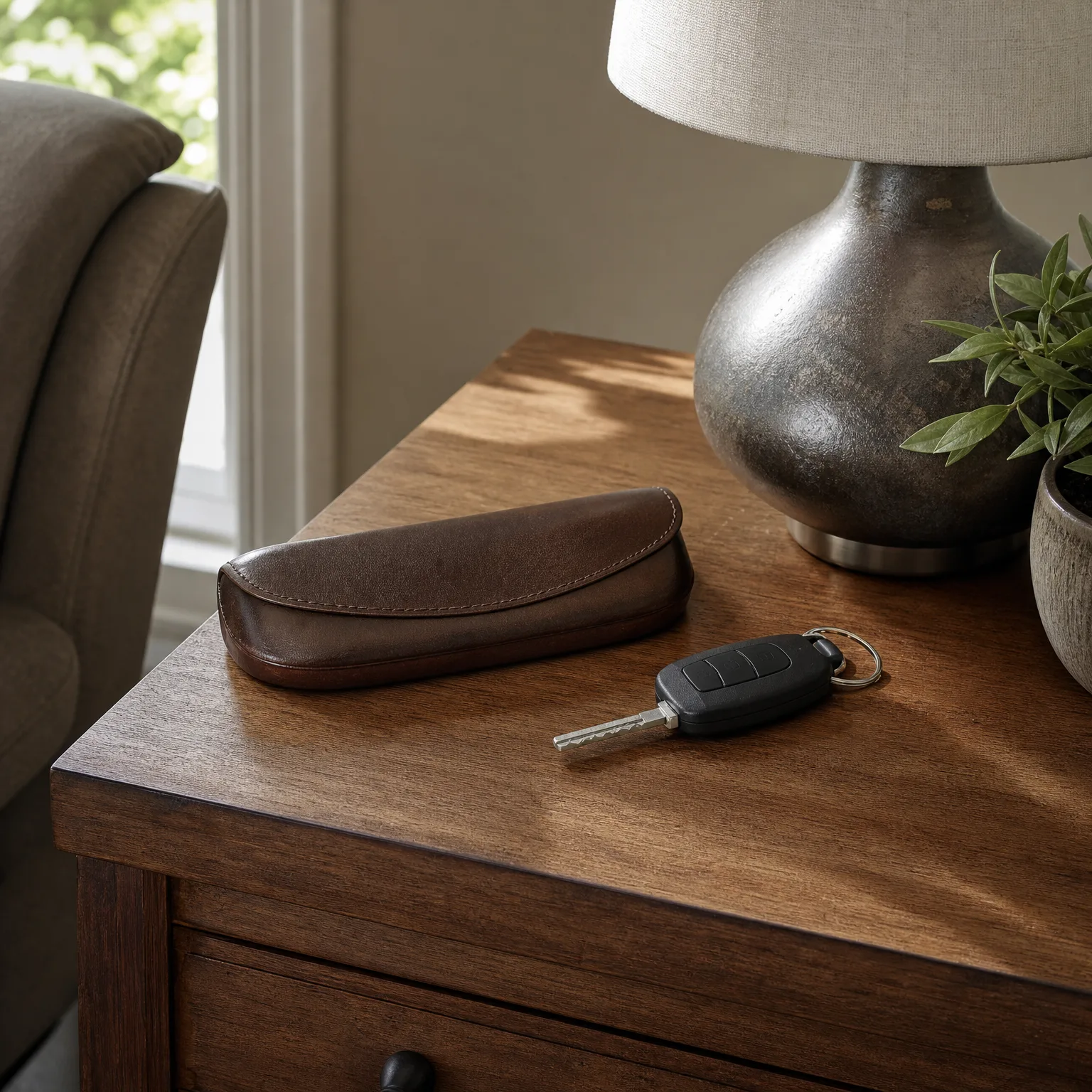
A lot of insurers lower your premium if you complete an approved defensive driving or mature driver course. The course itself doesn't do anything. Your insurer has to receive proof you finished it, usually a certificate with a completion date, before they'll apply the discount to your policy.
People take the course, file the certificate in a drawer, and assume the discount shows up on its own. It doesn't. If you took one of these courses in the past year or two and never called your insurer about it, it's worth checking whether that discount ever got added.
Which courses count, and whether the discount applies once or needs to be renewed periodically, depends on the insurer and sometimes on the state. Ask your agent which courses they accept and how often you need to retake one to keep the discount active.
Mileage and vehicle use discounts depend on what you report, and when
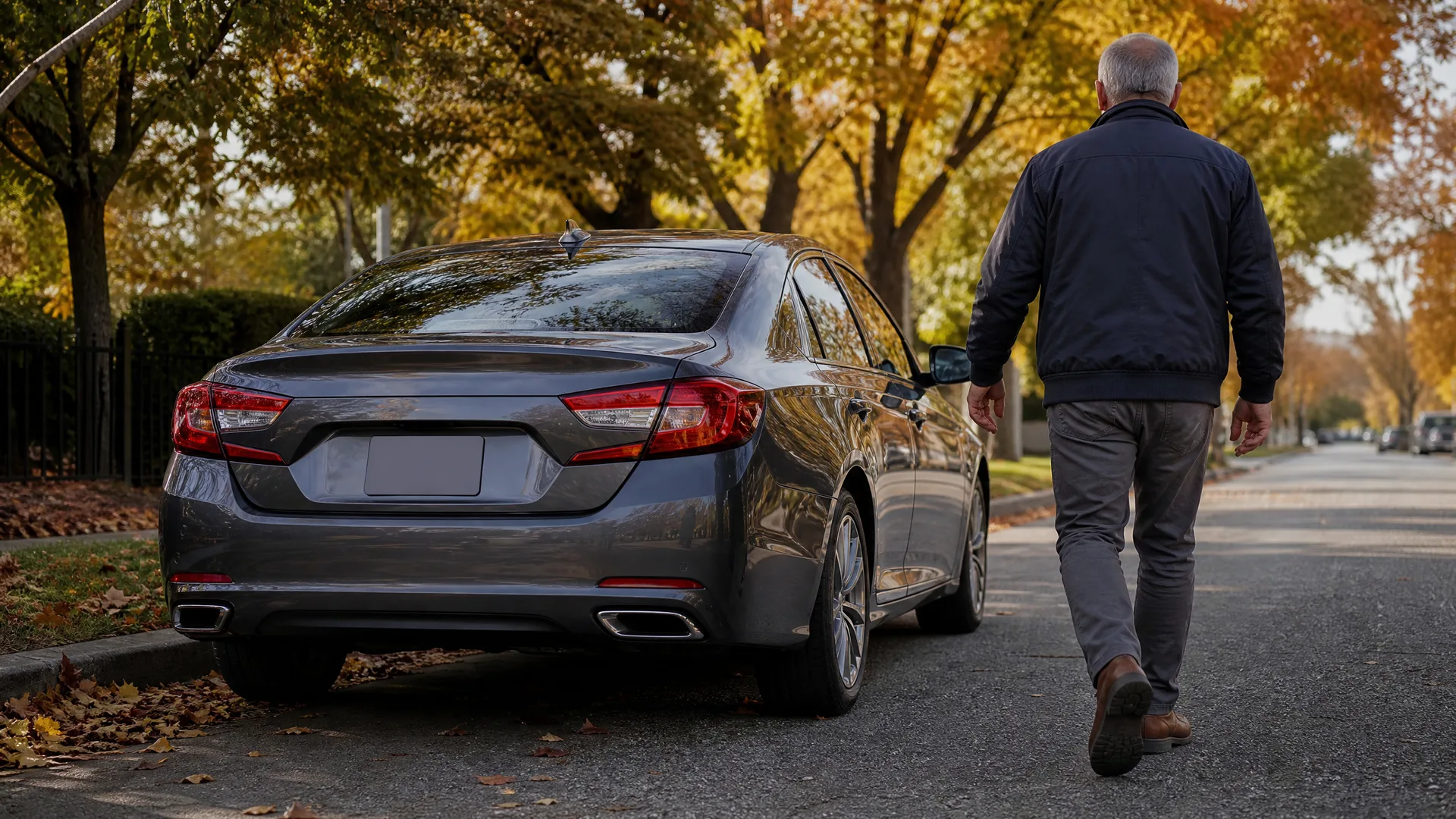
If you're driving less than you used to, whether that's because you retired, stopped commuting, or just don't go out as much, your insurer may not know that unless you tell them. Some offer a lower rate for low annual mileage, but it's based on an estimate you give them when you ask, not on your actual driving unless you're enrolled in a usage tracking program.
The same goes for a car that mostly sits in the garage. If a second vehicle in the household is driven rarely, ask whether it can be rated differently than a car used for daily errands.
The trap here runs the other way too. If you report fewer miles than you actually drive, that can cause problems later if you file a claim. Give your insurer a number you can stand behind, not just the lowest one that might save money.
Questions people ask about this
Does bundling home and auto insurance help more as you get older?
Bundling can lower your combined cost, but the discount itself isn't tied to age. It's worth asking about regardless of how old you are, since the savings come from having both policies with the same insurer, not from any senior-specific rate.
Will my rate go up automatically once I hit a certain age?
Some insurers do adjust rates based on age brackets, but this varies by company and by state, since states regulate what factors insurers can use. Ask your insurer directly whether your age affects your premium and at what points it's reassessed.
Can I lose a senior discount if my driving record changes?
Yes, a ticket or an at-fault accident can affect your overall rate and may affect eligibility for certain discounts, including safe driver discounts stacked alongside a senior one. Ask your insurer how a specific violation would affect the discounts you currently have.
Do I need to retake a driving course to keep the discount?
Many insurers require you to retake an approved course periodically to keep the discount active, since the certificate is treated as valid for a set period rather than permanently. Check with your insurer how often they require renewal and which courses qualify.
Should I switch insurers if mine doesn't offer senior discounts?
It depends on how much the discount would actually save you compared to your current overall rate, since a lower base rate elsewhere can matter more than a discount on a higher one. Compare the total premium, not just whether a specific discount exists.
See which insurers actually apply these discounts before you commit to one.
Pull together anything that proves a change in your situation: a course completion certificate, a note of your current annual mileage, or details on a car that's driven rarely. Call your current insurer first and ask them to walk through every discount you qualify for, since some require a request rather than applying automatically. Ask specifically what proof they need and how long each discount lasts before it needs to be renewed. Then compare that adjusted rate against quotes from other insurers, since a discount is only worth something if the underlying premium is competitive. Keep copies of anything you submit, in case a discount doesn't appear on your next bill.