Collision Coverage on a Convertible
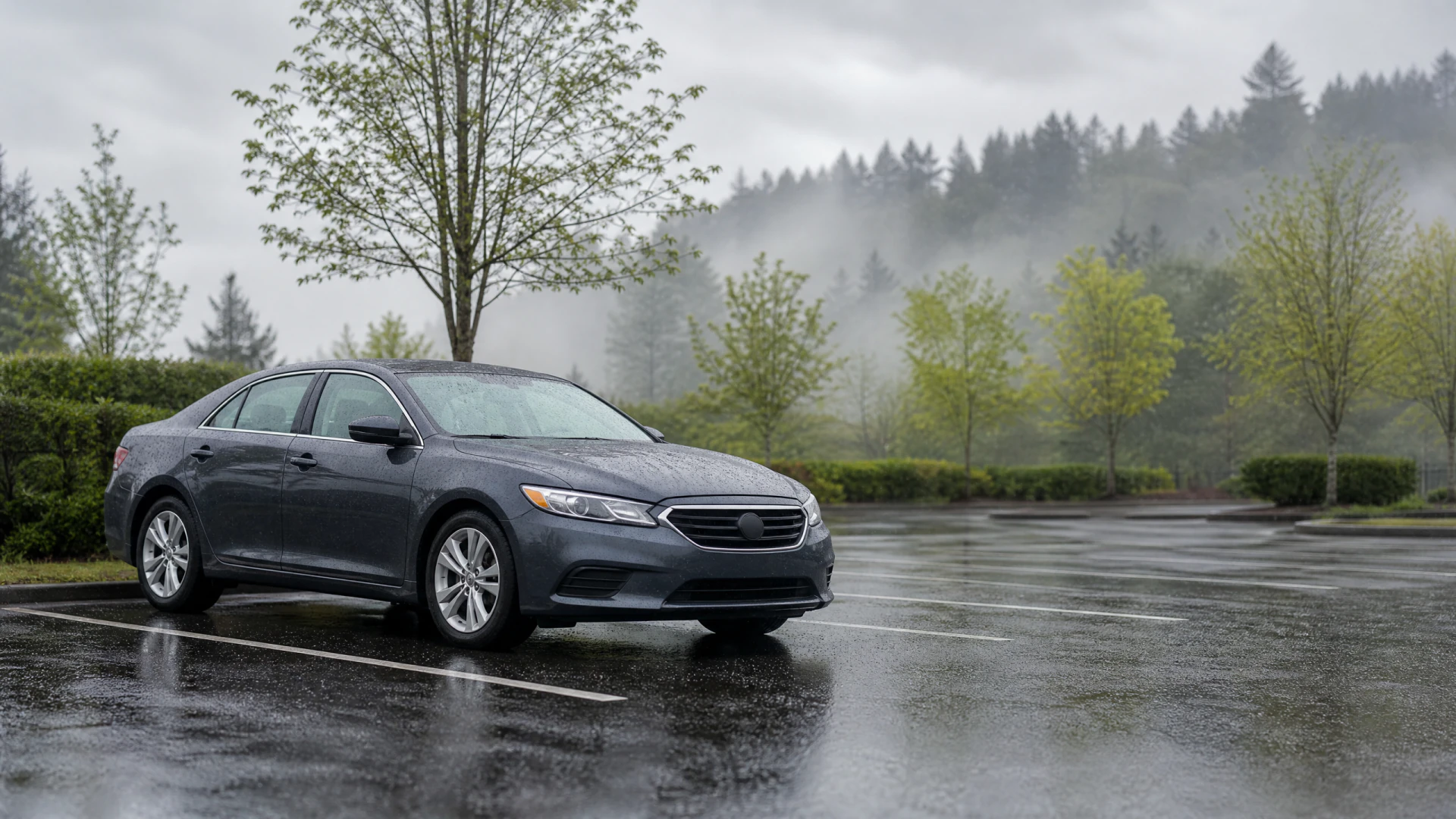
Collision coverage pays to repair or replace your convertible after an at-fault accident, but what you pay for that coverage depends on the car itself.
Free to compare
Yes, and it usually costs more than on a comparable hardtop
Collision coverage on a convertible works exactly like it does on any other car. If you cause an accident, or you're in a single-car accident like hitting a guardrail, it pays to repair or replace your car up to its actual cash value, minus your deductible.
What changes is the cost of that coverage. Convertibles often have higher repair costs because of the folding roof mechanism, the specialized glass, and the fact that fewer shops are equipped to work on them. Some models are also more expensive to replace outright. Your insurer sets the premium based on what your specific car costs to fix or replace, not on the fact that it's a convertible in general.
The roof is the expensive part
A convertible's soft top or retractable hardtop is mechanically complex, and that complexity shows up in collision claims. A fender bender that would mean a quick bumper replacement on a sedan can mean a damaged roof motor, torn fabric, or misaligned tracking on a convertible.
Parts for the roof system often have to come from the manufacturer rather than an aftermarket supplier, and labor takes longer because fewer technicians are trained on it. All of that raises the average claim cost, and your insurer prices collision coverage against that average for your make and model.
If you're comparing convertibles before you buy, ask what the roof repair history looks like for that specific model. Some retractable hardtops have a reputation for expensive repairs, and that reputation follows the car into your quote.
If you already own the convertible, there's not much to do about this factor directly. It's built into the car. The next factor is where you actually have some control.
Your deductible and the car's value together decide what you're paying for
Collision coverage only pays out up to your car's actual cash value. If your convertible is older or has higher mileage, that value may be close to what you'd pay in a few years of premiums and deductibles combined. It's worth checking your car's current value against your premium at each renewal.
Raising your deductible lowers your premium, and it's one of the only levers you control directly. The tradeoff is that you need to be able to cover that deductible out of pocket if you do have a claim. On a car with expensive parts, a higher deductible can meaningfully reduce what the insurer has to pay out, which is reflected in the price.
If you store the convertible seasonally or drive it far less than a daily car, ask your insurer whether that's reflected in how they've priced the policy. Mileage and usage affect collision risk, and some insurers adjust for it, though this varies by company.
Questions people ask about this
Does collision coverage cost more for a convertible than an SUV?
It depends on the specific models being compared, not on body style alone. A convertible's cost usually comes from roof repair complexity and parts availability, while an SUV's cost comes from its own factors like size and repair parts. Compare actual quotes for the specific vehicles rather than assuming one body style is always cheaper.
Is comprehensive coverage different for a convertible roof?
Comprehensive coverage handles damage that isn't from a collision, such as a roof slashed by vandalism or damaged by a falling branch. Collision coverage only applies when the damage comes from hitting something or being hit. If you're worried about roof damage from causes other than an accident, that's a comprehensive question, and it's worth asking your insurer how they classify specific scenarios.
Do I need collision coverage on an older convertible?
That depends on what the car is worth and whether you could afford to replace it without insurance. If the car's value has dropped close to what you'd pay in premiums and deductible over time, some owners choose to drop collision and carry the risk themselves. Check your car's actual cash value before deciding, and ask your insurer what dropping the coverage would save.
Will a hardtop convertible cost less to insure than a soft top?
It depends on the specific model and the repair costs associated with each roof type, not on the hardtop or soft top distinction by itself. Retractable hardtops have their own mechanical complexity that can offset any savings. Ask for quotes on the specific models you're considering rather than assuming one type is cheaper across the board.
Does a convertible count as a high-risk vehicle for insurance?
There's no single category that labels all convertibles high risk. Insurers price each vehicle based on its own claims history, repair costs, and theft rates. Some convertibles cost more to insure and some don't, so it comes down to the specific make and model rather than the body style.
See how your convertible's make and model affect what collision coverage actually costs.
Pull up your current policy and find your collision premium and deductible. Look up your convertible's current actual cash value using a source like your insurer's valuation tool or a trusted pricing guide, and compare that number to what you're paying each year. If you're shopping for a convertible, ask about roof repair costs and parts availability for the specific model before you buy, since that's what drives the price more than the fact that it's a convertible. When you're ready, get quotes from a few insurers so you can compare how each one prices your specific car rather than relying on general assumptions about convertibles.