
Collision Coverage on a Paid Off Car
Once the loan is gone, carrying collision coverage is your choice, and the right answer depends on what the car is worth.
Free to compare
It becomes optional, not required
A lender requires collision coverage because the car is collateral for the loan. Once you own the car outright, no one requires you to carry it. Your state only requires liability coverage, which pays for damage you cause to someone else.
Whether you should keep collision coverage is a separate question from whether you have to. It depends mostly on what the car is worth and what you could afford to replace if it were totaled or badly damaged.
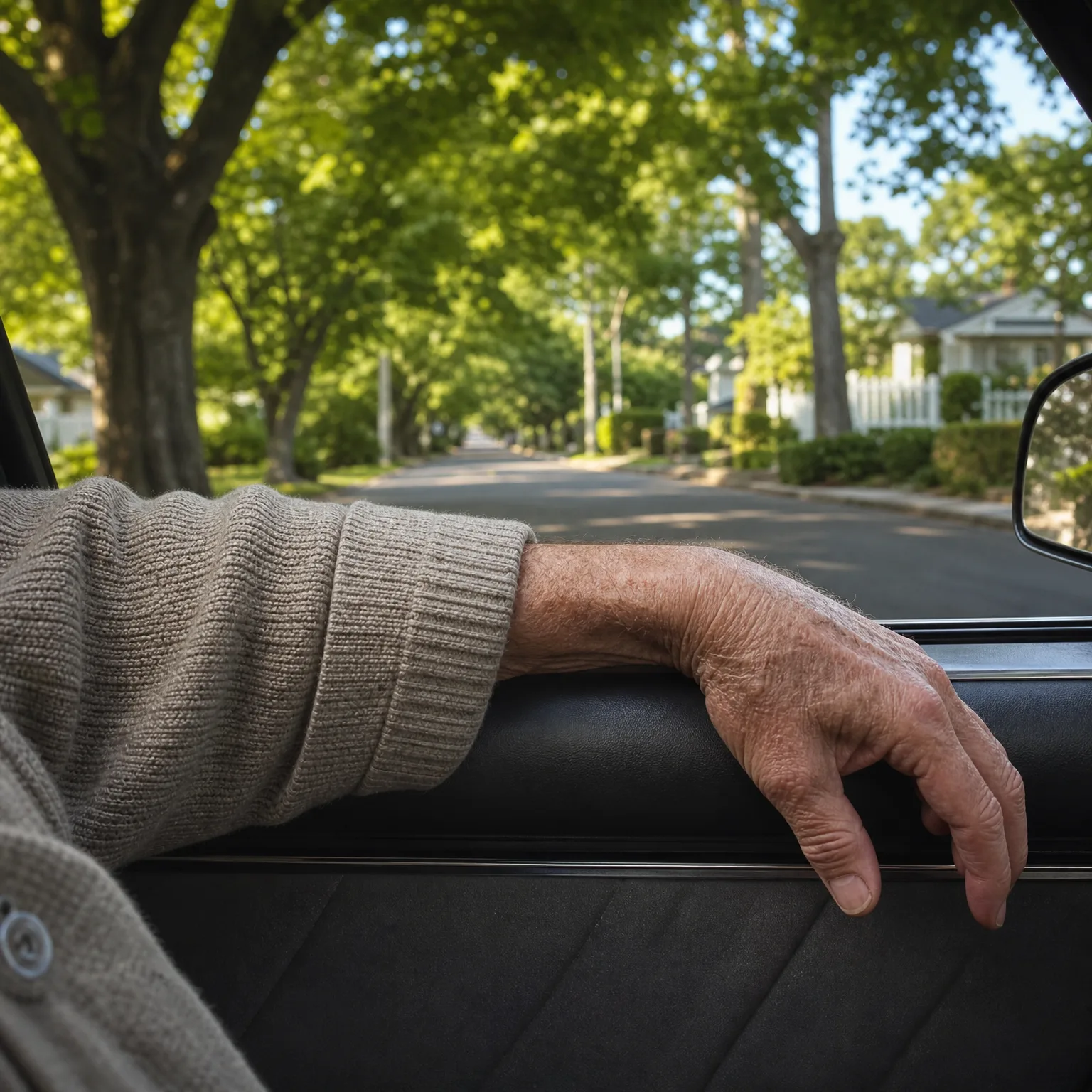
What the car is worth now
Collision coverage pays out based on your car's current value, not what you paid for it or what it would cost to replace with something similar. If the car is older, that payout could be modest.
A simple way to think about it: compare what you'd likely receive in a claim against what you pay in premium over a year. If the premium is a large share of the payout, the coverage is doing less for you than it used to.
Some drivers check their car's current value through a dealer appraisal or an online valuation tool before deciding. That number, more than the car's age alone, tells you what collision coverage would actually be worth in a claim.
If you could cover repairs or a replacement yourself without serious strain, dropping collision coverage saves you the premium every year with little downside. If you couldn't, keeping it protects you from a cost you can't absorb.
What you'd do without it
If you drop collision coverage and the car is totaled in an accident you caused, you pay for a replacement yourself. Liability coverage won't help you there. It only pays for damage to the other driver.
Think about how you'd handle that. Some drivers have savings set aside for exactly this. Others would need to finance a replacement, which puts them back in a position where a lender might require coverage again anyway.
It also matters how you use the car. If it's a second car you could go without for a while, or one you wouldn't rush to replace, the risk of going without collision coverage is smaller than if it's the car you depend on every day.
There's no rule that says drop it at a certain age or after a certain number of years. It comes down to your own finances and how much the car matters to your daily life.
Questions people ask about this
Should I drop comprehensive coverage too when I pay off my car?
That's a separate decision from collision coverage. Comprehensive covers theft, weather damage, and things like a cracked windshield or an animal strike, and it's often cheaper than collision. Many drivers keep comprehensive even after dropping collision because the premium is lower relative to what it covers. Check what each coverage costs separately on your policy before deciding.
Will my insurance rate go down if I drop collision coverage?
Yes, your premium should drop because you're removing one piece of coverage, but how much depends on your insurer and your car. Ask your insurer for a quote with and without collision coverage so you can see the exact difference rather than guessing at it.
Can I add collision coverage back later if I change my mind?
In most cases yes, you can add it back at your next renewal or sometimes sooner by contacting your insurer directly. There may be a short gap before it takes effect, so ask your insurer how it works before you're relying on it. Rules on this vary by insurer, so confirm directly rather than assuming.
Does dropping collision coverage affect my liability coverage?
No, liability coverage stands on its own and isn't affected by whether you carry collision coverage. Liability is what your state requires and it pays for damage you cause to others, regardless of what you choose for your own car.
What happens to collision coverage if I still owe a little on the car?
If you still have a loan, your lender's contract likely still requires collision coverage until the loan is fully paid off. Check your loan agreement or ask your lender directly, since dropping it while you still owe money could violate the loan terms.
See what your premium looks like with and without collision coverage before you decide.
Pull up your current policy and find the line for collision coverage so you know what you're paying for it now. Get your car's current value from a dealer or an online valuation tool, since that number drives the whole decision. Call your insurer and ask for a quote both with and without collision coverage so you can compare the real difference in your premium. If you still owe anything on the car, check your loan agreement first, since your lender may still require it. Once you have the value and the premium side by side, you'll have what you need to decide, rather than guessing.