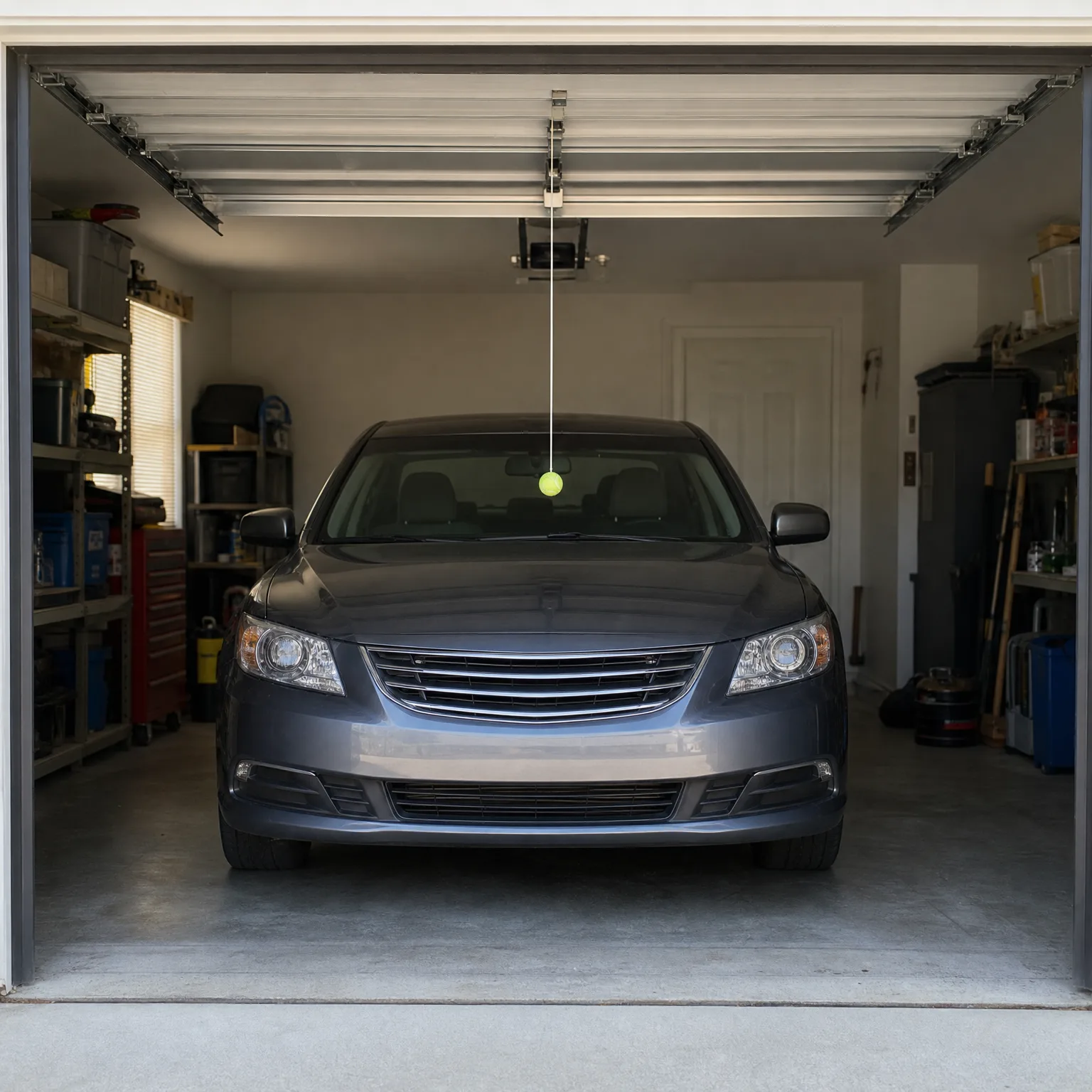
Collision Coverage on an Electric Car
Collision coverage applies to an electric car the same way it does to any other, but the cost behind it often runs higher because of how electric cars get repaired.
Free to compare
Yes, and it works the same way it does on any car
Collision coverage pays to repair or replace your car after an accident, no matter what kind of car it is. An electric car doesn't need a special version of this coverage, and your insurer doesn't treat the coverage itself any differently.
What does differ is the price you pay for it. Electric cars tend to cost more to repair, partly because of the battery and partly because fewer shops are set up to work on them. That difference shows up in your premium, not in what the coverage does.
The battery is what changes the math
Most of the cost difference comes down to the battery pack. It's expensive to replace, and after some collisions, even a moderate one, an insurer may find it cheaper to total the car than to repair it. That changes how your insurer prices the coverage from the start.
It also changes what happens after a claim. Ask your insurer how they handle battery damage specifically, including whether a damaged battery gets repaired, replaced, or used to total the car. Some insurers have clear answers to this. Others will tell you it depends on the damage and the shop's assessment.
If you're comparing insurers, ask each one the same question and compare the answers directly. The way they describe their process tells you almost as much as the quote itself.
Where you can get it repaired matters
Not every body shop works on electric cars. Some repairs need a shop with specific training or equipment, and if your insurer's network is thin where you live, that can mean a longer repair time or a longer rental car bill while you wait.
Ask your insurer whether they have shops in their network near you that are certified for your make. If they don't, ask how they handle repairs outside the network, since that can affect both your wait and your out-of-pocket cost.
This varies a lot by where you live. Someone in a city with several certified shops will have a different experience than someone in a rural area with one shop an hour away. It's worth asking before you need the coverage, not after.
Questions people ask about this
Does collision coverage cover battery damage on an electric car?
Yes, collision coverage covers battery damage caused by an accident, the same as it covers any other part of the car. Whether the battery gets repaired or replaced depends on the extent of the damage and your insurer's assessment. Ask your insurer directly how they evaluate battery damage, since the process isn't the same everywhere.
Is comprehensive coverage more important than collision for an electric car?
Comprehensive and collision cover different things, and an electric car doesn't change that split. Comprehensive covers damage from events other than a collision, like fire, theft, or falling objects. Collision covers accidents. Most lenders and leases require both, so the choice usually isn't either or.
Why is full coverage more expensive on an electric car?
Full coverage tends to cost more on an electric car mainly because repairs cost more. Parts, labor, and specialized shops all add to the price an insurer expects to pay if you file a claim, and that expectation shapes your premium. The exact difference depends on your specific car and your insurer.
Does charging equipment damage get covered under collision coverage?
Collision coverage applies to your car, not to a home charging station or other equipment. Damage to a charger would typically fall under a different part of your policy, like homeowners insurance, or possibly a separate rider if your auto insurer offers one. Ask your insurer directly what covers your charging equipment.
Do electric cars need gap insurance more than gas cars?
Gap insurance matters most when a car's loan balance is higher than its value, which can happen with any car, electric or not. Because electric cars can lose value at a different rate than gas cars, it's worth checking your loan balance against your car's expected value and asking your insurer whether gap coverage makes sense for your situation.
See how collision coverage is priced for your specific car before you decide what to carry.
Pull up your current policy and find out exactly what you're paying for collision coverage right now. Call your insurer and ask how they handle battery damage and whether they have certified repair shops near you. If you don't like the answers, get a few quotes from other insurers and ask them the same questions, since the coverage is the same everywhere but the price and the process behind it aren't. Keep notes on what each insurer tells you about repair networks and claims handling, not just the price they quote. If you're financing or leasing the car, check your loan balance against the car's value while you're at it, since that affects whether gap coverage is worth adding.