Do Driving Trackers Lower Car Insurance for Seniors
A driving tracker can lower your premium, but only if your insurer offers that program and your actual driving supports a discount.
Free to compare
Yes, but the tracker has to find what it's looking for
A usage based or telematics program can lower your premium for a driver of any age, including someone older. The device or app tracks things like hard braking, speed, and time of day you drive, then your insurer uses that data to set your rate. If your driving looks safe by their standard, your rate can go down. If it doesn't, it can stay the same or go up, depending on the insurer's program.
This isn't guaranteed and it isn't automatic. Not every insurer offers a telematics program, and the ones that do weigh the data differently. Some only reward you, they won't raise your rate no matter what the tracker shows. Others adjust in both directions. You need to ask your insurer directly which kind of program they run before you sign up for one.
Which insurer you have decides whether this helps at all
The program only exists if your insurer built one. Some major insurers have run usage based programs for years and have them tuned for a range of driving styles. Others don't offer anything like it, and a few that do are aimed mostly at younger or higher risk drivers, so the discount structure may not reflect how an older, experienced driver actually drives.
Before you enroll in anything, ask your insurer two things. First, whether they offer a telematics or usage based program at all. Second, whether the program only rewards good driving or whether it can also raise your rate. That second answer matters more than anything else about the device itself.
If your insurer doesn't offer one, a tracker from a third party app won't lower your premium with them. Some independent apps exist that track driving and issue their own scores or rewards, but that's a separate thing from your actual insurance premium unless your insurer has a formal relationship with that program.
What the tracker actually measures matters more than your age
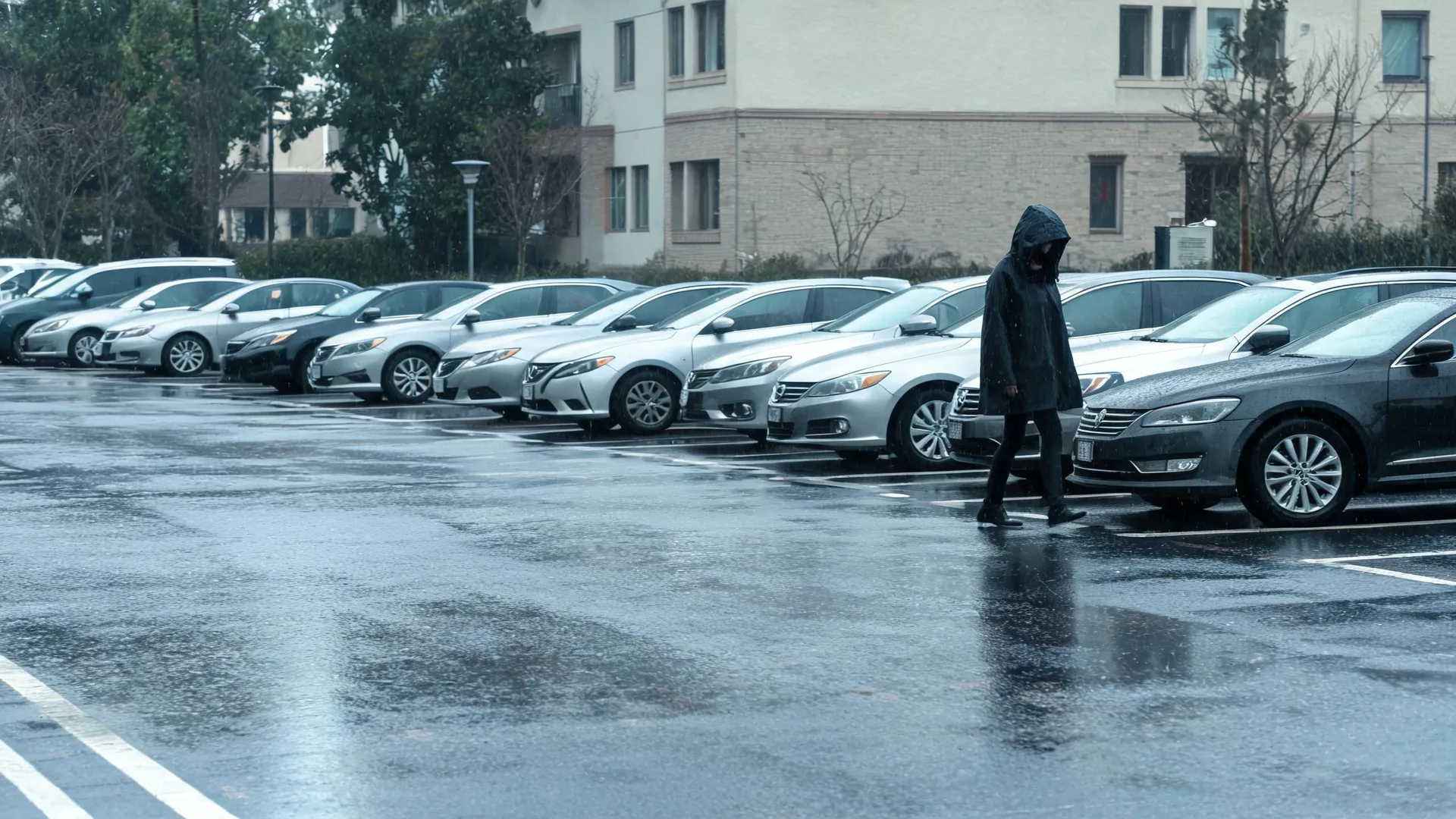
Telematics programs typically look at hard braking, sudden acceleration, speed relative to the limit, and what time of day you're on the road. None of these are measured against your age. They're measured against the driving itself. An older driver with smooth, consistent habits can score very well. An older driver who brakes hard often, or who drives frequently late at night, may not see much benefit even if their record is otherwise clean.
What trips people up is assuming the discount comes from just having the device installed or the app running. It doesn't. The discount comes from what the data shows over the tracking period, which is usually a matter of weeks or months. If you drive differently right after you enroll because you know you're being watched, and then go back to old habits once the discount locks in, some programs will catch that in a later renewal cycle and adjust your rate again.
Also ask whether the program affects your rate only going forward or whether it factors into future renewals automatically. Some programs reassess every renewal period, which means a bad stretch of driving months from now could show up on a future bill even after you've already gotten a discount once.
Questions people ask about this
Does a driving tracker report to the DMV?
No, a telematics or usage based program reports to your insurer, not to the DMV. The DMV handles your license and driving record separately. The two systems don't share this kind of data.
Can I use a driving tracker without my insurer knowing?
If you're using your insurer's own app or device for a discount program, they see the data by design, that's the point of the program. If you're using a separate, unrelated driving app just to track your own habits, your insurer won't see that data unless you choose to share it with them.
What happens if I stop using the tracker after I get the discount?
This depends entirely on your insurer's program. Some lock in the discount for a set period regardless of whether you keep the device active. Others require ongoing participation and will remove the discount if you stop. Ask your insurer directly how long the discount lasts and what ends it.
Will a driving tracker discount replace my senior driver discount?
No, these are usually separate discounts and many insurers let you stack them, but that depends on the insurer's own rules. Ask whether the two discounts can be applied together on your specific policy.
Do I need a smartphone to use a driving tracker?
It depends on the program. Some insurers use a plug in device that connects to your car directly and doesn't require a smartphone. Others run entirely through an app. Ask your insurer which type their program uses before you enroll.
If you want a policy that rewards the way you actually drive, it helps to see what different insurers offer side by side.
Call your current insurer and ask whether they run a usage based or telematics program, and specifically whether it can only lower your rate or whether it can raise it too. Ask how long the tracking period lasts before a discount applies, and whether the discount needs to be renewed or reviewed later. While you're on the phone, ask whether this discount can be combined with any senior or mature driver discount you already have. If your current insurer doesn't offer a program that fits how you drive, compare a few quotes from insurers that do, and ask each one the same questions before you decide.