Do I Need Insurance on a Car Parked in My Garage
If the car is registered, most states still require insurance on it whether or not it ever leaves the garage.
Free to compare
In most states, yes, as long as it's registered
The requirement to carry insurance is tied to registration, not to whether the car is driven. If your state has your car on record as registered and plated, you need to carry at least the minimum coverage your state requires, even if it sits in the garage all year.
The way around this is to cancel the registration, not the insurance. If a car is truly off the road, taken off plates, and not driven on public streets, most states let you drop both registration and insurance together. Check with your state's DMV or motor vehicle agency about what they call this status, since the process and the name for it vary by state.
What your state's DMV has on file for this car
The DMV doesn't know the car is parked. It knows whether the registration is active. If it's active, the state assumes the car could be on the road, and your insurer's records are often checked against that.
Some states run periodic checks that match registration records against insurance records. If a car shows up registered but uninsured, that can trigger a notice, a fine, or a suspended registration, regardless of whether the car has moved in months.
If you want to stop paying for insurance on a car that isn't being driven, the real step is to contact your DMV about putting the car into a non-operational or parked status. The terms and paperwork differ by state, so ask specifically what your state calls it and what proof they want.
Until that status is official, treat the registration as live and the insurance requirement as live along with it.
What a lapse in coverage can cost you later
Dropping insurance on a whim, without formally parking the car through your state, creates a gap in your coverage history. Insurers see that gap when you apply for a new policy, whether it's for this car or another one.
A lapse can mean a higher premium when you do get coverage again, since insurers often treat continuous coverage as a sign of lower risk. It can also mean losing any loyalty or claims free discount you'd built up.
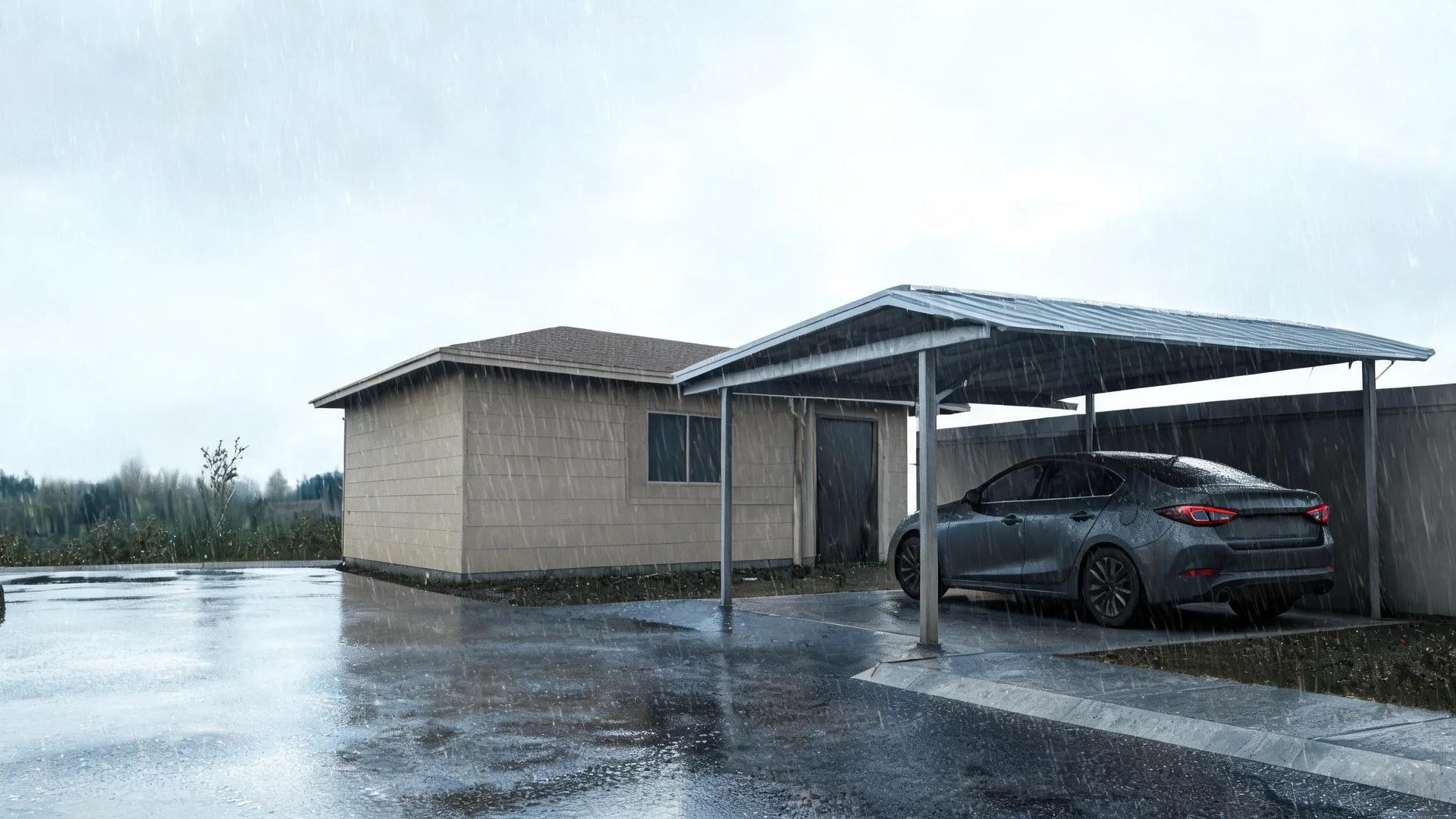
If the car is uninsured and something happens to it while parked, a falling tree, a break-in, a fire, you have nothing to file a claim against. Comprehensive coverage is what pays for that kind of damage, and it only works if the policy is active.
If the cost of covering a parked car is the real concern, ask your agent about a policy with only comprehensive coverage and no liability. It's sometimes cheaper and still protects the car itself.
Questions people ask about this
Can I just remove the car from my policy and keep it parked?
Not if it's still registered in your name. Removing it from your policy while the registration stays active leaves you out of compliance in most states. The registration and the insurance need to be dealt with together.
What is a non-operational or parked car status called in my state?
It goes by different names depending on the state, such as non-op status or a planned non-operation designation. Your state's DMV or motor vehicle agency can tell you the exact term and what's required to qualify.
Will my insurer know if the car never leaves the garage?
Insurers don't track mileage or location on their own. They rely on what you tell them and what the DMV's records show. If the registration is active, most insurers expect a policy to match it.
Does comprehensive-only coverage still protect a parked car?
Yes, in most cases. Comprehensive coverage pays for damage to the car itself from things like theft, fire, or weather, which are the risks a parked car actually faces. Ask your agent whether dropping liability and keeping comprehensive only is an option in your state.
What happens if I let the insurance lapse without telling the DMV?
Your state may flag the registration as uninsured, which can lead to a fine or a suspended registration. This happens separately from whether the car is ever driven, since the state is going by what's on record, not what's happening in your garage.
See what it would cost to keep this car covered, or to cover it differently while it's parked.
Start by checking your registration status with your state's DMV and asking what it takes to put the car into a parked or non-operational status if you don't plan to drive it. If you do want to keep it registered, call your agent and ask about a comprehensive only policy, since it often costs less than full coverage and still protects the car from damage while it sits. Keep any paperwork the DMV gives you about the car's status, since you may need it if you register the car again later. If you're helping a parent with this, check whether the policy and registration are both still in their name, since a policy can sometimes lapse without either of you noticing.