
Do Insurers Treat 65 as a Senior Driver
Insurers look at your driving record and your state's rules far more than they look at your birthday.
Free to compare
Turning 65 doesn't trigger a senior rate on its own
There is no industry rule that treats 65 as the start of senior pricing. Insurers set their own age brackets, and most of them care more about how you drive now than what birthday you just had.
What changes your premium at this stage of life is usually indirect. Fewer miles driven, a paid off car, a long clean record, these can lower your rate. A recent ticket or claim still raises it the same way it would at any age. The number itself isn't the trigger.
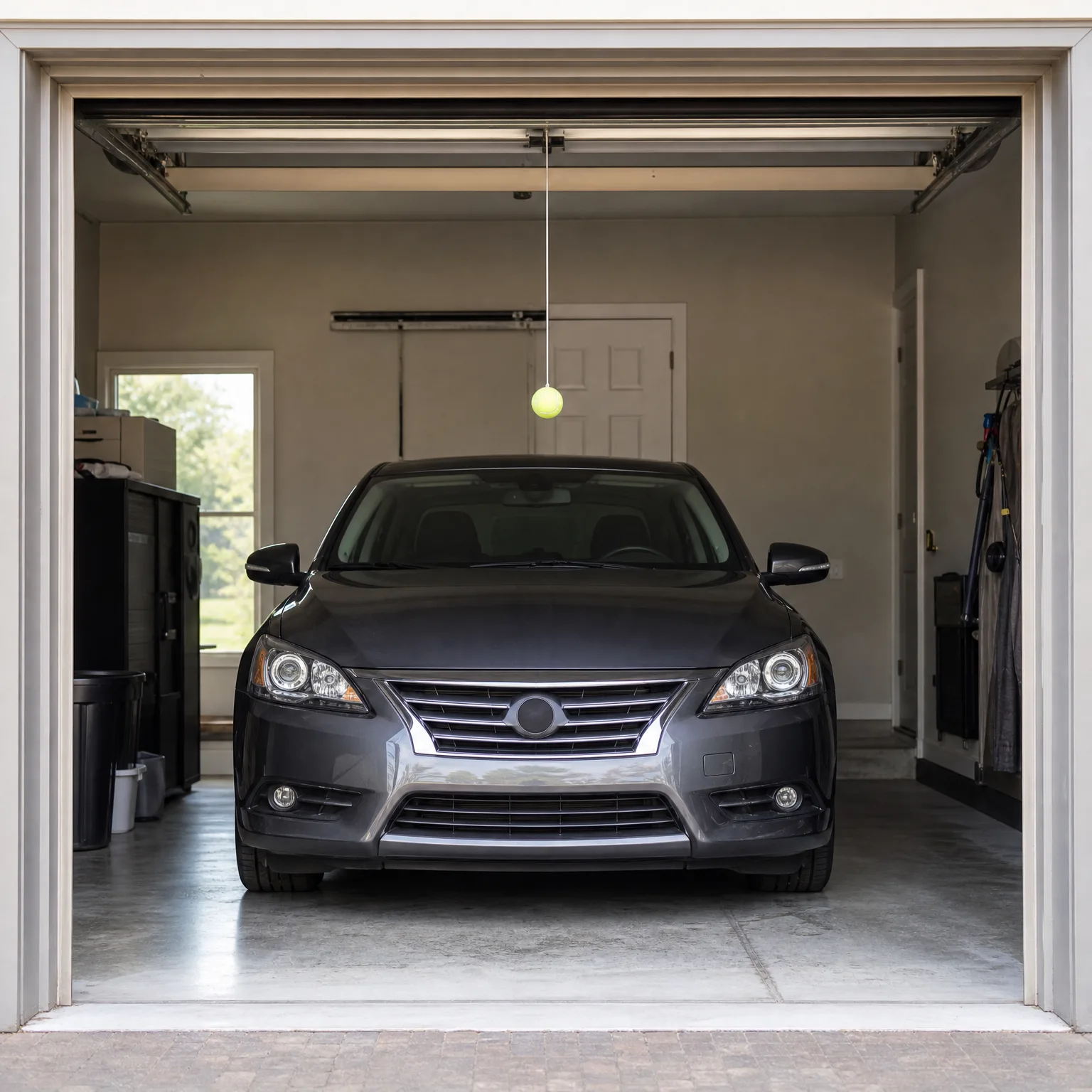
Your insurer's own age brackets matter more than the number 65
Each insurer decides where its own age groups start and end, and they don't publish identical charts. One company might start adjusting rates in the mid sixties. Another might not change anything until much later, or might only adjust based on a renewal review rather than a birthday.
This means two drivers the same age, same state, similar driving record, can see different things happen to their rate simply because they're with different insurers. If your renewal notice shows an increase, ask your agent directly whether age was a factor or whether something else changed, like your mileage estimate or your vehicle's value.
It also means shopping around after 65 can turn up real differences. An insurer whose bracket treats your age as neutral may quote you lower than the one you've been with for years.
If you took a defensive driving or mature driver course, check with your insurer about sending in the certificate. Some give a discount for it, but only after they receive proof, not just after you finish the class.
Your state may have its own rules about renewal and testing
A number of states require more frequent license renewal, an in-person renewal, or a vision test once a driver reaches a certain age. These rules come from the state, not from insurance companies, and they vary widely. Some states have no extra requirement at all.
These state rules can still affect your insurance indirectly. If your state requires a vision test and you pass it without issue, that has no effect on your premium. But if a renewal process flags a medical concern, or if you're asked to retest, that information can eventually make its way to your insurer and affect how they view your risk.
Check with your state's DMV or motor vehicle agency to find out what applies to you specifically, since there is no single rule that holds across the country. This is also where you'd find out if your state offers any insurance discount for completing a mature driver course, since some states require insurers to honor that discount while others leave it up to the company.
Questions people ask about this
Does my car insurance go up automatically at a certain age?
No, there's no automatic nationwide increase tied to any specific age. Any change comes from your individual insurer's pricing model, and it's often driven by claims history or vehicle changes rather than age alone. Ask your agent to explain any increase on your renewal notice line by line.
Can an insurer drop me for being too old?
An insurer can choose not to renew a policy, but age by itself isn't a standard reason listed in most state insurance codes. Non-renewal is far more commonly tied to claims, a lapsed license, or a pattern of violations. If you're ever notified of non-renewal, ask for the specific reason in writing.
Do senior driver discounts actually exist?
Some insurers offer a discount tied to completing an approved driver safety or mature driver course, and some states require this discount by law. It's not automatic. You typically need to finish the course and then send the certificate to your insurer yourself.
Will my insurance change if I drive less after retiring?
It can, since many insurers ask for your estimated annual mileage and adjust pricing based on it. If your commute disappears after retirement, tell your insurer your new estimated mileage rather than waiting for them to guess. Lower mileage doesn't guarantee a lower rate, but it's worth reporting accurately.
Should I shop for new insurance after I turn 65?
It's worth comparing quotes at this stage, since insurers price age differently and your current company's bracket may not be the most favorable one available. A clean record and a modest car are assets with any insurer. Getting a few quotes is the only way to know whether your current rate is still competitive.
See whether another insurer treats your age and your record more favorably than your current one does.
Pull your most recent renewal notice and call your agent to ask exactly what changed and why. If you've taken a mature driver course, find out whether your insurer requires the certificate and send it in if you haven't already. Check with your state's DMV about any renewal or vision test requirement tied to your age, since that's separate from your insurance. Then get a few quotes from other insurers to see how they price your situation compared to your current company. Bring your driving record and current mileage estimate to that conversation, since both affect the number more than your birthday does.