Do You Pay a Deductible for Damage to Another Person's Car?
The other driver's car is paid through your liability coverage, which has no deductible. Your deductible only applies if you're fixing your own car.
Free to compare
No deductible for the other car, if the claim is liability
When you're at fault and your insurer pays to repair the other person's car, that comes out of your liability coverage. Liability coverage doesn't have a deductible. You don't pay anything toward their repair bill.
The deductible only comes into play for your own car, through your collision coverage, and only if you choose to use it. Those are two separate coverages doing two separate jobs, and mixing them up is where most of the confusion starts.
Which coverage pays decides whether a deductible applies at all
Liability coverage pays for damage you cause to someone else's car or property. It has no deductible because you're not the one being reimbursed. The money goes to the other driver or their insurer, not to you.
Collision coverage pays to repair your own car after an accident, no matter who caused it. That's the coverage with a deductible attached. If you weren't at fault, you'd typically have the other driver's insurer pay for your car under their liability coverage instead, and skip your own deductible entirely.
So the question isn't your age or how long you've been insured. It's which coverage the repair falls under. If you caused the accident and only their car was damaged, that's liability, and no deductible applies to you.
If both cars were damaged and you want your own car fixed right away rather than waiting on a fault determination, your insurer may use your collision coverage and your deductible, then try to recover that money from the other driver's insurer if you weren't at fault. Ask your insurer how they'd handle that before you file.
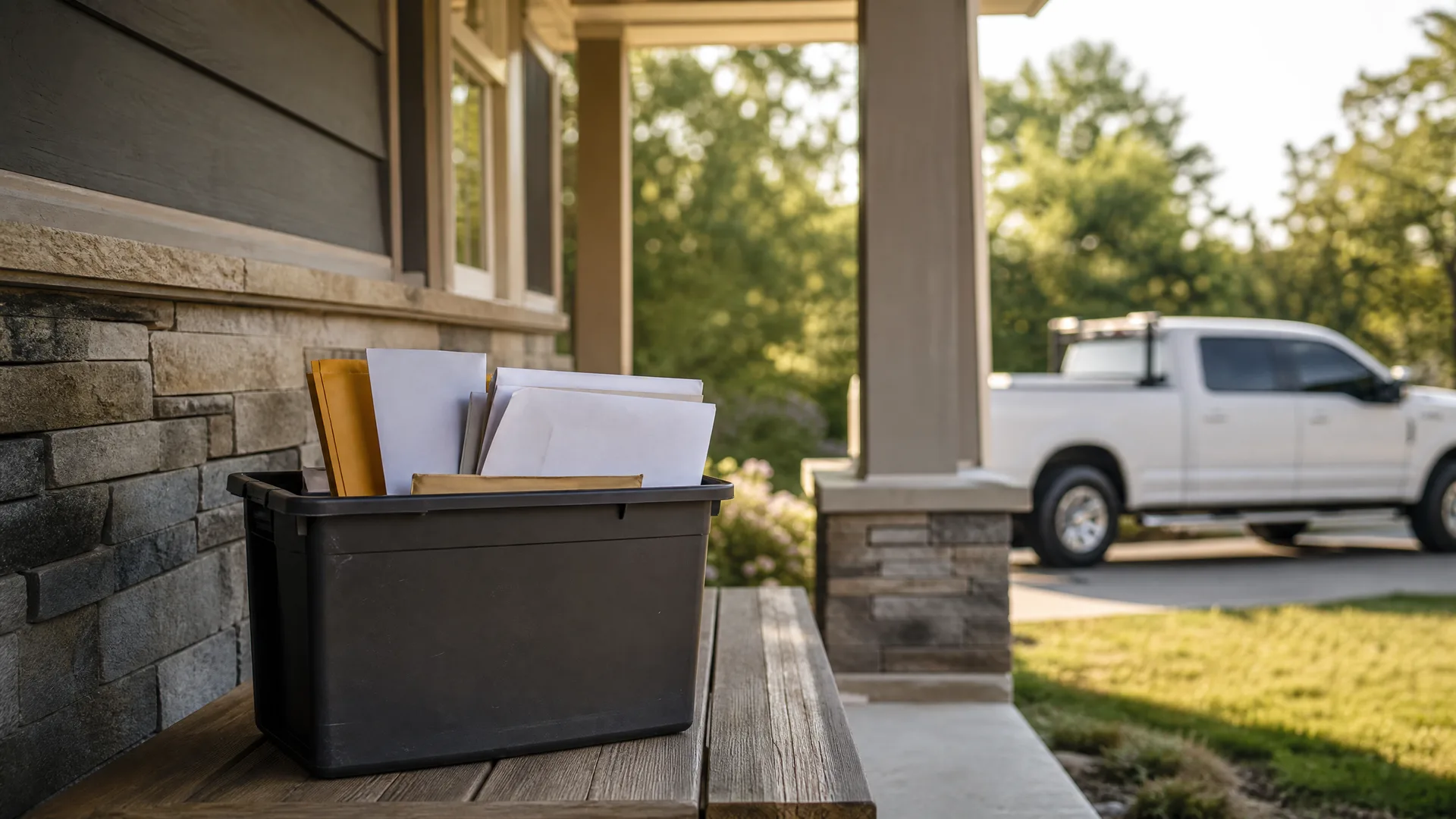
Fault and state rules change who pays what
In a fault state, the at-fault driver's liability coverage is supposed to pay for the other person's damage. If fault is split or disputed, your insurer and the other insurer may each pay a share, and that gets sorted out between the companies, not by you reaching for your deductible.
A few states use no-fault rules for injuries, but property damage claims like a dented fender still usually follow fault. Check with your insurer or your state's insurance department if you're not sure which applies where you live.
What trips people up is assuming any accident means paying a deductible somewhere. If you caused minor damage to another car and nothing happened to yours, there may be no deductible involved for anyone. Ask your insurer directly which coverage they're using before you assume you owe anything out of pocket.
Questions people ask about this
Does my insurance go up if I pay for the other car through liability?
It can, since the claim is still recorded as an at-fault accident on your record. Whether your rate actually increases depends on your insurer's rules and your history. Ask your agent how one claim at fault would affect your renewal before you decide how to handle a minor accident.
What if the other driver says their damage costs more than my coverage limit?
Your liability coverage only pays up to your policy's limit, and anything above that is your responsibility to pay yourself. This is why it's worth checking your liability limits now rather than after an accident. Your insurer or agent can tell you what your current limit is and whether raising it makes sense.
Can the other driver's insurance make me pay their deductible?
No, the other driver's deductible only applies to their own insurer if they use their own collision coverage. Your liability coverage pays the other driver or their insurer directly for the damage, and no deductible from either policy applies to that payment.
Do I need a police report to make a liability claim for the other car?
Requirements vary by state and by insurer, so check with your insurer about what they need to process the claim. A report can help settle questions about fault, which matters most when the damage or the story is disputed.
Will my insurer pay the other driver before confirming I was at fault?
Insurers typically investigate who was at fault before paying out a liability claim. If fault isn't clear, this can take some time, and the other driver's repairs may be delayed until it's resolved. Ask your insurer how they determine fault and what evidence they'll want from you.
See what liability limits other insurers offer before your next renewal.
Before you file anything, call your insurer and ask which coverage will pay for the other driver's car and whether your deductible applies to any part of the claim. Have your policy declarations page handy so you know your current liability limits. If you weren't at fault, ask whether the claim will go through the other driver's insurer instead of yours. Write down the other driver's insurance information and a brief account of what happened while it's fresh. If your state's fault rules are unclear to you, a quick check with your state insurance department's website can settle it. Once you know which coverage applies, you'll know whether a deductible is part of this at all.