Does a Teen Driver Raise a Grandparent's Car Insurance
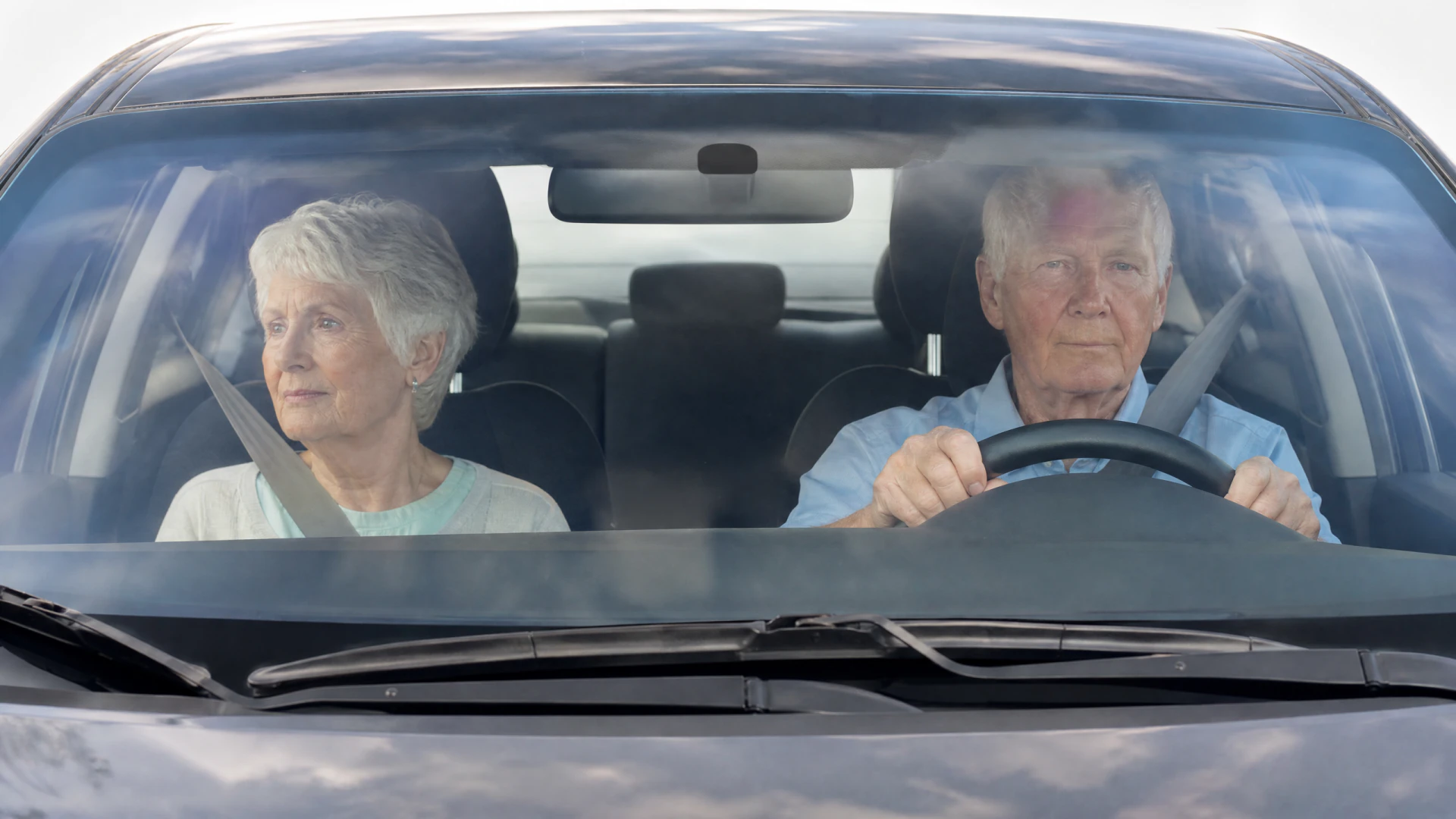
A grandchild's driving doesn't touch your policy unless they're actually listed on it or driving your car on a regular basis.
Free to compare
Only if the teen is added to your policy or drives your car
Your insurance covers the people and vehicles on your policy. If your grandchild isn't listed as a driver and doesn't regularly use your car, their own driving record and their parents' policy are what matters, not yours. A teen living under the same roof learning to drive is a different case. Insurers usually want every licensed driver in the household listed, and a grandparent raising a grandchild, or a teen who lives there part time and drives the car, often counts.
What decides it is whether the teen has regular access to your car, not whether they're related to you. If they visit and borrow the car once in a while, most insurers treat that as permissive use, covered by your policy for that trip, but not something that changes your rate. If they're on your policy as a listed driver, that's when the premium moves, because now the insurer is pricing in a new and inexperienced driver.
Whether the teen lives with you or just visits
Insurers ask about household members, not just family members. If your grandchild lives with you, even part of the year, many insurers will ask you to list them as a driver once they're licensed, whether or not they have their own car. That's the point where your premium can change.
If they live elsewhere and only drive your car occasionally, like during a visit, that's usually handled differently. Ask your insurer how they define household member and how often someone can drive your car before they expect that person listed.
Some grandparents end up listing a grandchild because it's the honest answer to the application question, not because the teen drives often. If you're not sure how to answer, call your insurer and describe the actual living and driving arrangement rather than guessing.
What most people get wrong about this
A common mistake is assuming that because the car is titled in the grandparent's name, only the grandparent's driving record matters. Insurers price a policy based on everyone who regularly drives the car, not just the owner.
Another mistake is leaving a teen off the policy to avoid the cost, when they're driving the car often enough that they should be listed. If there's an accident and the insurer finds out an unlisted driver had regular access to the car, they can deny the claim or cancel the policy, which costs far more than the added premium would have.
If the goal is to help a grandchild build driving experience without raising your own rate, ask your insurer whether there's a separate policy option for the teen, sometimes tied to their parents' insurance instead of yours, even if the car itself is yours.
Questions people ask about this
Can a grandchild be insured on a car they don't own?
Yes, a driver doesn't need to own a car to be listed on its policy. What matters to the insurer is who regularly drives the vehicle, not whose name is on the title. If your grandchild drives your car often, listing them is usually the honest and required step, regardless of ownership.
Does adding a teen driver affect coverage for everyone else on the policy?
Adding a driver changes the overall premium for the policy, but it doesn't change the coverage other listed drivers have. Everyone on the policy keeps the same coverage limits. The cost of insuring the car as a whole goes up because the insurer now accounts for a newer, less experienced driver.
Should a teen be on the grandparent's policy or the parents' policy?
That depends on where the teen lives and which household's car they drive most. If the teen lives primarily with their parents but visits grandparents and drives their car sometimes, the parents' policy is usually the better fit. Ask both insurers how they'd each treat the arrangement before deciding.
Can a grandparent remove a teen driver from their policy later?
Yes, a listed driver can usually be removed once they move out, get licensed on their own policy, or stop driving the car regularly. Call the insurer when the situation changes so the policy reflects who's actually driving the car.
Does a teen's good grades lower a grandparent's insurance increase?
Many insurers offer a discount for good student drivers, which can reduce how much a teen adds to the premium. Ask your insurer directly whether this applies and what proof of grades they need, since the requirements vary by insurer.
See how adding a teen driver would actually change your rate before you decide how to handle it.
Call your insurer and describe the real situation, how often the teen drives your car and whether they live with you, rather than guessing at the rule. Ask directly whether the teen needs to be listed and what it would do to your premium. If the teen has their own parents with a policy, ask whether insuring the teen there instead is an option, even if they sometimes drive your car. Have your current policy details and the teen's license information on hand so the insurer can give you a real answer instead of a general one. If the answer isn't what you hoped, ask about discounts for young or student drivers before assuming the increase is fixed.