Does Canceling Insurance on a Stored Car Cause Problems
Canceling coverage on a car you've put into storage can create a lapse that follows you, unless you handle it the right way.
Free to compare
It depends on how you cancel, not whether you cancel
Canceling insurance outright on a stored car can cause a real problem. Insurers report lapses to a shared database, and when you go to insure a car again, a gap in coverage can mean a higher premium even if the car sat untouched in a garage the whole time.
The fix most insurers offer is a reduced coverage option instead of a full cancellation. It keeps comprehensive coverage in place for fire, theft, or storm damage, drops liability and collision, and avoids creating a lapse on your record. Ask your insurer if they offer this before you cancel anything.
Whether your state requires insurance to keep the registration active
Some states tie your registration to proof of insurance, and letting the policy lapse can mean your registration gets flagged or suspended even if the car never leaves the garage. Other states allow you to file a formal notice that a car is off the road, which protects both your registration and your insurance history at the same time.
Check with your state's motor vehicle agency before you cancel. If your state requires continuous coverage for registered vehicles, canceling the policy without also addressing the registration can create two problems instead of one.
If you plan to take the car off the road entirely, ask whether your state has a formal non-operation or storage filing. That filing is usually the piece that lets you drop liability coverage without it counting against you later.
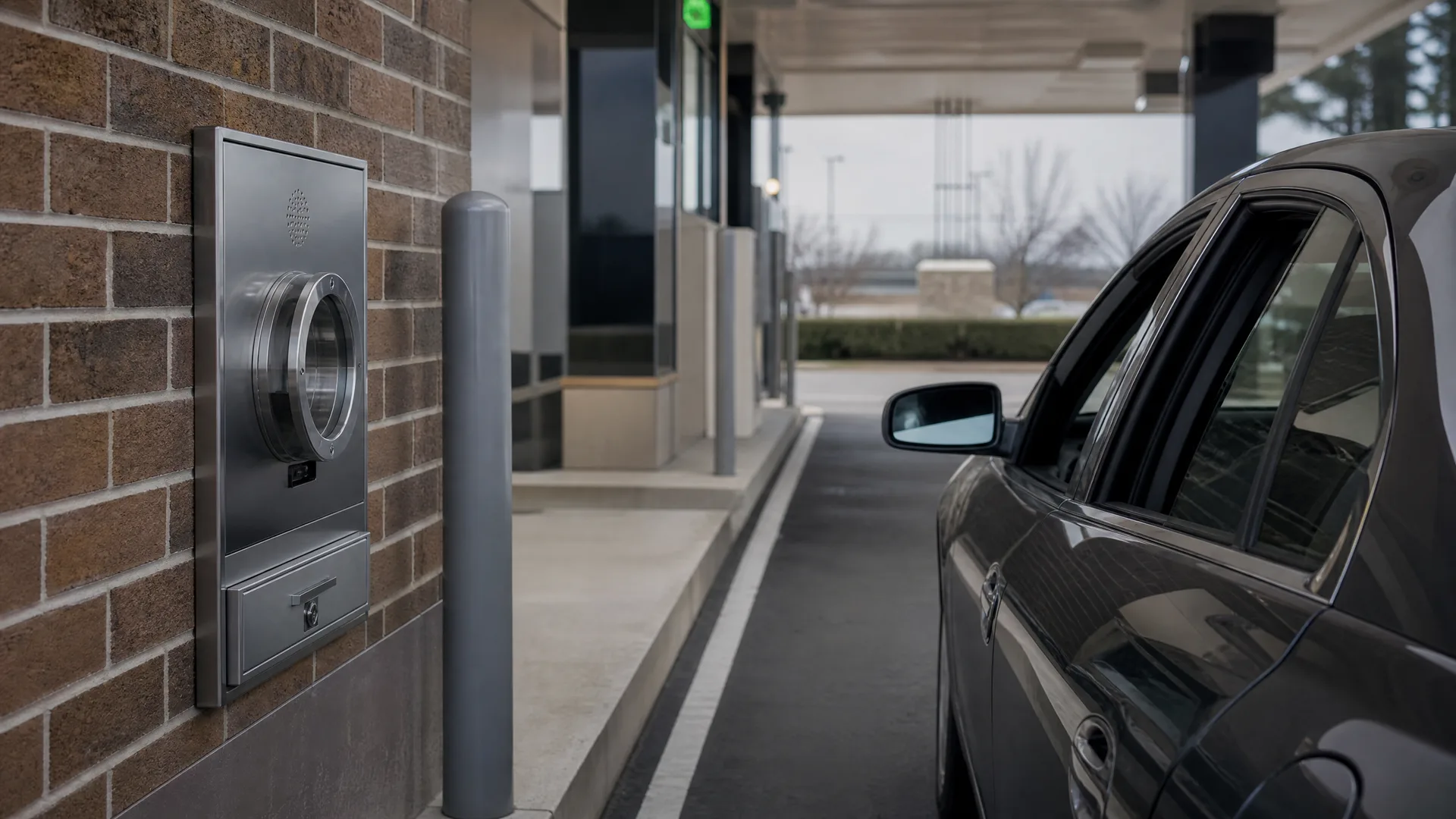
What your insurer reports when you cancel versus when you reduce coverage
A full cancellation shows up differently than a switch to comprehensive-only coverage. When you cancel outright, most insurers log it as a lapse, and that lapse is what a future insurer sees when you ask for a new quote.
When you instead ask for comprehensive-only or 'storage' coverage, the policy stays open on paper. There's no gap to explain later, and your insurer can usually tell you exactly what it costs to keep that reduced coverage running compared to canceling.
Ask your insurer directly what they call this option and how it appears on your record. The terminology differs by company, so the only way to know for sure is to ask them by name.
Questions people ask about this
Can I just remove the car from my policy instead of canceling the whole thing?
Yes, if you have other vehicles on the same policy, removing just the stored car is usually possible. Ask your insurer whether removing a vehicle from a multi-car policy affects your discounts or your base rate, since some multi-vehicle discounts depend on how many cars are listed.
Do I still need comprehensive coverage on a car that never leaves the garage?
It depends on what could still happen to the car while it sits. Fire, theft, flooding, and falling objects can damage a parked car just as easily as a driven one, which is why many insurers recommend keeping comprehensive coverage even during storage.
Will canceling insurance affect my ability to register the car again later?
In some states, yes, because registration and insurance are linked and letting one lapse can suspend the other. Check with your state's motor vehicle agency about what's required to reinstate registration after a gap in coverage.
How long can a car sit without insurance before it causes a lapse in coverage history?
There's no single answer, since insurers set their own thresholds for what counts as a lapse. Ask your current insurer directly how many days without active coverage would show up as a gap on your record.
What's the difference between storage insurance and comprehensive-only coverage?
They're often the same thing described differently, since 'storage coverage' is usually just comprehensive coverage without liability or collision attached. Ask your insurer what they call the option and whether it comes with any mileage or usage restrictions while it's active.
See what it would cost to keep reduced coverage instead of canceling outright.
Call your current insurer before you do anything else and ask specifically about reduced or comprehensive-only coverage for a stored vehicle. Have your policy number and the car's VIN ready, along with how long you expect the car to stay parked. Separately, check with your state's motor vehicle agency about whether registration requires continuous insurance, and ask if there's a formal non-operation filing you should submit. If you plan to insure the car again within a year or two, ask your insurer how a cancellation versus a reduced policy would show up when you come back for a new quote. Get their answers in writing or note the date and the name of whoever you spoke with, in case the policy changes hands before you restart coverage.