Does Car Insurance Pay for Medical Equipment
Car insurance can pay for medical equipment tied to a crash, but it comes through your medical coverage, not as a separate benefit you ask for by name.
Free to compare
It depends on which coverage pays your medical bills
If you're hurt in a crash, a wheelchair, walker, hospital bed, or similar equipment can be covered the same way your other treatment is covered, as part of the medical payments under your policy or the other driver's liability coverage. There's no separate line item for equipment. It gets billed and paid the way any other medical cost from the accident would be.
What you have access to depends on your state and your policy. Some states require personal injury protection, which pays medical costs regardless of fault. Others rely on medical payments coverage, which is optional, or on the at-fault driver's liability coverage, which only pays once fault is established. Check your declarations page to see what medical coverage you actually carry.
Whether the equipment is tied to the accident
Insurance pays for equipment connected to injuries from a covered crash. A cane or a hospital bed prescribed because of a broken hip from the accident fits that. Equipment for an unrelated or pre-existing condition doesn't, even if the timing seems close.
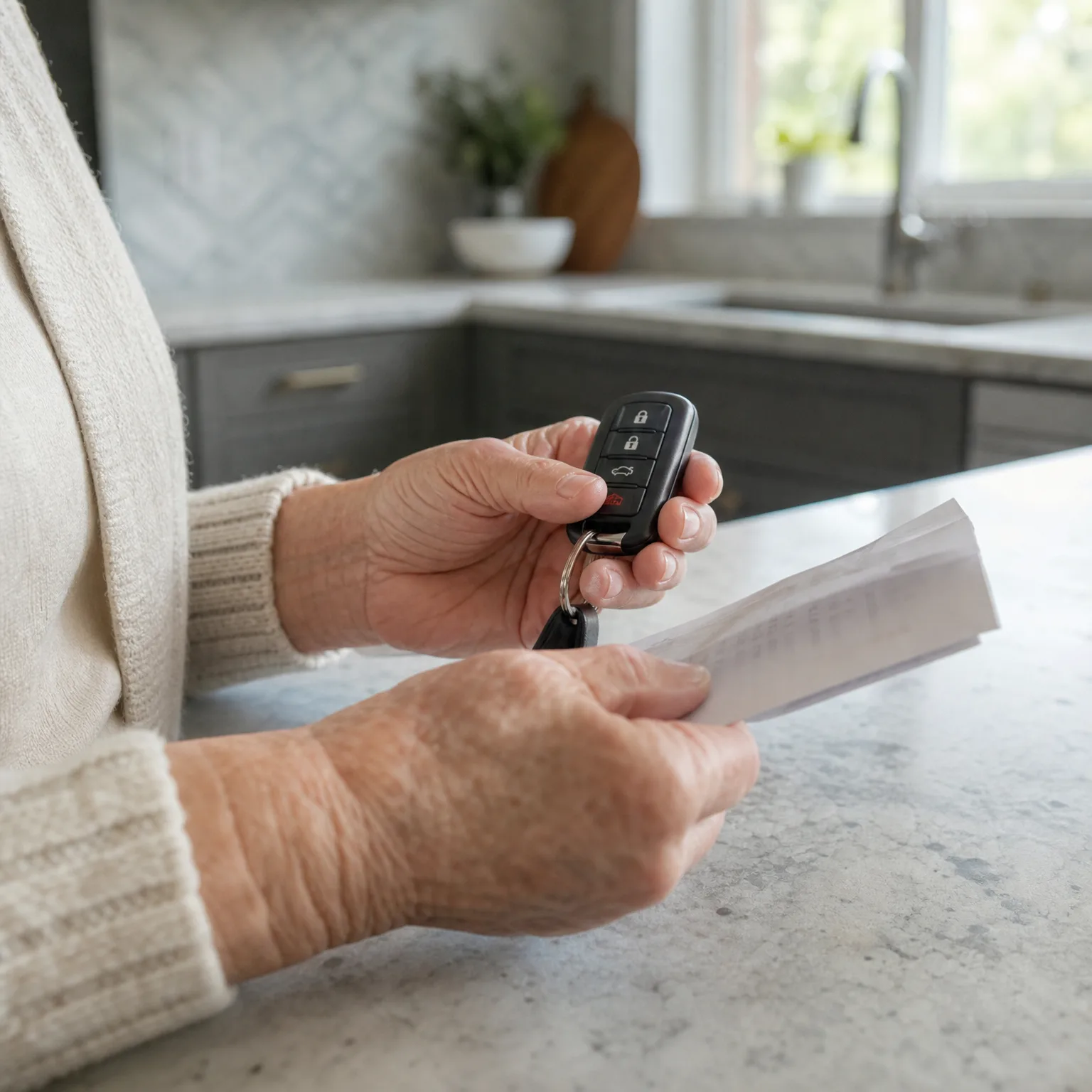
This is why documentation matters. A doctor needs to connect the equipment to the injury in the medical record, and ideally write a prescription or order for it. Insurers pay claims based on what the paperwork shows, not on what actually happened.
If you're not sure whether something qualifies, ask the doctor's office to note the connection to the accident explicitly when they prescribe it. That one line in the chart can be the difference between a claim that's paid and one that's questioned.
Which coverage you're relying on, and its limit
Every medical coverage on a car insurance policy has a limit, whether it's personal injury protection, medical payments coverage, or a liability payout from the other driver's insurer. Once medical bills and related costs reach that limit, the policy stops paying and the remaining cost falls to the injured person or their own health insurance.
Equipment can be expensive enough to use up a chunk of that limit on its own, especially something like a power wheelchair or a modified vehicle lift. If the limit is low, it may cover the first round of treatment but run out before equipment is even ordered.
Health insurance often becomes the backup once car insurance coverage is exhausted. Some people assume car insurance will handle everything related to the accident, then find out partway through that it won't. Knowing the limit before equipment is ordered helps avoid that surprise.
Questions people ask about this
Does car insurance cover home modifications after an accident?
Sometimes, but only if they're tied to a documented injury and paid through the same medical coverage as everything else. A ramp or grab bars ordered because of an accident-related injury can qualify. Check with the adjuster handling the medical claim before assuming it's covered.
Will my health insurance cover medical equipment if car insurance runs out?
Often, yes, once the car insurance medical limit is reached, health insurance can pick up what's left, subject to its own rules and any deductible. Call your health insurer to ask how they handle costs that started as an auto claim.
Do I need a prescription for durable medical equipment to be covered?
Usually. Insurers generally want a doctor's order or prescription connecting the equipment to the injury before they'll pay for it. Ask the prescribing doctor to note that the equipment relates to the accident.
Can I get reimbursed for medical equipment I already bought?
It depends on the insurer and the coverage. Some will reimburse if you submit the receipt and supporting medical records, others want to approve equipment before it's purchased. Ask the claims adjuster what they need before you buy anything else out of pocket.
Does the at-fault driver's insurance pay for my medical equipment directly?
It can, once fault is established, but it often takes longer than filing through your own medical coverage first. Many people use their own coverage right away and let their insurer seek reimbursement from the at-fault driver's insurer later.
If a health condition or a recent claim has you rethinking your coverage, see what other insurers would charge you.

Pull out your declarations page and find the medical coverage section, whether it's labeled personal injury protection, medical payments, or something else, and note the limit. If you've been in an accident and need equipment, ask your doctor to document the connection to the crash in writing. Then call the claims adjuster handling your case and ask directly whether the equipment is covered and under which part of the policy. If the limit looks like it won't cover much, ask your health insurer now how they handle claims that start as auto accidents, so you know what happens if the car insurance runs out. Keep every prescription, invoice, and claim letter together in one place in case you need to show the paper trail later.