
Does Car Insurance Protect You From Being Sued?
Liability coverage is what stands between you and a lawsuit, but only up to the limits you bought.
Free to compare
Yes, through your liability coverage
Car insurance protects you from being sued by paying for the other driver's injuries or property damage when you're at fault, which is the lawsuit most drivers worry about. Your insurer also pays for a lawyer to defend you if the other driver sues instead of settling.
That protection only goes as far as your policy limits. If a judgment or settlement comes in higher than your coverage, you are personally on the hook for the rest. This is why the limits you choose matter more than most people realize until they need them.
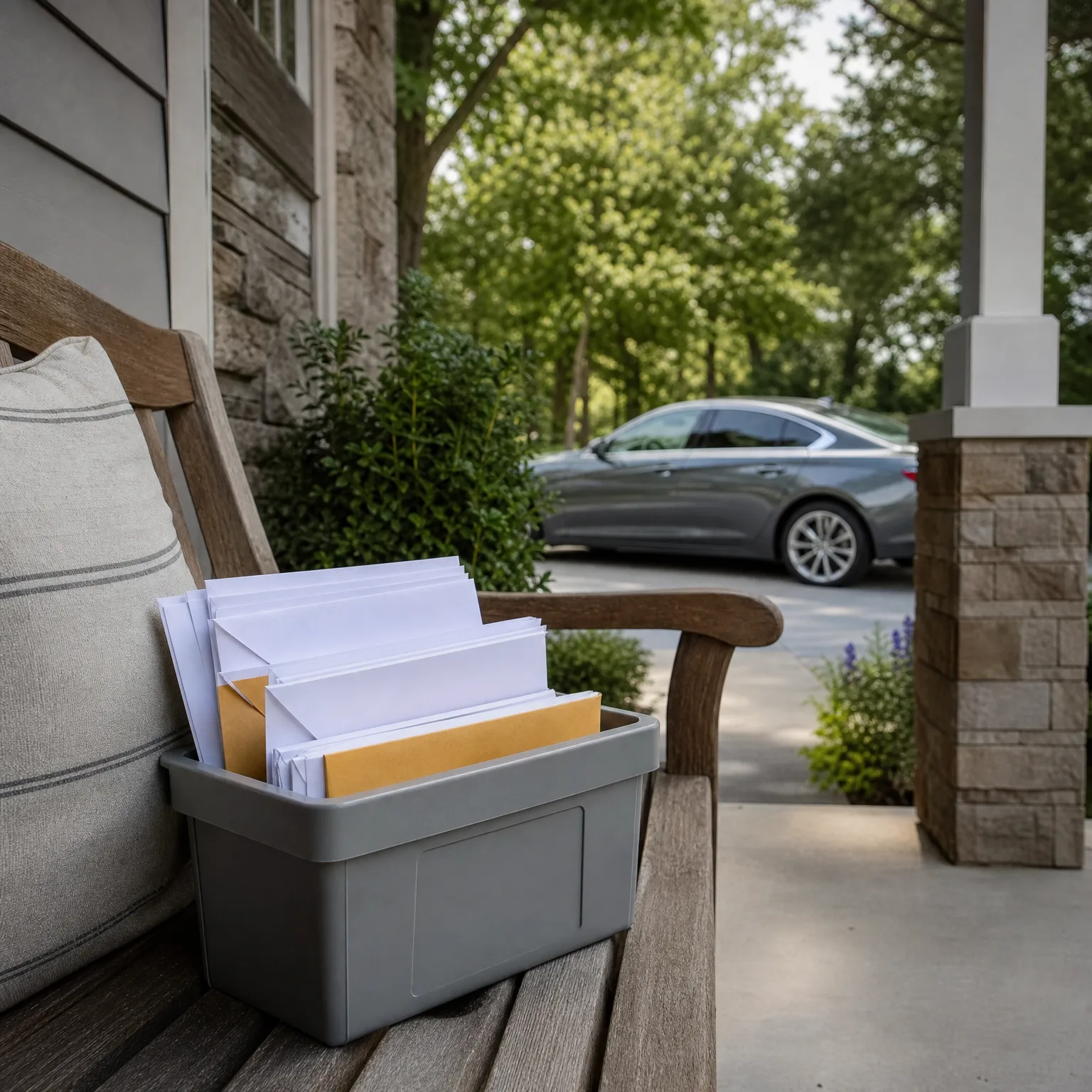
Your liability limits decide how much protection you actually have
Every policy has a cap on what it pays for a single accident. If you carry the minimum your state requires, that cap can be lower than what a serious injury claim actually costs. The gap between your limit and the claim is yours to pay.
This is the number worth checking before anything happens, not after. Look at your declarations page for your bodily injury and property damage limits, and compare them to what you own. If a judgment could take your savings or your home, your limits are too low for your situation.
Raising your limits usually costs less than people expect relative to the protection it buys. It's worth asking your insurer what the next tier up would cost and what it would cover.
What your policy does and doesn't cover in a lawsuit
Your insurer defends you against claims that fall within your policy, meaning claims arising from an accident involving your covered vehicle. They will hire the lawyer, handle the negotiations, and pay what they agree to or what a court orders, up to your limits.
What it won't cover is anything outside the accident itself. If a lawsuit claims you did something intentional, or if you were using the car for something your policy excludes, like certain business use, the insurer can deny the claim and leave you to handle it alone.
People also assume the insurer will always settle to avoid a trial. Sometimes they don't, and the case goes to court. Either way, the lawyer and the costs of defending you are part of what your premium pays for, separate from the payout itself.
Questions people ask about this
What happens if a lawsuit costs more than my insurance limits?
You are personally responsible for the amount above your limits. The other driver can pursue your personal assets, including savings, wages, or property, depending on your state's rules on collecting a judgment. This is the main reason to carry higher limits than the state minimum if you have assets to protect.
Does umbrella insurance help if I get sued?
An umbrella policy adds a further layer of liability coverage once your car or home insurance limits are used up. It's worth asking an agent whether one makes sense for you, especially if your car insurance limits are on the lower side and you have savings or property a judgment could reach.
Can my insurance company refuse to defend me in a lawsuit?
Yes, if the claim falls outside what your policy covers. This can happen if the accident involved excluded activity, like using a personal vehicle for commercial deliveries, or if you were driving a car not listed on your policy. Check your policy's exclusions section or ask your insurer directly if you're unsure what's covered.
Does my insurance protect me if I'm sued for something that happened years ago?
It depends on when the claim is filed and your state's deadline for filing lawsuits after an accident, known as the statute of limitations. If the accident happened while you were insured and the lawsuit is filed within that window, your policy at the time of the accident is generally what responds, not your current one.
Do I need a lawyer if my insurance company already provides one?
The lawyer your insurer provides represents the insurance company's interests as well as yours, which usually align but not always. If the lawsuit could exceed your policy limits, or if you're unsure whether your interests and your insurer's still match, it's reasonable to ask a lawyer of your own to review the situation.
If your limits haven't kept up with what you have to lose, it's worth seeing what higher coverage would cost.
Pull out your declarations page and find your liability limits for bodily injury and property damage. Compare those numbers to what you own and what a serious accident could realistically cost. If the gap looks too wide, call your insurer or agent and ask what raising your limits would cost, and whether an umbrella policy makes sense for your situation. Do this before anything happens, since you can't buy more coverage after a lawsuit is already filed. It's a short phone call now against a much longer problem later.