Does Gap Insurance Cover Negative Equity on a Car Loan
Gap insurance covers the difference between your loan balance and your car's value, but only after a total loss, not just because you owe more than the car is worth.
Free to compare
Yes, but only when the car is totaled or stolen
Gap insurance pays the gap between your car's actual cash value and what you still owe on the loan, but only if your car is declared a total loss or stolen and never recovered. It doesn't step in just because your loan balance is higher than your car's value right now. Being upside down on a loan isn't a claim. A total loss is.
So if your car gets totaled in an accident, your regular auto insurance pays out the car's value first. If that amount is less than your loan balance, gap insurance covers the rest. Without it, you'd owe your lender the difference out of pocket, even though you no longer have a car.
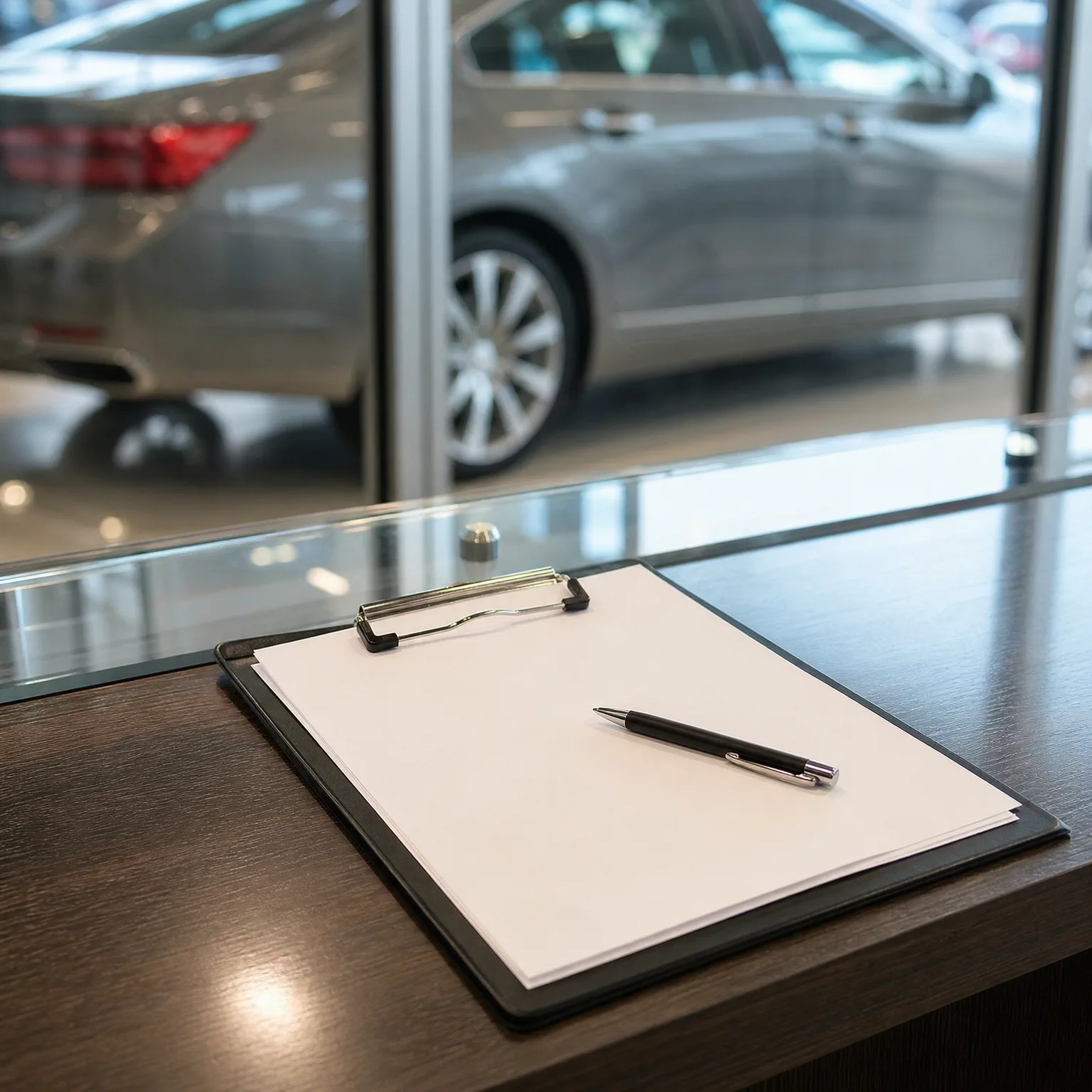
Whether you still have a loan or lease balance matters
Gap insurance only makes sense if you owe more on the car than it's worth. Once your loan balance drops below the car's value, usually after a few years of payments, there's no gap left to cover. Carrying gap insurance past that point just means paying for coverage that would never pay out anything.
Some lenders and leases require gap coverage for the life of the loan, especially if you financed with little or no down payment. Check your loan or lease agreement to see if it's required and for how long.
If you paid cash or you're far enough into your loan that your balance is below the car's value, you likely don't need gap insurance at all.
What counts as a total loss depends on your insurer
Your auto insurer decides whether your car is a total loss, usually by comparing the cost of repairs to the car's value. That threshold is set by the insurer and sometimes by state rules, so it's worth asking your insurer directly how they make that call.
Gap insurance also doesn't cover your deductible. If your collision deductible applies before your insurer pays out, you still owe that amount yourself. Some gap policies include a small deductible reimbursement, but not all do, so check the specific policy.
Gap coverage also won't help with mechanical breakdowns, routine damage, or anything that isn't a total loss or theft. It's a narrow kind of coverage built for one specific situation.
Questions people ask about this
Do I still need gap insurance if my car is paid off?
No, gap insurance only matters if you owe money on the car. Once it's paid off, there's no loan balance for a gap to exist between, so the coverage has nothing left to do.
Can I buy gap insurance after I've already bought the car?
In many cases yes, some insurers and lenders let you add it after the fact, but not all do. Ask your insurer whether they offer it as a later add-on and whether there's a window for doing so.
Does gap insurance cover a leased car the same way as a financed one?
Leases often build in a similar protection called lease-end gap coverage, sometimes automatically. Check your lease agreement to see what's already included before paying for a separate policy.
Will gap insurance pay off my loan if the car is stolen and never found?
Yes, a theft with no recovery is treated the same as a total loss for gap insurance purposes. Your regular insurer pays the car's value, and gap coverage pays the remaining loan balance.
Is gap insurance the same thing as new car replacement coverage?
No, they solve different problems. Gap insurance pays off what you owe, while new car replacement coverage pays to replace the totaled car with a new one, which can be a larger payout.
See what gap coverage would cost alongside your regular policy before you decide if you need it.
Pull out your loan or lease agreement and check whether gap coverage is required and for how long. Ask your insurer how they determine a total loss and whether your current deductible would still apply on top of any gap payout. If you're financing a new purchase, ask the dealer and your insurer separately what gap coverage costs through each, since prices and terms differ. If you're several years into a loan, ask your lender for your current payoff balance and compare it to what your car is worth now, to see if you still need the coverage at all.