Does My Insurance Cover Me Driving My Parent's Car
If you have your parent's permission and don't drive their car regularly, your policy or theirs will likely cover you.
Free to compare
Yes, in most cases, if you're an occasional driver with permission
When you borrow a car with the owner's permission, insurance generally follows the car, not the driver. That means your parent's policy is usually the first one that responds if you're in an accident while driving their car. Your own policy may also offer some coverage as a backup, depending on how it's written.
This holds for occasional use. Borrowing the car for an afternoon or a weekend is different from driving it every day. The more regularly you use the car, the more likely an insurer will expect your parent to have listed you as a driver on their policy, or expect you to have it listed on yours.
How often you actually drive the car
Insurers draw a line between someone who borrows a car once in a while and someone who drives it often enough that they should really be named on the policy. There's no universal rule for where that line sits. Some insurers look at how many days a month you use the car, others look at whether you have regular access to it, like a key of your own.
If you drive your parent's car often, perhaps because you live with them or stop by several times a week, ask their insurer directly whether you need to be added as a listed driver. An insurer that later learns a regular driver was never disclosed can use that to deny a claim, even if the accident wasn't your fault.
If the use is occasional, you're in a much simpler position. A single trip to borrow the car for an errand or a visit is exactly the kind of use permissive use coverage is meant to handle.
When in doubt, the safest move is to ask. A quick call to your parent's insurer to describe how often you drive the car costs nothing and settles the question.
Whether your parent actually gave permission
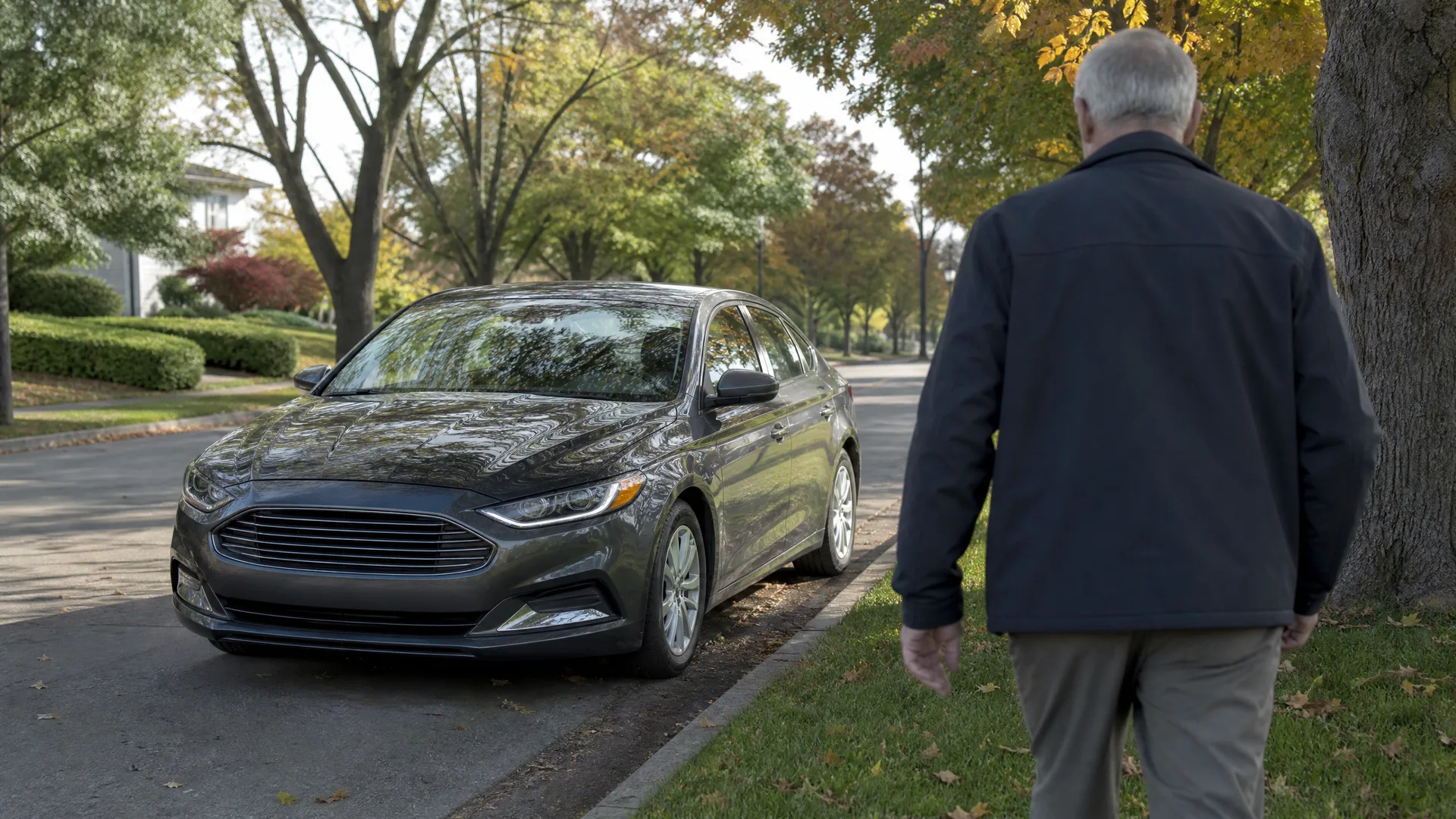
Coverage for a borrowed car depends on permission. If your parent handed you the keys and said go ahead, that's permission, and it doesn't need to be in writing. If you took the car without asking, or used it for something your parent wouldn't have agreed to, like a trip they didn't know about, an insurer can question whether the use was permitted at all.
This matters most after an accident, when an insurer may ask your parent directly whether they gave permission and for what. It helps if your parent remembers and can confirm the circumstances clearly. A vague or inconsistent answer can slow down a claim even when permission was genuinely given.
It's also worth asking your parent what their policy says about other drivers. Some policies list excluded drivers by name, often someone with a poor driving record, and if you've been excluded, permission from your parent won't matter. The policy itself overrides it.
Questions people ask about this
Does my car insurance follow me or the car?
For liability, insurance generally follows the car first and your own policy second. The owner's insurer is typically the first to pay a claim when their car is involved in an accident, with your policy potentially covering a gap depending on its terms. Ask your own insurer how your policy treats you as a driver of someone else's car.
What happens if I get in an accident driving my parent's car?
Your parent's insurer is usually the first to handle the claim, since the policy is tied to the car. You may also need to speak with your own insurer, especially if the damage or injuries exceed what your parent's policy covers. Keep your parent's insurance information with you whenever you borrow the car, and report the accident to them right away.
Do I need to be added to my parent's car insurance policy?
It depends on how often you drive their car. If it's occasional, most insurers don't require it, but if you drive it regularly, the insurer likely expects to know about it. Ask your parent's insurer what they consider regular use, since the threshold isn't the same everywhere.
Will my parent's insurance rate go up if I drive their car?
A single accident while you're driving could affect your parent's rate, since the claim is filed under their policy. Whether it does, and by how much, depends on the insurer and the details of the claim. If you drive the car often, ask whether adding you as a listed driver changes the premium, since that's a separate question from a one-time claim.
Can my parent exclude me from their car insurance policy?
Yes, insurers allow policyholders to name an excluded driver, often someone in the household with a troubled driving record. If your parent has excluded you, their policy won't cover you driving their car, regardless of permission. Ask your parent directly whether any household members are listed as excluded on their policy.
If you're not sure your coverage actually matches how you use the car, it's worth comparing policies built around how you really drive.
Before you next borrow your parent's car, ask them two things: whether their insurer knows how often you use it, and whether anyone is listed as an excluded driver on the policy. If you drive the car regularly, call their insurer together and ask whether you should be added as a listed driver, and how that changes the premium. Keep a copy of their insurance card in the car or on your phone in case you need it. If you're buying your own policy and expect to drive someone else's car from time to time, ask how your policy treats that situation before you need it.