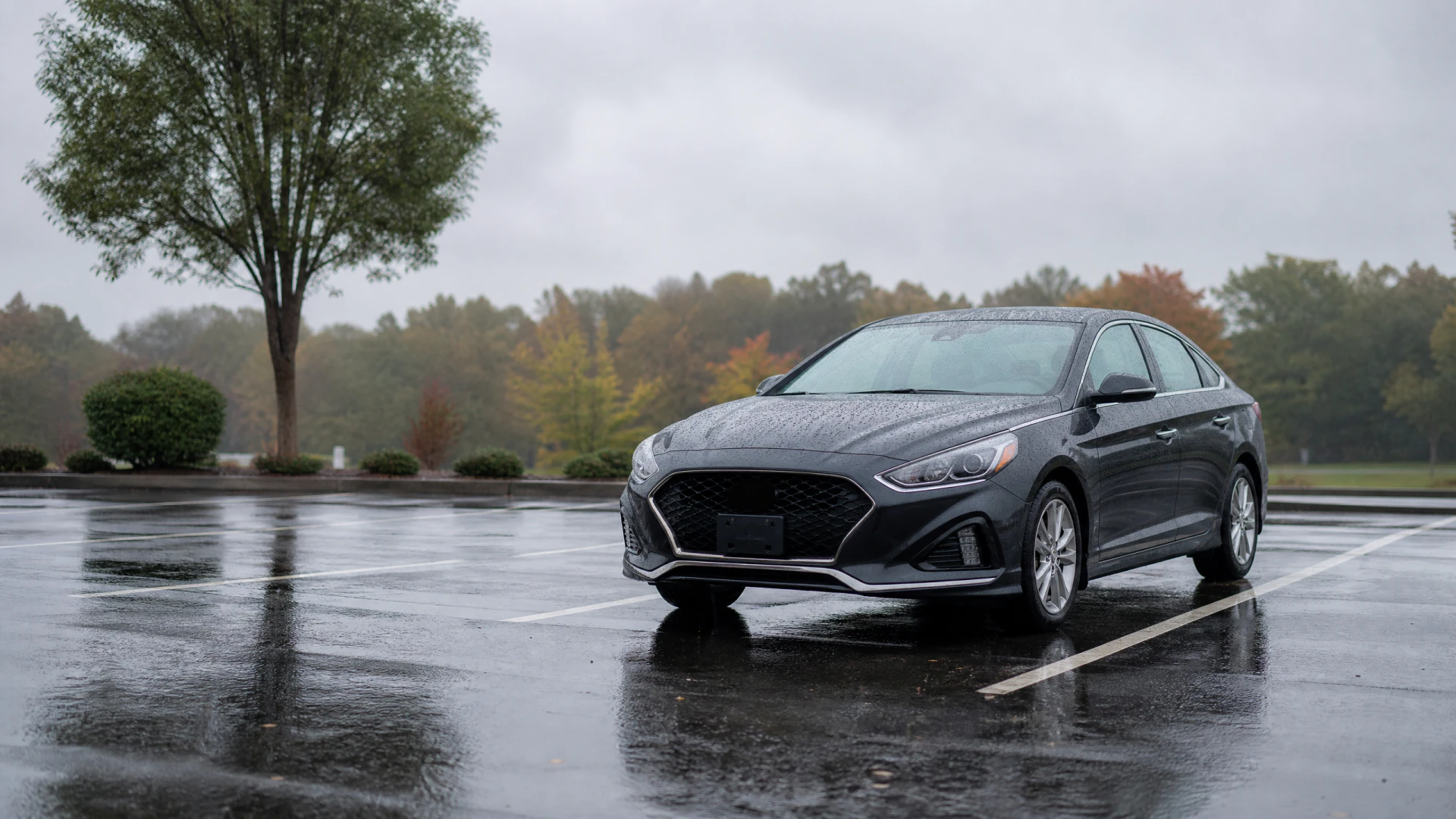
Does Non-Owner Car Insurance Cover Rental Cars
Most non-owner policies cover a rental car, but how much protection you get depends on what the policy includes.
Free to compare
Yes, with conditions that matter
A non-owner policy generally extends its liability coverage to a rental car, the same way it would if you were driving a friend's car. That's the main reason people this age buy one: it lets you rent a car without owning one, and still show the rental counter proof of insurance.
What it covers is liability, the damage or injury you cause to someone else. It usually doesn't include collision or comprehensive coverage for the rental car itself, so damage to the rental may not be covered unless you buy the rental company's own damage waiver or have another source of coverage for that part.
What your policy actually says
Not every non-owner policy is written the same way. Some name rental cars specifically and spell out how long the coverage lasts. Others are vaguer, and the rental coverage is really just the liability coverage extending to any car you drive that isn't yours.
Before you rent, call the insurer and ask directly whether rental cars are included and what's covered if the rental itself is damaged. Ask them to point to the policy language, not just tell you yes. If they can send it in writing, keep it with your rental confirmation.
If the policy doesn't cover damage to the rental car, you still have options. The rental company sells a damage waiver at the counter. A credit card used to pay for the rental sometimes includes rental coverage too, though the terms vary by card and you'd need to check with the card issuer directly.
What people get wrong about it
The most common mistake is assuming a non-owner policy works like full coverage on an owned car. It doesn't. It's built around liability, because the whole point of the policy is to cover you when you don't own a car to insure in the first place.
Another thing people miss is that the policy only covers you as a driver. If someone else on the rental agreement drives the car, your non-owner policy may not extend to them, so check who's listed before you hand over the keys.
Finally, some people assume the rental company will tell them if their coverage is thin. The counter staff sell the damage waiver either way, so it's on you to know what your own policy covers before you decline or accept it.
Questions people ask about this
Do I need a non-owner policy to rent a car?
No, a non-owner policy isn't required to rent a car. Rental companies will rent to you without any insurance of your own, as long as you accept their coverage or show proof of another policy. A non-owner policy just gives you a way to decline the rental company's liability coverage and use your own instead.
Does non-owner insurance cover a rental car in another state?
Usually, because liability coverage from a non-owner policy generally applies wherever you drive in the country, not just in your home state. Confirm this with your insurer before a trip, since the details can vary by company.
Will a non-owner policy cover a rental car I drive for work?
That depends on how the policy is written and whether it excludes business use. Some non-owner policies limit coverage to personal driving. Ask your insurer directly if you'll be renting for work.
Can I add rental car coverage to a non-owner policy?
Some insurers let you add coverage for damage to a rental car, similar to collision coverage on an owned car policy. Not every insurer offers this as an add-on, so ask what's available before you buy the policy.
What happens if I get in an accident in a rental car with non-owner insurance?
Your non-owner policy's liability coverage should respond to injuries or damage you cause to others, up to the policy's limits. Damage to the rental car itself depends on whether you had a damage waiver or other coverage for that, so check what you had in place before the accident.
See what non-owner policies in your area actually include for rental cars.
Before you book a rental, call your non-owner insurer and ask two things: does the policy extend to rental cars, and does it cover damage to the rental itself or only liability. Get the answer in writing if you can. If damage to the rental isn't covered, decide ahead of time whether you'll buy the rental company's damage waiver or rely on a credit card benefit, and check that card's terms directly with the issuer. Bring your policy's declarations page to the rental counter as proof of coverage. If you're not sure your current policy is the right fit, compare a few non-owner quotes and ask each insurer the same questions about rental car coverage.