Does Roadside Assistance Cover Me in Any Car
Most roadside plans follow the person who bought them, but whether that includes other cars or other drivers depends on how the policy is written.
Free to compare
It depends on whether the coverage follows you or the car
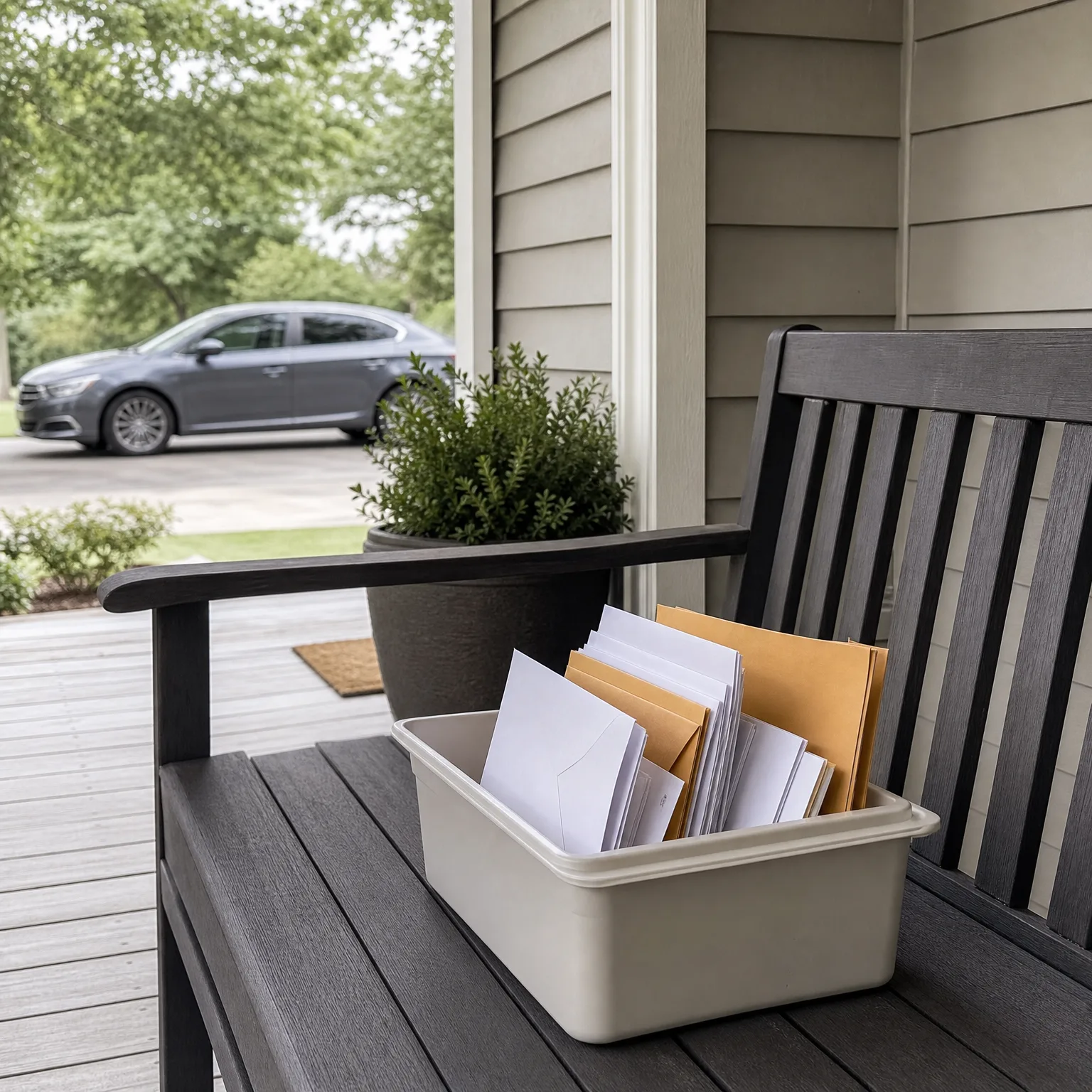
Roadside assistance added to an auto insurance policy usually covers you as a named driver, which means it can apply when you're driving a car you don't own, like a rental or a friend's car. Some policies instead tie the coverage to the vehicle listed on the policy, so it only works in that car no matter who's driving it.
The only way to know which kind you have is to check your policy documents or ask your insurer directly. The wording varies by insurer, and some give you a choice between the two when you buy the coverage.

How your policy defines who's covered
Some roadside plans are written around the driver. If yours works this way, you're covered in a car you're borrowing, a rental, or a vehicle that belongs to someone else in your household, as long as you're the one driving.
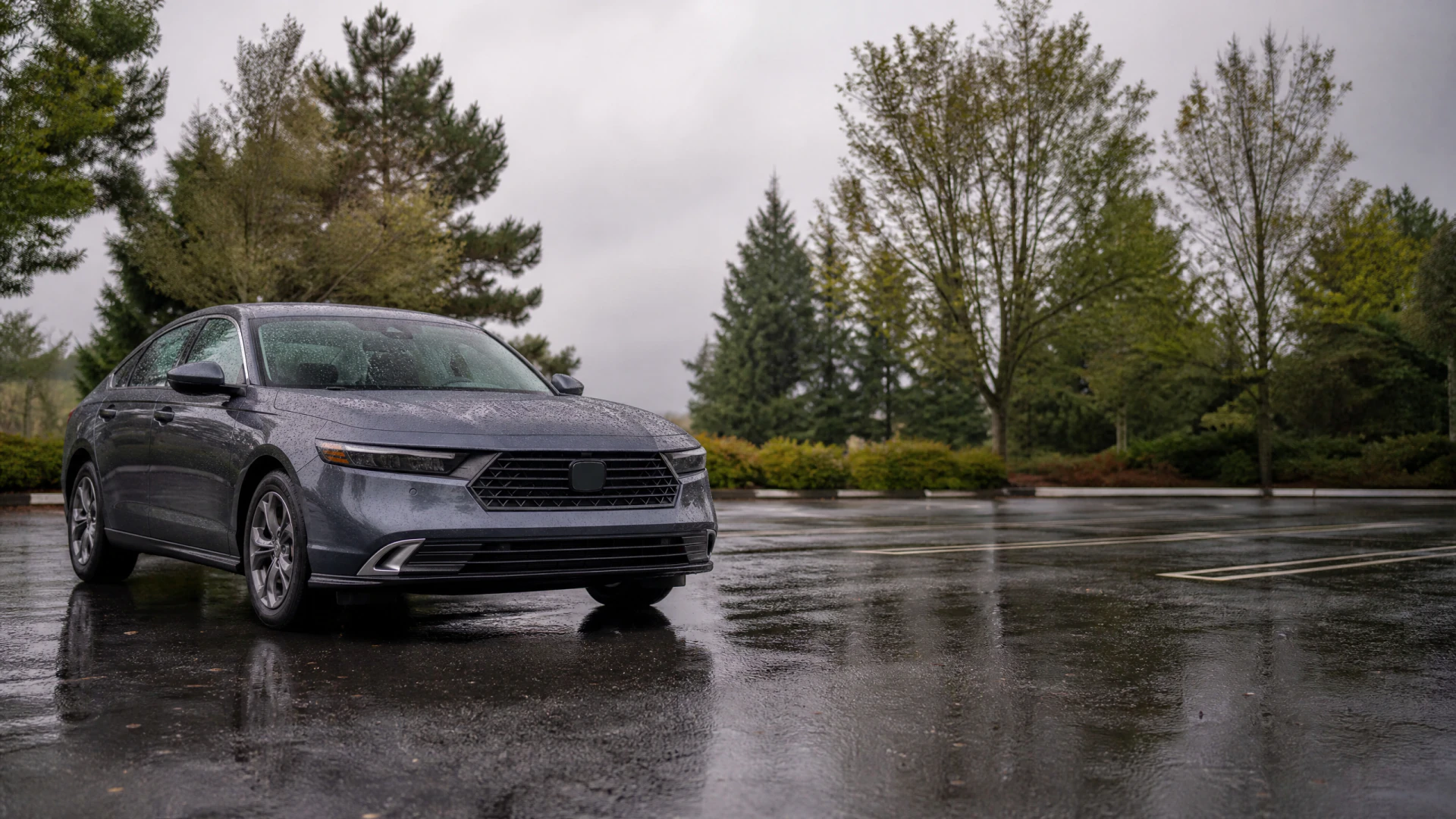
Other plans are written around the vehicle. In that case the coverage stays with the car listed on the policy, and it applies no matter who's behind the wheel, including someone you've lent the car to.
This distinction isn't something you can guess from the price or the name of the plan. It's in the policy language, usually under the roadside assistance or towing section. If you're not sure, ask your insurer which kind you have before you assume either way.
If you often drive a car that isn't your own, or your car is often driven by someone else, this difference matters more than it would otherwise. Ask specifically about that situation rather than asking a general question.
What a separate membership plan covers instead
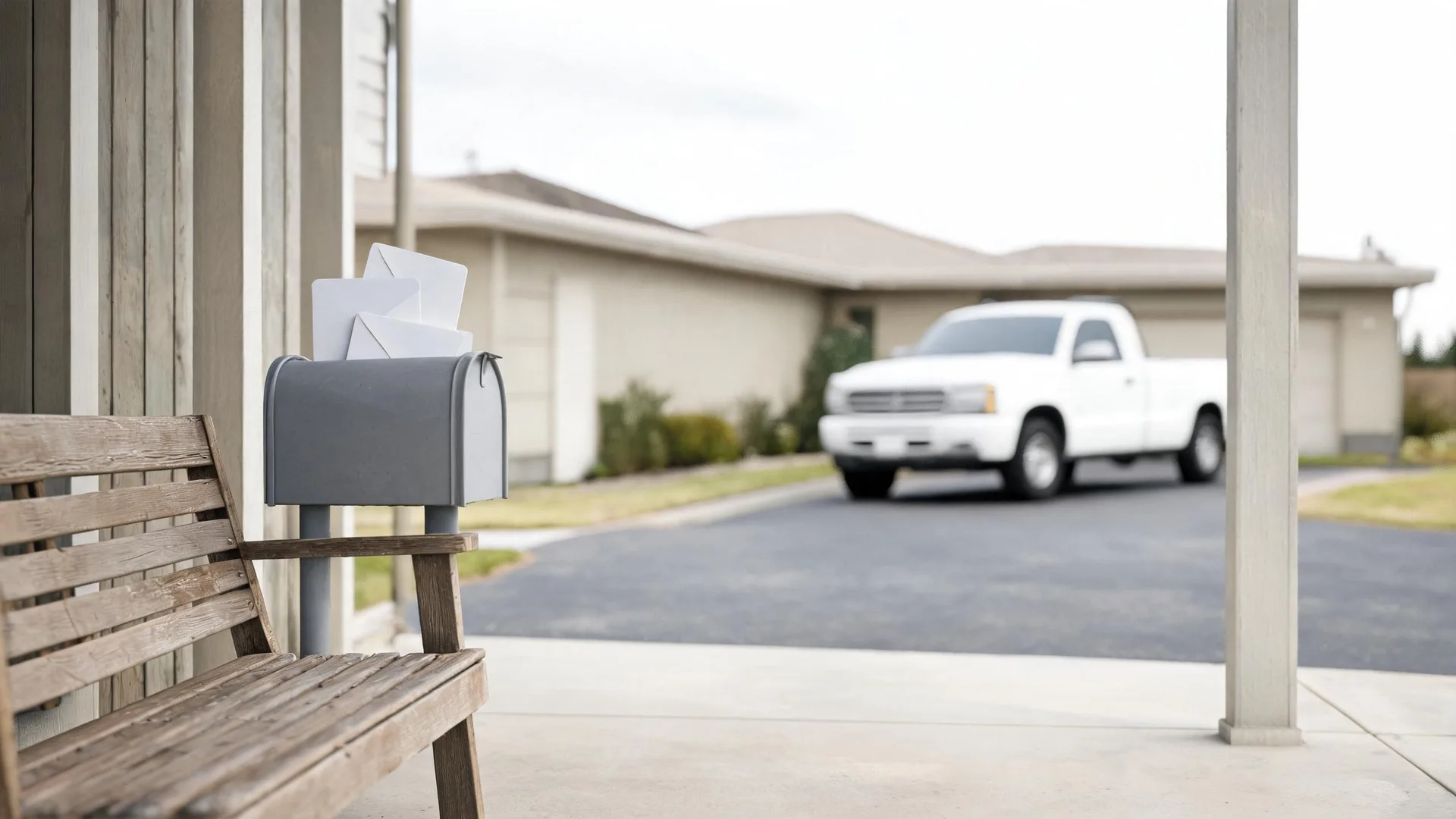
Roadside assistance also comes as a standalone membership, bought apart from any car insurance policy. These plans are typically built around the person, not the vehicle, so they can cover you in any car you're driving, including a rental or someone else's car.
The tradeoff is usually in how many service calls you get and what counts as covered, not in which car you're driving. Read the terms for limits on how often you can use it in a year.
If you have both an insurer's roadside add-on and a separate membership, you likely have overlapping coverage. It's worth comparing the two before you renew either one, since you may be paying twice for the same kind of help.
For someone who drives several different cars, often a spouse's car, a child's car, or a rental on trips, a person-based plan can be worth more than a vehicle-based one, even if the vehicle-based one is cheaper.
Questions people ask about this
Does roadside assistance cover me in a rental car?
It depends on whether your coverage is tied to you or to your vehicle. If it follows you as the driver, a rental car is usually covered. If it's tied to the car on your policy, it isn't. Check your policy wording or ask your insurer before you rent.
Can I add roadside assistance to just one car on my policy?
Many insurers let you choose which vehicles on a multi-car policy have roadside assistance, since it's often priced per car. Ask your insurer how it's set up on your policy, since this varies by insurer.
Does roadside assistance cover someone else driving my car?
If your coverage is based on the vehicle, yes, it applies no matter who is driving it. If it's based on you as the named driver, it may not extend to someone else behind the wheel. Confirm which type you have with your insurer.
Is roadside assistance worth it if I already have a car warranty?
Some car warranties include roadside help for a set period, which can overlap with coverage through your insurer. Compare what each one covers and for how long before deciding whether to keep both.
What's the difference between roadside assistance and towing coverage?
Towing coverage usually pays to have your car moved to a shop, while roadside assistance can include other help like a jump start, a flat tire change, or getting locked out. Check your policy to see exactly what's included under each term, since insurers don't all use them the same way.
See what roadside coverage looks like from a few different insurers before you decide what you need.
Pull out your current policy or log into your insurer's account and find the section on roadside assistance or towing. Look for whether it names a driver or a vehicle, and call your insurer if the wording isn't clear. If you drive cars other than your own with any regularity, ask directly whether you'd be covered in that situation. If you're comparing a standalone membership against your insurer's add-on, write down what each one covers and how many calls it allows, so you're comparing the same thing. Do this before your next renewal, since that's when you can change or add coverage without waiting on a new policy term.