Driving Alone Again After Losing a Spouse
Your insurance still works the same way, but the policy itself probably needs a second look.
Free to compare
Your coverage still works. The policy needs updating.
Losing a spouse doesn't change your ability to drive or your right to be insured. But it almost always means the policy needs attention, because it was likely written around two drivers and sometimes two cars.
If your spouse was the named policyholder, the account may need to move into your name. If their car is no longer being driven, that affects what you're paying for. Neither of these happens on its own. Someone has to make the call and ask for it.

Whose name is on the policy
If the policy was in your spouse's name, you're now the one who needs to be listed as the policyholder. Insurers handle this differently. Some ask for a death certificate, some ask for other documentation, and the process varies by company.
Until that change is made, there can be confusion about who the insurer will talk to, what notices go where, and whether a claim gets paid without delay. Call your insurer and ask directly what they need from you to put the policy in your name.
This is also the moment to ask about anything that was priced as a multi-driver or multi-car discount. If your spouse was the other driver on the policy, removing them can change what you pay, in either direction, depending on how the account was set up.
Ask your insurer to walk through the policy line by line. You want to know what's still there because it still applies, and what's still there out of habit.
What happens to your spouse's car
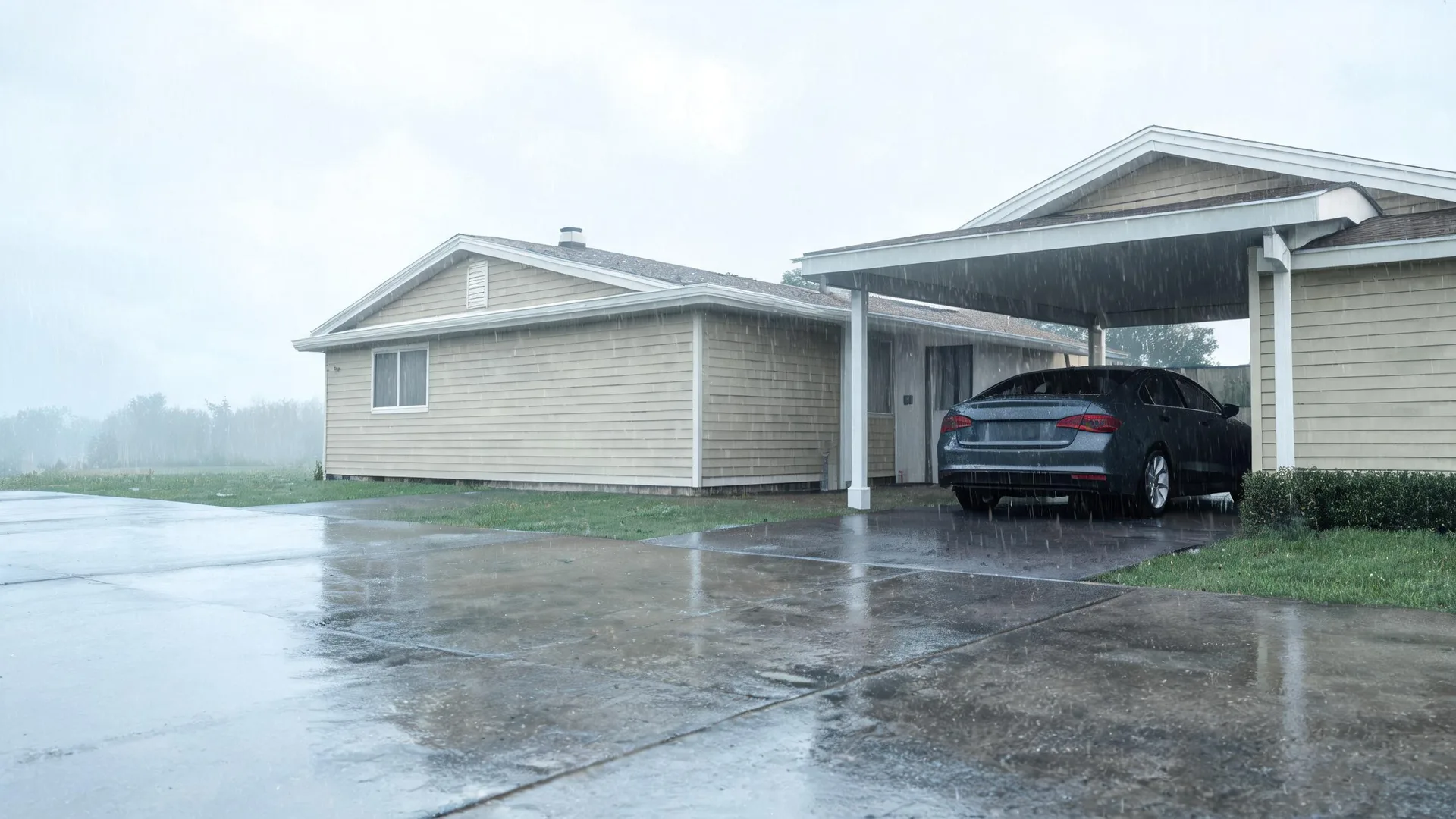
If your spouse had their own vehicle, you'll need to decide what happens to it. If it's being sold, transferred, or simply parked, your insurer needs to know, because an unused car sitting on your policy as active coverage usually isn't the cheapest way to insure it.
If you're keeping the car and plan to drive it yourself sometimes, say so. There may be a difference between a car that's insured for occasional use and one that's insured for a daily driver, and that distinction matters for both cost and coverage.
If the car is going to sit unused for a while, ask your insurer what your options are. Some allow a reduced form of coverage for a vehicle that isn't being driven, which still protects it from things like theft or weather damage without paying for the parts of coverage tied to driving.
None of this resolves itself. The sooner you call, the sooner the policy reflects what's actually happening with the cars in your household.
Questions people ask about this
Do I need to tell my insurer that my spouse passed away?
Yes. Insurers need to know who the actual policyholder is and who is actually driving the insured vehicles. This isn't optional paperwork, it affects how claims get handled and who the insurer is legally dealing with.
Will my insurance go up if I'm the only driver now?
It depends on how the policy was priced before. Some households get a discount for having multiple drivers or multiple vehicles, and losing that can raise the cost per car. Ask your insurer to explain the specific discounts that applied to your policy so you know what changes.
What do I do with my spouse's car if I'm not driving it?
Tell your insurer it's no longer being driven regularly. Depending on the company, you may be able to switch it to a reduced form of coverage that still protects against theft or damage while it sits unused, rather than paying for full coverage on a car that isn't on the road.
Can I stay on the same insurance company after this change?
In most cases yes, the policy gets updated rather than replaced. But it's still worth asking whether your current insurer is the right fit once the household and the vehicles have changed, since the original policy may have been shaped around circumstances that no longer apply.
Should I review my coverage limits now that I'm driving alone?
It's a reasonable time to look at them again. Coverage that made sense for two drivers and two incomes may not fit your situation now. Ask your insurer or agent to go through your liability limits and any add-on coverage with you so you understand what you're paying for and why.
See what driving alone would actually cost before you change anything on the policy.
Call your insurer this week and tell them about the change, even before you've decided what to do with any vehicles. Ask what documents they need to update the policy into your name. Ask them to go through the policy with you, discount by discount, so you understand what's tied to having had two drivers or two cars. If a vehicle is going unused, ask specifically about reduced coverage options for it rather than canceling coverage outright. Once you know where the current policy stands, it's worth comparing quotes from other insurers to see whether your situation is better served elsewhere.