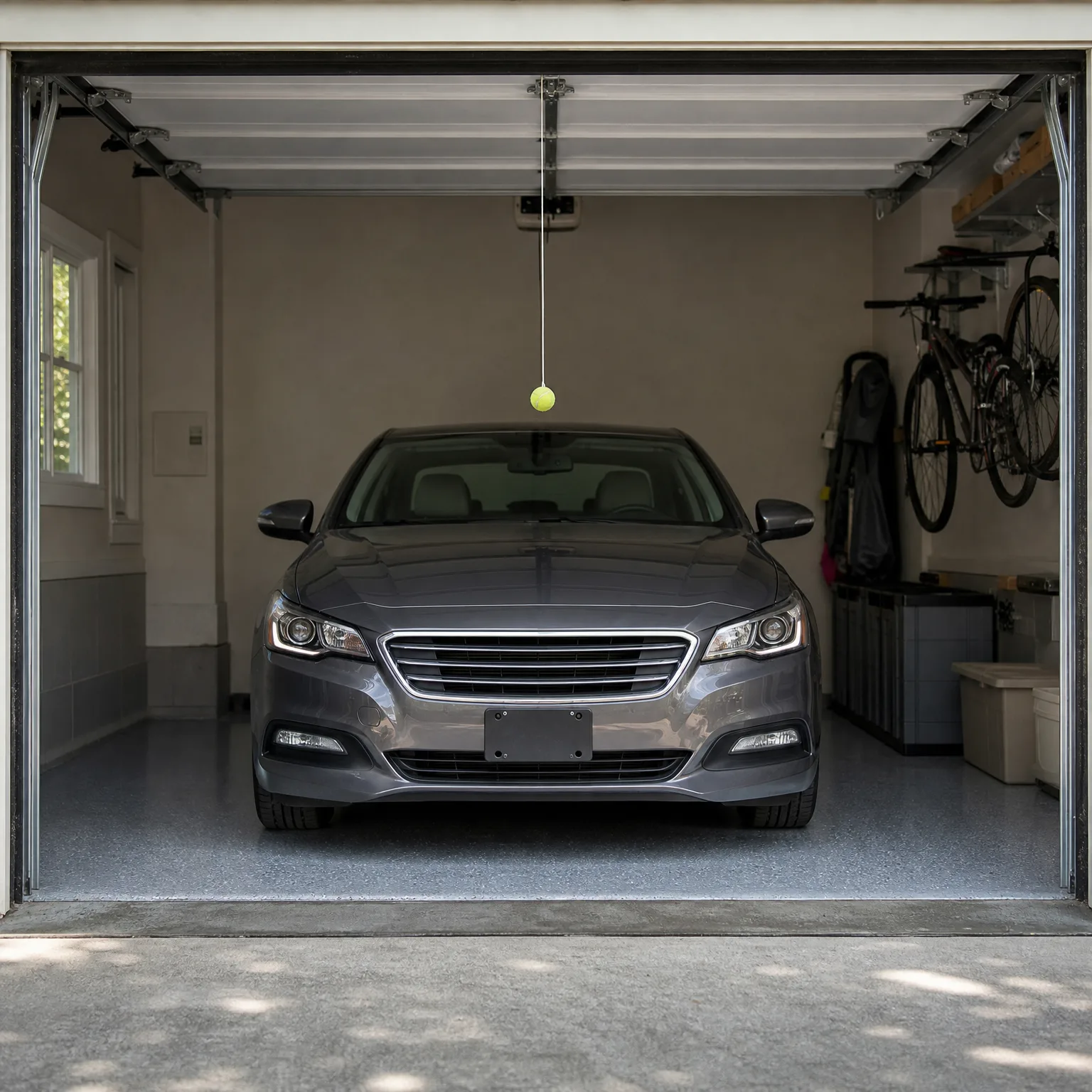
Driving Only in Daylight and Close to Home
A restriction like this can lower what you pay, but only if your insurer knows about it and your policy reflects it.
Free to compare
It usually helps, but only once it's on record
If a doctor, a license examiner, or the state has restricted you to daylight driving and short trips near home, that can work in your favor on your insurance. Insurers price risk partly on when and how far you drive, so fewer miles and no night driving often means a lower rate.
But the restriction has to actually be on your driving record or your license for your insurer to count it. If it's just something your family agreed on, or something your doctor suggested but didn't report, your insurer has no way to know. What you can do about it depends on whether the restriction is official or informal, and that's worth sorting out first.

Whether the restriction is on your license
A restriction printed on your license, like a code limiting you to daylight hours or a set radius from home, is a fact your insurer can verify. When you report it or when it shows up on your motor vehicle record, the insurer can adjust your rate because they now have a narrower, more predictable picture of your driving.
An informal limit you've set for yourself is different. Maybe your eyesight has gotten worse at night, or your family asked you to stay close to home, but nothing was ever filed with the DMV. Insurers generally price based on the coverage and driver profile on file, not on habits they haven't been told about. If you want credit for driving less and only in daylight, ask your insurer whether they have a low-mileage or usage-based option that can reflect it.
If you're not sure whether your license carries a restriction, your state's DMV or motor vehicle agency can tell you what's listed on your record. That's the place to confirm it, not a guess based on what you remember agreeing to.
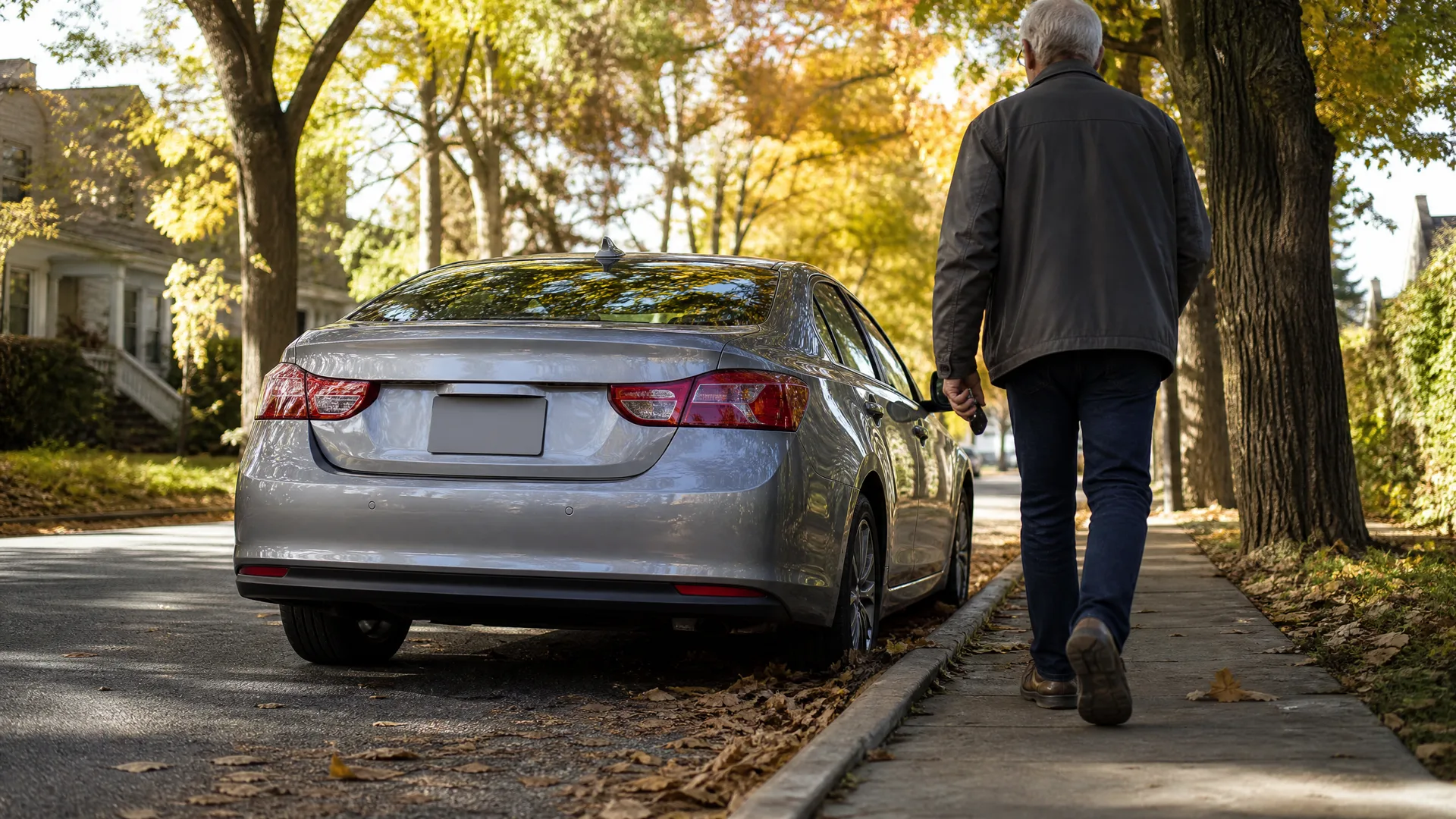
How your insurer finds out
A restriction doesn't change your premium automatically. Most insurers rely on you to tell them, or they pick it up when they pull your motor vehicle record at renewal. If you've recently had your license restricted, it's worth calling your insurer directly and telling them, rather than waiting for it to show up on its own.
Some insurers also offer programs that track actual driving, including time of day and distance. If daylight driving and short trips are now your pattern, one of these programs might reflect that more accurately than a standard policy does. Not every insurer offers this, and the details vary, so it's a question to ask directly rather than assume.
It also helps to know that a license restriction is not the same as a suspension or a violation. Telling your insurer about a restriction shouldn't be confused with reporting a problem. It's information that can work in your favor, but only if it reaches them.
Questions people ask about this
Will my insurance company find out about a license restriction on its own?
Not always right away. Insurers often check your motor vehicle record at renewal, but that can be months after a restriction is added. Calling and telling them directly is the more reliable way to make sure it's reflected sooner.
Can I lose my license entirely if I don't follow a daylight-only restriction?
That's a question for your state's DMV, since rules on violating a license restriction vary by state. Generally, driving outside the terms of a restricted license is treated as a violation, so it's worth confirming what your state does in that case.
Does a daylight-only restriction affect my ability to get coverage at all?
No, a restriction like this doesn't typically make you uninsurable. It describes when and how you're allowed to drive, not whether you're a safe driver, so most insurers treat it as a detail that narrows your risk rather than one that raises it.
What's the difference between a restriction and a condition on my license?
States use different terms, so it's worth asking your DMV how they classify it. Generally a restriction limits how or when you can drive, like daylight hours only, while a condition might require something like corrective lenses, and insurers may treat these differently.
Should I mention a daylight-only restriction when I'm comparing quotes?
Yes, it's worth mentioning. Giving an accurate picture of your driving, including any restriction, helps insurers quote you more precisely, and it avoids a mismatch later if your official record doesn't match what you told them.
See how insurers price a driving record like yours before you commit to a renewal.

Start by checking your official motor vehicle record to confirm exactly what restriction is listed and since when. Then call your current insurer and ask them directly whether that restriction is reflected in your premium, and if not, what you need to send them. Ask specifically whether they offer a low-mileage or usage-based program, since that may fit your situation better than a standard policy. While you're at it, this is a good time to compare quotes from a few insurers, since not all of them weigh a restriction the same way.