Filing a Car Accident Claim in Iowa for Seniors
The steps are the same as for any driver, but how the claim affects your rate depends on fault and on your insurer's own rules for older drivers.
Free to compare
Report it to your insurer first, then let the claims process play out
Call your insurer as soon as you can after the accident, even if you think the other driver was at fault. Iowa also requires you to report accidents with injury, death, or significant property damage to the state or local police, and the officer's report becomes part of what your insurer uses to sort out fault.
Once the claim is open, an adjuster reviews the police report, any photos, and both drivers' accounts to decide who was at fault and how much the damage is worth. What happens to your premium afterward depends on whether you're found at fault, how your insurer treats accidents for drivers your age, and whether you have accident forgiveness on your policy.
Fault decides more than the accident itself
Iowa follows a fault based system, which means the driver found responsible for the accident is the one whose insurance pays for the damage and injuries. If you're not at fault, your claim usually goes against the other driver's policy, and your own rate is less likely to move.
If you are found at fault, or partly at fault, the claim goes against your policy and that can affect your premium at renewal. Iowa uses a comparative fault rule, so even being found partly responsible can reduce what you're able to recover from the other driver.
Get a copy of the police report once it's filed and read it carefully. If you disagree with how fault was recorded, ask your insurer how to contest it and what evidence they'd need, like photos, witness statements, or a dashcam recording.
Some insurers also ask about any prior accidents or claims when they reassess your rate, so an old claim resurfacing alongside a new one can compound the effect.
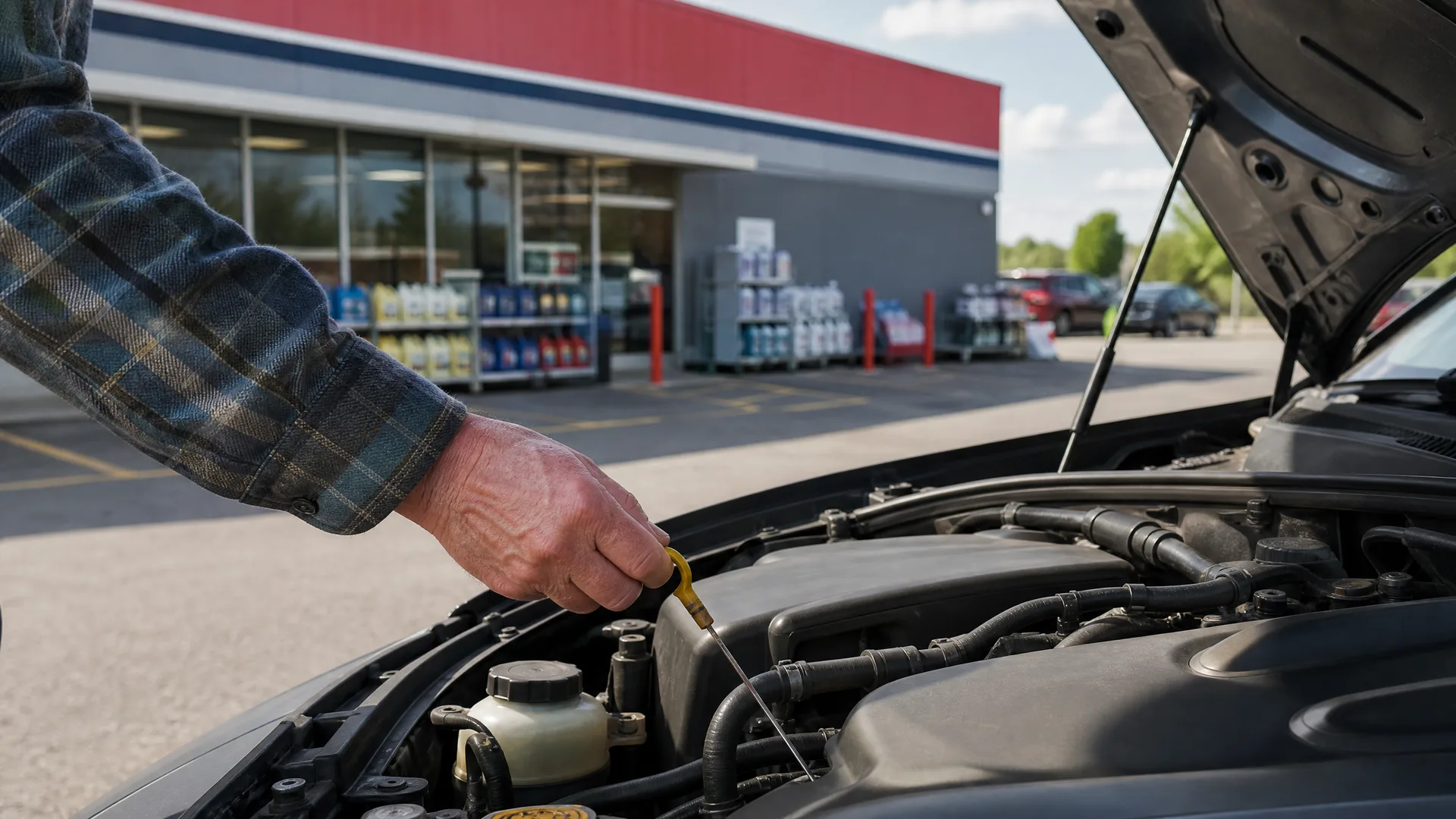
How your insurer treats accidents at your age varies by company
Some insurers have programs that protect your rate after a first at fault accident, often called accident forgiveness. If you have this on your policy, ask your agent directly whether it applies before you assume it will.
Other insurers review a policy more closely once the driver is older, regardless of forgiveness programs, and may ask for things like a recent vision test or a defensive driving course certificate at renewal. This isn't a rule across all companies, so check your renewal notice or ask your agent what triggered any review.
If your insurer raises questions about your ability to drive safely after an accident, that's a conversation worth having directly with them or with your agent, since the standards for that aren't the same everywhere.
If your rate does go up after a claim, it's worth getting quotes from other insurers before you renew. Not every company weighs a single accident the same way, especially if your record before this was clean.
Questions people ask about this
Do I have to report a minor car accident to the police in Iowa?
Iowa requires a report when there's injury, death, or property damage over the state's threshold, so check the current threshold with local police or the Iowa DOT if you're unsure your accident qualifies. Even when it's not required, a police report can help later if the other driver disputes fault. If no officer responds to the scene, you can usually file a report at a police station afterward.
Will my insurance rate go up if the accident wasn't my fault?
It's less likely, but not guaranteed, since some insurers consider how many claims you've filed regardless of fault. Ask your agent directly whether a not at fault claim affects your policy with them. If it does, that's worth knowing before you file, since you may have a choice about whether to go through insurance for minor damage.
What if the other driver doesn't have insurance?
Iowa requires drivers to carry liability coverage, but if the other driver is uninsured or underinsured, your own uninsured motorist coverage can step in if you have it. Check your policy to see if you carry this coverage and what it covers. If you don't have it, ask your agent whether adding it makes sense given how you drive now.
Can my family help me file the claim if I'm not comfortable doing it alone?
Yes, most insurers allow a family member or other authorized person to assist with a claim, though the policyholder typically still needs to confirm details directly at some point. Ask your insurer what they allow and whether you can add someone as an authorized contact on the account. Having someone else there to take notes or ask questions at the scene can also help if the moment itself is stressful.
Does a car accident claim affect my license in Iowa?
A single accident usually doesn't affect your license on its own, but the Iowa DOT can review a driver's record if there's a pattern of accidents or a report raises concerns about ability to drive safely. This isn't about age specifically, it applies to any driver. If you receive a notice from the DOT after an accident, read it carefully and respond by whatever deadline it states.
See how other insurers might treat this claim before your renewal arrives.

Get a copy of the police report once it's available and keep it with your insurance paperwork. Call your insurer to open the claim if you haven't already, and ask them directly how this particular accident is likely to affect your renewal. If you have accident forgiveness or any age related review on your policy, ask your agent to explain exactly how it applies to your situation. Once the claim is settled, compare quotes from a few other insurers before your renewal date, since companies don't all weigh a single accident the same way.
Senior car insurance in Iowa: rates, discounts and what the state requires