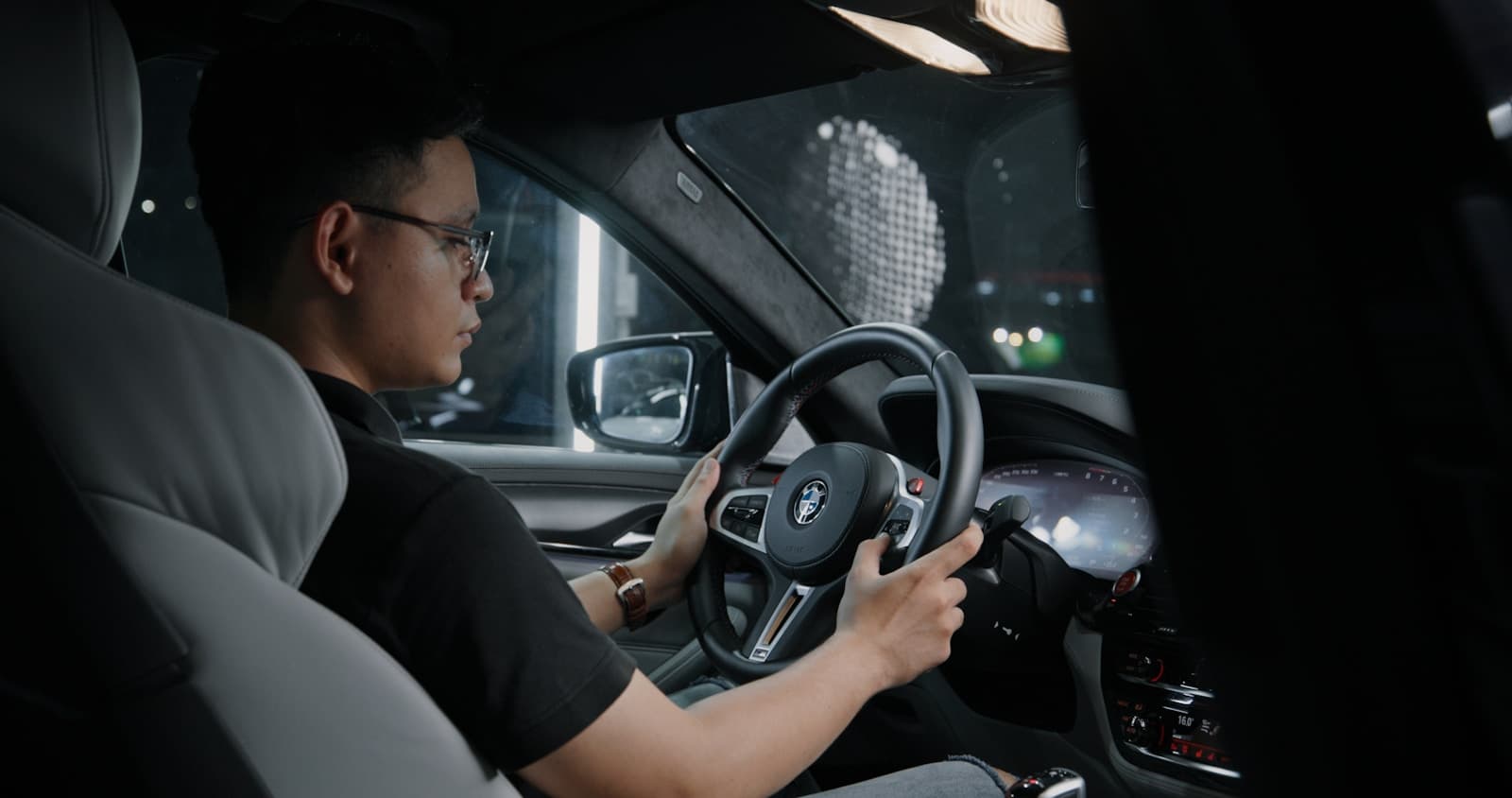
The cars marketed as "senior-friendly" often miss what experienced drivers actually need: easy visibility, intuitive controls without touchscreen reliance, and safety tech that assists without overwhelming. Here's what to prioritize when your next vehicle needs to support another decade of safe driving.
Why Standard Safety Ratings Miss What Senior Drivers Actually Need
IIHS Top Safety Pick awards and five-star NHTSA crash ratings measure how well a car protects occupants in a collision, but they don't account for whether a 70-year-old driver can comfortably see over the dashboard, quickly locate the hazard lights, or reverse without relying entirely on a backup camera screen. A 2023 AAA study found that 73% of drivers over 65 reported difficulty using touchscreen infotainment systems while driving, yet many 2025-2026 model years have moved climate controls and basic functions entirely to touchscreens. The safest car on paper becomes less safe in practice if the driver is navigating menus to defrost the windshield.
Vehicle height matters more than most buyers realize. Cars with a seat height of 20-24 inches from the ground — typical of small SUVs and crossovers — reduce the physical effort required to enter and exit, and provide better sightlines over traffic compared to sedans. The 2026 Honda CR-V, Subaru Forester, and Mazda CX-50 all offer this seating position with standard blind-spot monitoring and rear cross-traffic alert, which compensate for the reduced neck mobility many drivers experience after 65. These aren't luxury features anymore; they're baseline safety tools for experienced drivers managing the realities of aging joints and reflexes.
Controls you can operate by feel — physical buttons for wipers, turn signals with a tactile click, volume knobs — reduce the cognitive load of driving. The 2026 Mazda CX-5 and Toyota Camry retain physical HVAC controls and clearly labeled stalks, while competitors like the Tesla Model Y require multi-step touchscreen navigation for functions you previously handled without looking. If you've driven for 40 years using muscle memory, a car that forces you to relearn basic operations through a screen introduces new risk, regardless of its collision avoidance technology.
Top Safety Features That Actually Support Senior Drivers
Automatic emergency braking (AEB) is now standard on most 2026 models, but the sensitivity settings vary widely. Systems tuned too aggressively can brake unexpectedly in heavy traffic or when a driver intentionally closes distance, creating confusion and rear-end risk from following vehicles. The 2026 Subaru Outback, Honda Accord, and Toyota Highlander allow drivers to adjust AEB sensitivity or disable it temporarily without accessing buried menu settings — a critical option for drivers who want the backup protection but not constant intervention.
Blind-spot monitoring and rear cross-traffic alert have proven value for all age groups, but they're particularly important for drivers with reduced range of motion. A 2022 Insurance Institute for Highway Safety (IIHS) study found that blind-spot monitoring reduced lane-change crashes by 14% and injuries from those crashes by 23% across all driver ages. For senior drivers who may have arthritis or reduced neck flexibility, these systems eliminate the need for aggressive shoulder checks. The 2026 Hyundai Tucson, Kia Sportage, and Mazda CX-50 include these as standard equipment, not premium add-ons.
Lane-keeping assist should be viewed as an optional aid, not a necessity. Some drivers over 65 report that lane-centering systems feel intrusive or cause them to relax attention on highway drives. The key is whether the system can be easily turned off for a single trip without disabling other safety features. The 2026 Honda CR-V and Toyota RAV4 allow one-button deactivation of lane-keeping while maintaining forward collision warning and AEB. Avoid systems that require drilling through touchscreen menus to disable — you want control, not a fight with the car every time you drive.
Parking sensors and 360-degree cameras have become standard on many midsize SUVs, and they meaningfully reduce low-speed parking lot incidents. The 2026 Subaru Forester and Hyundai Santa Fe include front and rear parking sensors with audible alerts, which help in tight spaces where visibility is limited. These systems work best when they supplement your judgment, not replace it — treat them as a second check, especially in crowded grocery store or medical office lots where pedestrian traffic is unpredictable.
Compare rates from carriers that specialize in senior drivers
Mature driver discounts, low-mileage rates, and coverage reviews — see what you're actually eligible for.
Get Your Free Quote✓ Mature Driver Discounts✓ No Obligation✓ Licensed Carriers✓ All 50 States
Specific 2026 Models That Balance Safety and Usability
The 2026 Subaru Outback remains a top choice for senior drivers prioritizing all-weather capability and visibility. Standard all-wheel drive provides confidence in rain and light snow, the raised seating position offers excellent sightlines, and EyeSight driver assistance includes AEB, adaptive cruise control, and lane-keeping that can be toggled off with a single steering wheel button. Pricing starts around $29,000, and Subaru's safety systems activate without requiring subscription fees — a consideration as more manufacturers move features behind paywalls after the first three years.
The 2026 Honda CR-V combines high build quality, a spacious cabin, and intuitive controls that don't rely on touchscreen hunting. Physical buttons manage climate, volume, and tuning, while the available blind-spot monitoring integrates into side mirrors rather than dashboard screens. The hybrid model achieves approximately 40 mpg combined, which matters on a fixed income when fuel prices fluctuate. Honda's Sensing suite is standard across all trims, providing AEB, road departure mitigation, and adaptive cruise without stepping up to premium packages.
For drivers who prefer sedans, the 2026 Toyota Camry offers a lower entry price (around $27,000 base) with Toyota Safety Sense 3.0 standard, including AEB with pedestrian detection, lane departure alert, and automatic high beams. The Camry's interior layout has remained consistent for years, meaning drivers upgrading from a 2015-2020 model will find familiar control placement. Rear visibility is better than many crossovers, and the trunk is large enough for groceries, medical equipment, or golf clubs without requiring a lift-over height that strains the back.
The 2026 Mazda CX-5 earns recommendation for drivers who want a more engaging drive without sacrificing safety. Mazda's approach to driver assistance is less intrusive than competitors — systems provide warnings and support but don't aggressively take over. The interior uses a rotary control dial for infotainment rather than forcing touchscreen use while driving, and the driving position is comfortable for adults 5'4" to 6'2". Pricing is competitive with the CR-V, and Mazda's reliability record has improved significantly over the past decade.
What to Test Drive Before You Buy
Schedule a test drive that mimics your actual driving routine — not a 10-minute loop around the dealership. Drive to your grocery store, your doctor's office, or another frequent destination. Pay attention to whether you can find the wiper controls without looking down, whether the backup camera is clear in bright sunlight, and whether the seat provides lower back support after 20 minutes. Many senior drivers report that cars feel fine on a short test loop but cause discomfort or visibility issues on longer trips.
Test the entry and exit process multiple times. Open the door fully and check whether it requires more effort than your current vehicle. Sit down and stand up from the driver's seat — if you need to brace yourself on the door frame or steering wheel, the seat may be too low or the door opening too narrow. The 2026 Subaru Forester, Honda CR-V, and Toyota RAV4 all offer seat heights and door openings that accommodate drivers with limited flexibility, but individual comfort varies. Bring a spouse or friend to observe your entry and exit for signs of strain you might not notice yourself.
Evaluate the visibility of dashboard displays and mirrors in the lighting conditions you drive most. If you frequently drive at dawn or dusk, check whether dashboard glare obscures the speedometer or backup camera. If you drive at night, verify that instrument panel brightness can be dimmed significantly — many newer cars default to bright white displays that cause eye fatigue. The 2026 Mazda CX-50 and Subaru Outback offer customizable display brightness and contrast, which makes a measurable difference on night drives.
Ask the dealer to disable or turn off driver assistance features during the test drive so you can evaluate the car without interventions. Then re-enable them one at a time to understand how each system behaves. Some lane-keeping systems gently nudge you back toward center; others jerk the wheel aggressively. Some forward collision warnings beep softly; others sound alarms that startle. You want to know how these systems will behave in real-world use, not just that they exist on the spec sheet.
How Your Vehicle Choice Affects Insurance Costs
The 2026 models with the highest safety ratings — IIHS Top Safety Pick+ winners like the Subaru Outback, Honda CR-V, and Mazda CX-50 — typically qualify for insurance discounts ranging from 5% to 15% depending on your carrier and state. These discounts apply to collision and comprehensive coverage, which are the portions of your premium most affected by vehicle choice. If you're keeping full coverage on a financed or leased vehicle, choosing a Top Safety Pick model can reduce your annual premium by $80 to $200 compared to a vehicle without top-tier ratings.
Vehicles with high theft rates or expensive repair costs increase your comprehensive and collision premiums regardless of safety features. The 2026 Hyundai and Kia models, despite improved anti-theft measures, still carry higher insurance costs in many states due to the 2021-2023 theft trend that affected older models in those brands. If you're comparing a 2026 Kia Sportage to a 2026 Mazda CX-5 with similar safety features, request insurance quotes for both before deciding — the difference can exceed $30/month in some markets.
If you're replacing a paid-off vehicle and considering whether to maintain full coverage, your new vehicle choice directly affects that cost-benefit analysis. A $28,000 Subaru Forester may justify comprehensive and collision coverage for 7-10 years, while a $42,000 luxury crossover with the same safety ratings will cost significantly more to insure and may not provide proportional value if you drive fewer than 7,500 miles annually. Many senior drivers find that mid-tier models with strong safety records offer the best balance of protection and insurance cost. For drivers who decide not to replace a vehicle at all — borrowing family vehicles or relying on rideshare — but who also need to satisfy an SR-22 filing from a recent suspension, non-owner occasional-driver SR-22 coverage handles both the filing and the borrowed-vehicle liability question without tying the policy to a specific car.
State-Specific Considerations for Vehicle Safety Requirements
Some states offer insurance discounts or registration fee reductions for vehicles equipped with specific safety technology. New York, for example, allows insurers to offer discounts of up to 10% for vehicles with AEB and other driver assistance systems, though not all carriers apply this automatically — you need to ask. Florida and California have similar provisions, but the discount eligibility and amounts vary by insurer. Before finalizing a vehicle purchase, check your state's requirements and ask your insurance agent which safety features qualify for rate reductions.
Inspection requirements also vary. States with annual safety inspections — including New York, Pennsylvania, Texas, and Virginia — will verify that all installed safety systems are functional. If your 2026 vehicle's backup camera or AEB system malfunctions, it may prevent the car from passing inspection until repaired. This creates an ongoing maintenance consideration: vehicles with more complex sensor arrays may require costlier repairs to maintain compliance. The 2026 Toyota and Honda models have strong parts availability and competitive repair costs compared to luxury brands with similar technology.
Some states have begun offering mature driver course discounts that stack with vehicle safety discounts. Illinois, for instance, mandates that insurers offer mature driver course discounts and allows additional reductions for vehicles with advanced safety features. Completing an approved course (typically 4-8 hours, available online or in-person through AARP or AAA) can reduce your premium by 5-10%, and pairing that with a safety-rated vehicle can compound the savings. Check your state's requirements — in some cases, the course discount is larger than the vehicle discount.