Hail Coverage for Seniors
Hail damage to a car is covered under comprehensive coverage, and a driver's age has little to do with whether that coverage pays out.
Free to compare
Comprehensive coverage pays for hail damage
If a hailstorm dents your hood or cracks your windshield, that falls under comprehensive coverage, not liability and not collision. Comprehensive is the part of a policy that covers damage from things other than a crash: hail, falling branches, a cracked windshield from a rock. If you carry it, hail damage is covered regardless of your age.
The real question for most older drivers isn't whether hail is covered. It's whether they still carry comprehensive coverage at all. Some drivers drop it on an older car to save money, and once it's gone, hail damage comes out of their own pocket. Check your policy's declarations page. If comprehensive isn't listed, hail damage isn't covered no matter how old the car or the driver is.
Whether you still carry comprehensive coverage
Comprehensive coverage is optional once a car is paid off. A lender requires it while there's a loan or lease, but after that, nothing forces you to keep it. Some drivers drop it on an older vehicle because the premium feels high relative to what the car is worth.
That decision is worth revisiting every so often, not just once. A car that's a few years old can still cost a meaningful amount to repair after a hailstorm. Dents across a hood and roof add up fast, and without comprehensive coverage, that repair is entirely on you.
If you're unsure whether you have it, your declarations page will list comprehensive coverage and the deductible that applies to it. If it's not there, call your insurer and ask what it would cost to add it back. For many older cars, the premium is lower than people expect, because the vehicle's value is lower too.
How your deductible affects what you actually get paid
Comprehensive coverage comes with its own deductible, separate from your collision deductible. After a hailstorm, your insurer pays for the repair minus that deductible. A higher deductible means a lower premium, but it also means more comes out of your pocket when hail hits.
Some insurers offer a separate, lower deductible just for glass damage, since windshields are one of the most common things hail cracks. Ask your insurer whether that applies to your policy. It can make a real difference if a storm cracks your windshield but leaves the rest of the car untouched.
If you live somewhere hail is common, it's worth asking your insurer directly how your deductible is structured and whether a glass endorsement is available. That's a policy detail, not something tied to your age, and it varies by insurer.
Questions people ask about this
Does filing a hail damage claim raise my insurance rate?
Comprehensive claims, including hail damage, are generally treated differently from at-fault accident claims because the damage wasn't caused by anything you did. Many insurers don't count a comprehensive claim against you the way they would a collision claim. Ask your insurer directly how they handle comprehensive claims, since this varies by company.
Will my insurer total my car after hail damage?
An insurer totals a car when the cost to repair it exceeds a set percentage of its value, a threshold that's set by the insurer and sometimes by state rule. Hail can cause enough cosmetic damage across a roof, hood, and trunk to add up quickly, even if the car still runs fine. If your car is older and worth less, it's more likely to be declared a total loss after widespread hail damage than a newer car would be.
Can I get a rental car while my hail-damaged car is being repaired?
Only if you added rental reimbursement coverage to your policy. It doesn't come automatically with comprehensive coverage. Check your declarations page or ask your insurer whether you have it, and if not, ask what it would cost to add before the next storm season.
Does where I park my car affect my hail coverage?
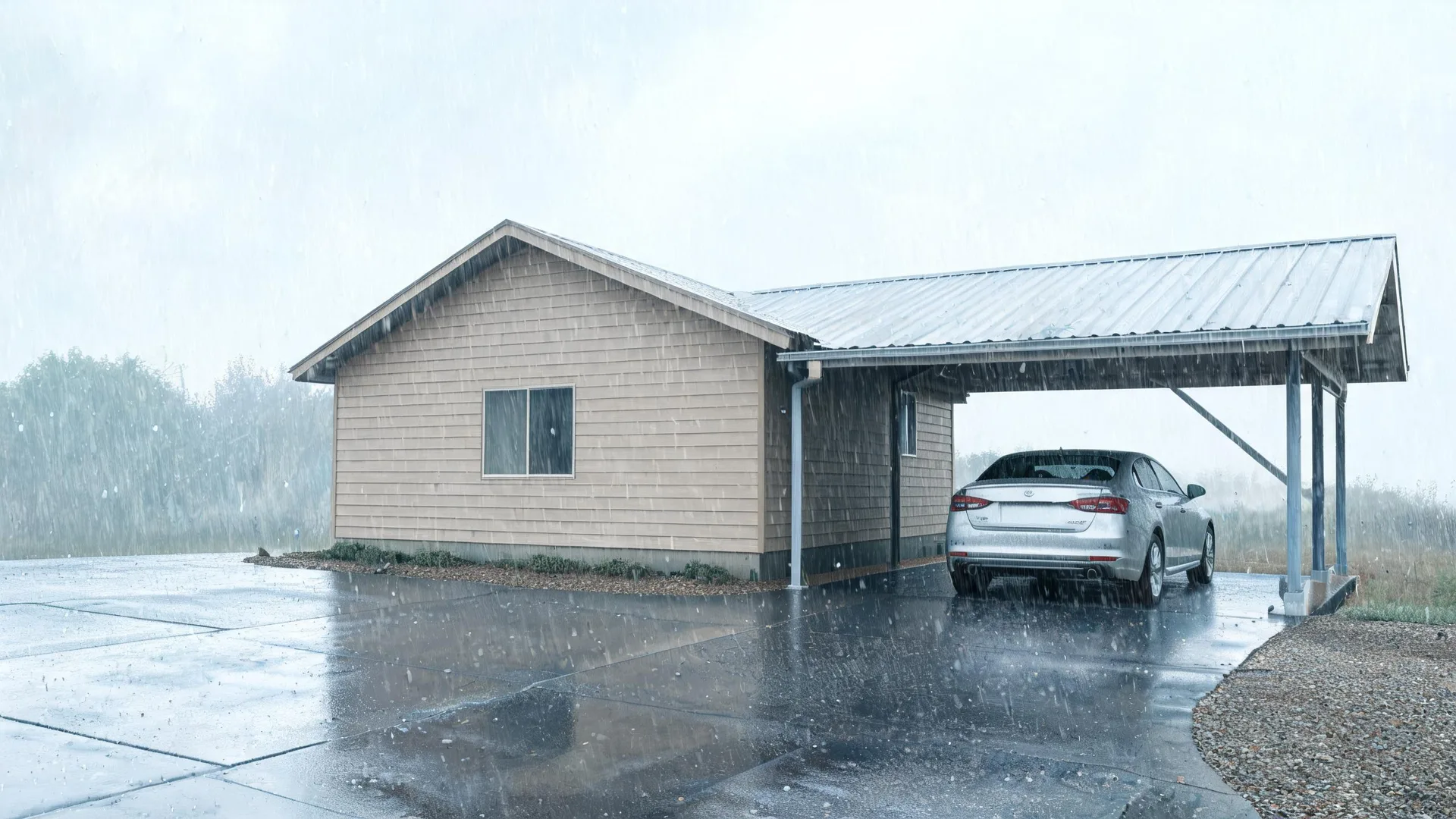
Parking in a garage doesn't change whether hail damage is covered, but it reduces the chance you'll need to file a claim at all. Some insurers ask where a car is typically parked overnight when they set the premium, since it affects risk. If you have covered parking available, it's worth asking your insurer whether it has any bearing on your premium.
Should I repair small hail dents myself to avoid a claim?
You can, but check with your insurer first if the damage is more than minor. Paintless dent repair for hail is often less expensive than people assume, and if the cost is close to your deductible, filing a claim may not be worth it. Get an estimate before deciding, and ask your insurer how a claim at that amount would be handled.
See what comprehensive coverage and hail protection cost from insurers in your area.
Pull out your current policy's declarations page and check whether comprehensive coverage is listed, along with its deductible. If you're not sure what you're looking at, call your insurer and ask them to walk through it with you. Ask specifically whether a separate glass deductible applies and whether rental reimbursement is included. If you live in an area with regular hailstorms, ask whether raising or lowering your comprehensive deductible would make sense given your car's current value. Have your vehicle's year, make, and model on hand, since that affects what repairs and replacement would actually cost.