Hit by an Uninsured Driver in Pennsylvania
Your own uninsured motorist coverage, if you bought it, is what pays you when the other driver has no insurance.
Free to compare
Your uninsured motorist coverage pays, if you have it
In Pennsylvania, the driver who hit you is still responsible for your damage, but if they have no insurance, there is nothing to collect from them directly. That's what your own uninsured motorist coverage is for. It pays for your injuries as if the other driver had a policy, up to the limits you chose when you bought it.
Pennsylvania insurers have to offer this coverage, but you can turn it down in writing. If you did, there's no fallback unless the other driver has assets worth pursuing, which is rare and usually not worth the cost of a lawsuit. So the first thing to check is your own policy, not the other driver's.
Whether you have uninsured motorist coverage
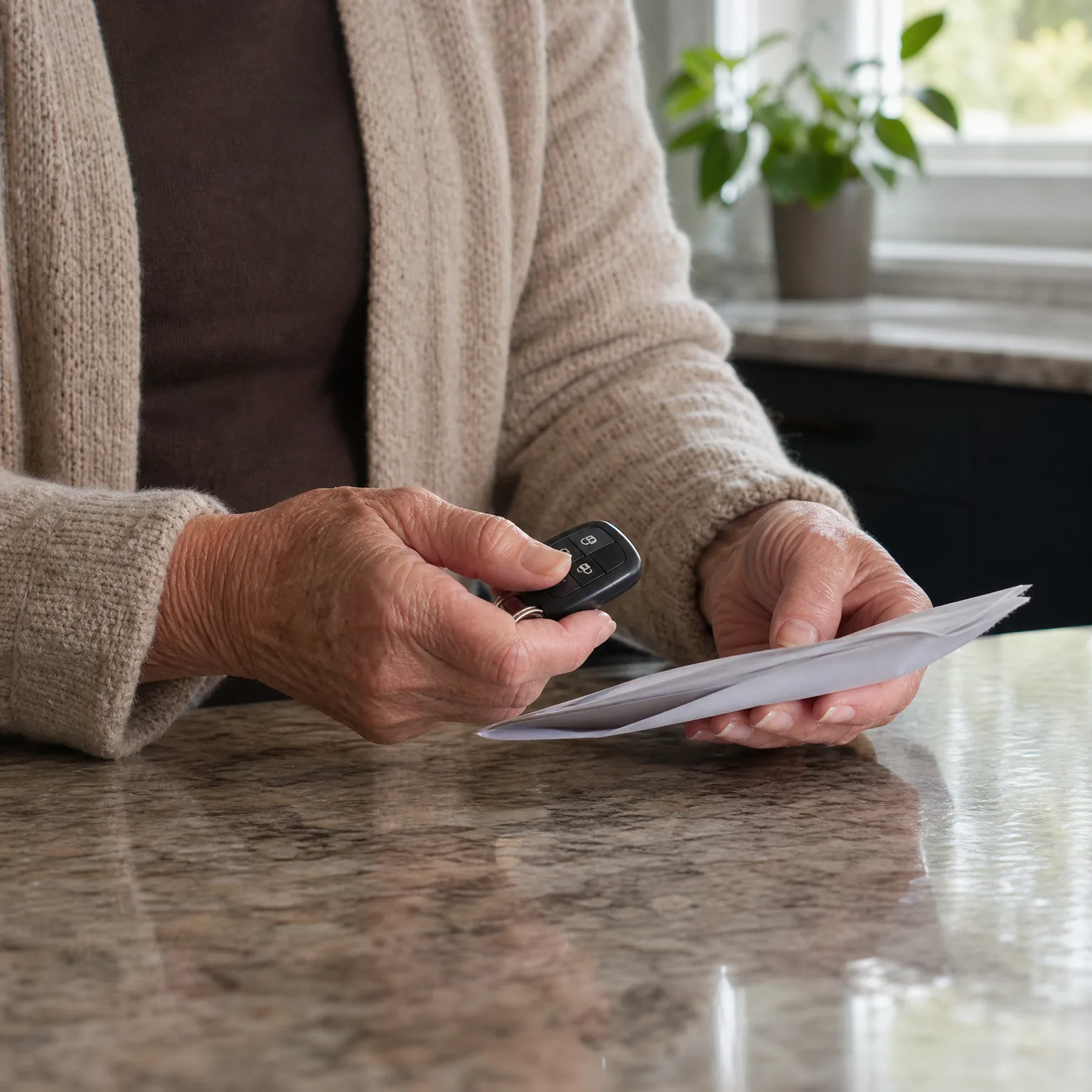
Call your insurer or pull up your policy declarations page and look for uninsured motorist coverage, sometimes listed as UM. If it's there, it covers your medical bills, lost income, and pain and suffering from this crash, within the limit you bought.
If you don't see it listed, you likely signed a waiver declining it when you started the policy. Some drivers do this to lower their premium without realizing what they're giving up. If that's your situation, ask your insurer directly what options you have now, since you can't file a claim for coverage you don't have.
If you're a passenger in someone else's car, or a pedestrian hit by an uninsured driver, their uninsured motorist coverage may apply to you as well. Ask whoever owns that policy to check it.
This coverage is separate from collision coverage, which pays for damage to your car regardless of who caused it. If you have collision coverage, that's a second path to get your car fixed while the uninsured motorist claim for injuries moves separately.
What you still need to do at the scene and after
Call the police and get a report, even though the other driver has no insurance. The report establishes that the crash happened and who was at fault, and your insurer will ask for it when you file your uninsured motorist claim.
Get the other driver's name and information anyway. Your insurer may still want to confirm they were in fact uninsured before paying your claim, and some policies require you to cooperate with that step.
Report the claim to your own insurer promptly. Pennsylvania law sets time limits for filing uninsured motorist claims, and waiting too long can put your claim at risk. Ask your insurer directly what their deadline is.
Keep records of medical treatment and any income you lost from missing work. Your insurer will use these to calculate what your uninsured motorist coverage pays.
Questions people ask about this
Does my insurance go up if I file an uninsured motorist claim in Pennsylvania?
It depends on your insurer's rules, since the crash wasn't your fault but you're still filing a claim on your own policy. Ask your insurer directly how they treat uninsured motorist claims before you decide whether to file.
Can I sue the uninsured driver directly in Pennsylvania?
You can, but collecting from someone with no insurance usually means they also have little in the way of assets or wages to pursue. Most drivers find the uninsured motorist claim through their own insurer is the more realistic path.
What if the uninsured driver fled the scene?
A hit and run by an unidentified driver is typically treated the same as an uninsured driver claim, but you'll need the police report showing you couldn't identify them. Check with your insurer on what documentation they require for this kind of claim.
Does uninsured motorist coverage pay for my car or just injuries?
In Pennsylvania, uninsured motorist coverage is for injuries, not vehicle damage. Repairs to your car after a crash with an uninsured driver come from your collision coverage instead, if you have it.
Should I add uninsured motorist coverage now that this happened?
If you waived it before, you can usually ask your insurer to add it going forward, though it won't apply to the crash that already happened. Ask your insurer what it would cost to add and whether there's a waiting period before it takes effect.
If this is pushing you to look at your coverage again, see what else is out there.
Pull out your current policy and find the declarations page this week. Look specifically for uninsured motorist coverage and note the limit next to it. If you already filed a police report, call your insurer and start the claim rather than waiting. If you find you waived this coverage or the limit looks low, that's worth fixing before anything else happens on the road, and comparing quotes now can show you what it costs to add or raise it with a different insurer.
Senior car insurance in Pennsylvania: rates, discounts and what the state requires