How Blind Spot Collision Warning Works
It watches the lanes beside and behind you and warns you before you change lanes into another vehicle.
Free to compare
It uses sensors to track vehicles you can't see
Blind spot collision warning uses radar or camera sensors mounted near the rear bumper or side mirrors to detect vehicles in the lanes next to you, including the areas your mirrors don't cover. When you signal or start to move into that lane, it warns you, usually with a light in the mirror, a sound, or both. Some systems go further and nudge the steering or apply brake pressure if you don't respond.
Whether it changes what you pay for insurance depends on your insurer. Some offer a discount for cars equipped with this kind of warning system, since it's associated with fewer lane change collisions. Others fold it into how they already price the vehicle itself and don't list a separate discount for it. Ask your insurer directly whether your car's safety features are reflected in your rate.
Whether your insurer counts it at all
Not every insurer has a line item for blind spot warning. Some price your policy based on the car's overall safety rating, which already accounts for features like this, and adding it up separately would double count it. Others do offer a specific discount, but only if the system came factory installed rather than added later.
If you're shopping for a car with this feature in mind, ask the insurer how they treat it before you buy, not after. The answer changes what the feature is actually worth to you in dollars, versus just worth to you in peace behind the wheel.
If your car already has it, check your declarations page or call your insurer and ask plainly whether the feature is reflected in your premium. If it isn't, ask what would need to change for it to count.
What the system does and doesn't catch
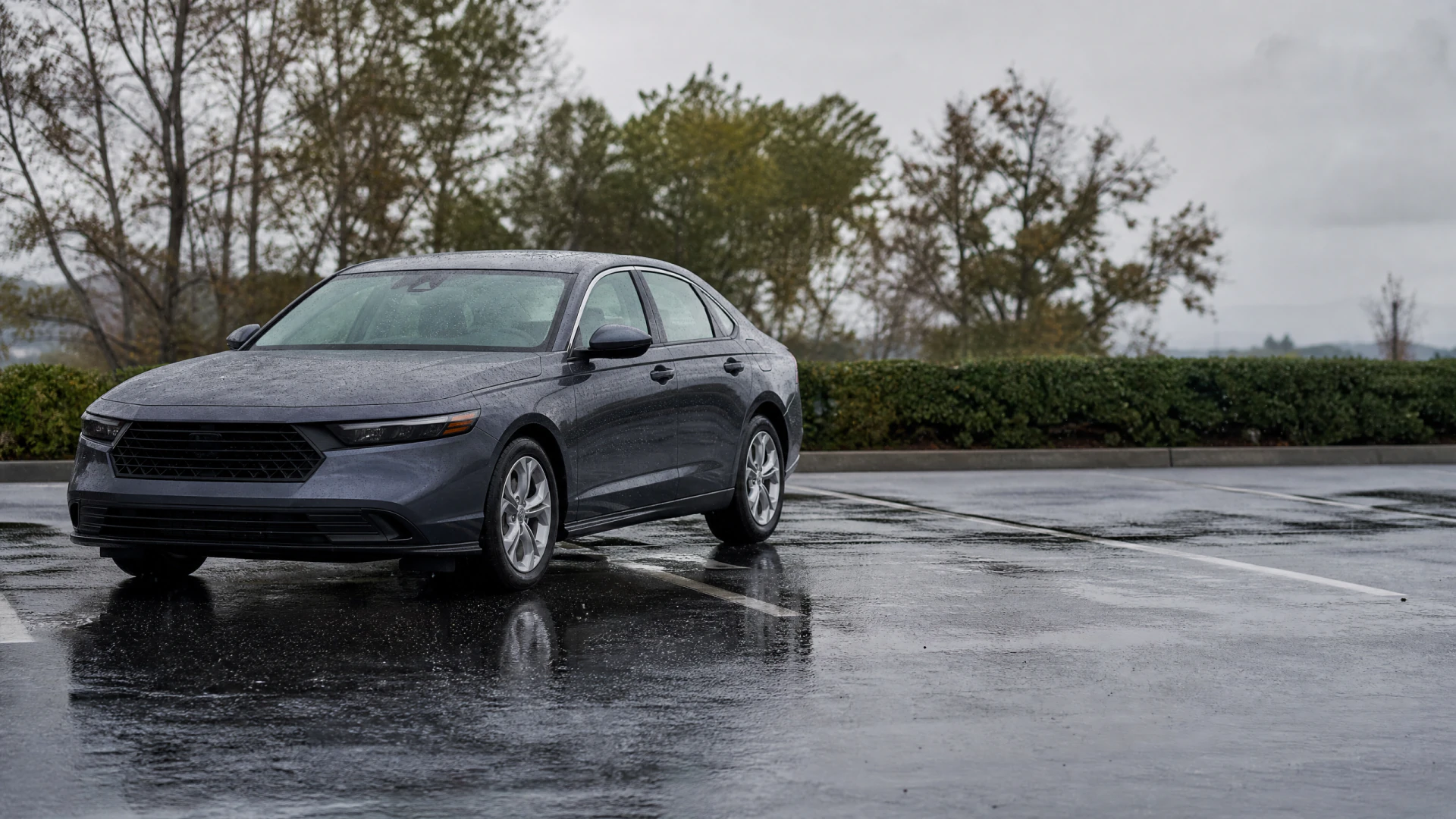
Blind spot warning covers the lanes immediately beside you, and sometimes traffic approaching from behind when you're backing out of a space. It does not watch the lane two over, and it does not replace checking your mirrors and turning your head. The sensors can also miss motorcycles, bicycles, or vehicles in bad weather, since rain and snow interfere with radar and camera accuracy.
This matters for insurance in a specific way. If you're in a lane change collision and the system failed to warn you because of its limits rather than a malfunction, that doesn't change fault the way some drivers assume. Insurers and state fault rules still look at who had the duty to check before changing lanes, which is the driver, system or no system.
If you're relying on the warning as your main defense against blind spot collisions, that's worth rethinking regardless of what it does for your rate.
Questions people ask about this
Does blind spot warning lower my insurance rate?
It can, but only with insurers that offer a specific discount for it. Ask your insurer whether they have one and whether it requires the system to be factory installed. If they price based on the car's overall safety rating instead, there may be no separate line for this feature even though it's already baked into the price.
Will my insurer know my car has blind spot warning?
Insurers typically pull the vehicle's make, model, and trim level, which can tell them what safety features came standard. If your car has it as an added feature rather than standard equipment, you may need to tell them directly. Check your declarations page to see what's listed.
Does blind spot warning work when I'm using a turn signal?
Yes, most systems are designed to warn you whether or not you've signaled, since the danger is the vehicle in your blind spot regardless of your intent to turn. Some systems intensify the warning, like a flashing light instead of a steady one, if you signal toward an occupied lane.
Can I add blind spot warning to a car that doesn't have it?
Some aftermarket systems exist, but they vary widely in quality and aren't always recognized by insurers the same way factory systems are. If you're considering one for a potential discount, ask your insurer first whether aftermarket installations qualify.
Does blind spot warning replace my mirrors during a driving test?
No. Driving tests and state licensing rules still require checking mirrors and looking over your shoulder before changing lanes. The system is a backup, not a substitute, and examiners generally test for the habit itself.
See which insurers actually credit your car's safety features before you commit to one.
Pull up your declarations page and see whether any safety feature discount is already listed. If you're not sure, call your insurer and ask directly whether blind spot warning affects your rate, and whether it matters if the system is factory installed versus added later. If you're shopping for a new car, ask the same question before you buy rather than after, since the answer can differ by insurer and by model. Keep any documentation the dealer gives you about the system, since some insurers ask for proof it's present and functioning.