How Long Does a Total Loss Payout Take
Most total loss claims settle within a few weeks, but the payout itself often depends on how fast you and your insurer agree on your car's value.
Free to compare
It depends on how quickly you and your insurer agree on value
There's no fixed number of days written into your policy. Once your insurer declares your car a total loss, they still have to agree with you on what it was worth right before the accident. That negotiation is usually what takes the time, not paperwork or processing.
If you accept their first valuation, payment can come quickly. If you dispute it, because you think they undervalued your car or missed something about its condition, the process stretches out while you go back and forth. How fast it moves also depends on your state's rules for claim handling and on how backed up your insurer's adjusters are.

Whether you have a loan or lease changes who gets paid first
If you still owe money on the car, your insurer pays your lender directly before anything comes to you. That means the lender has to confirm the payoff amount, which can add time if their records aren't current or if there's a dispute about the balance.
If the payout is less than what you owe, you're responsible for the difference unless you had gap insurance. Check your loan or lease agreement now so you know where you stand, rather than finding out partway through the claim.
If you own the car outright, the process is simpler. The check comes to you once you and the insurer agree on the value, with no lender to coordinate with.
Ask your insurer early on whether there's a lender involved and what they need from your lender to close that out. It's one less surprise later.
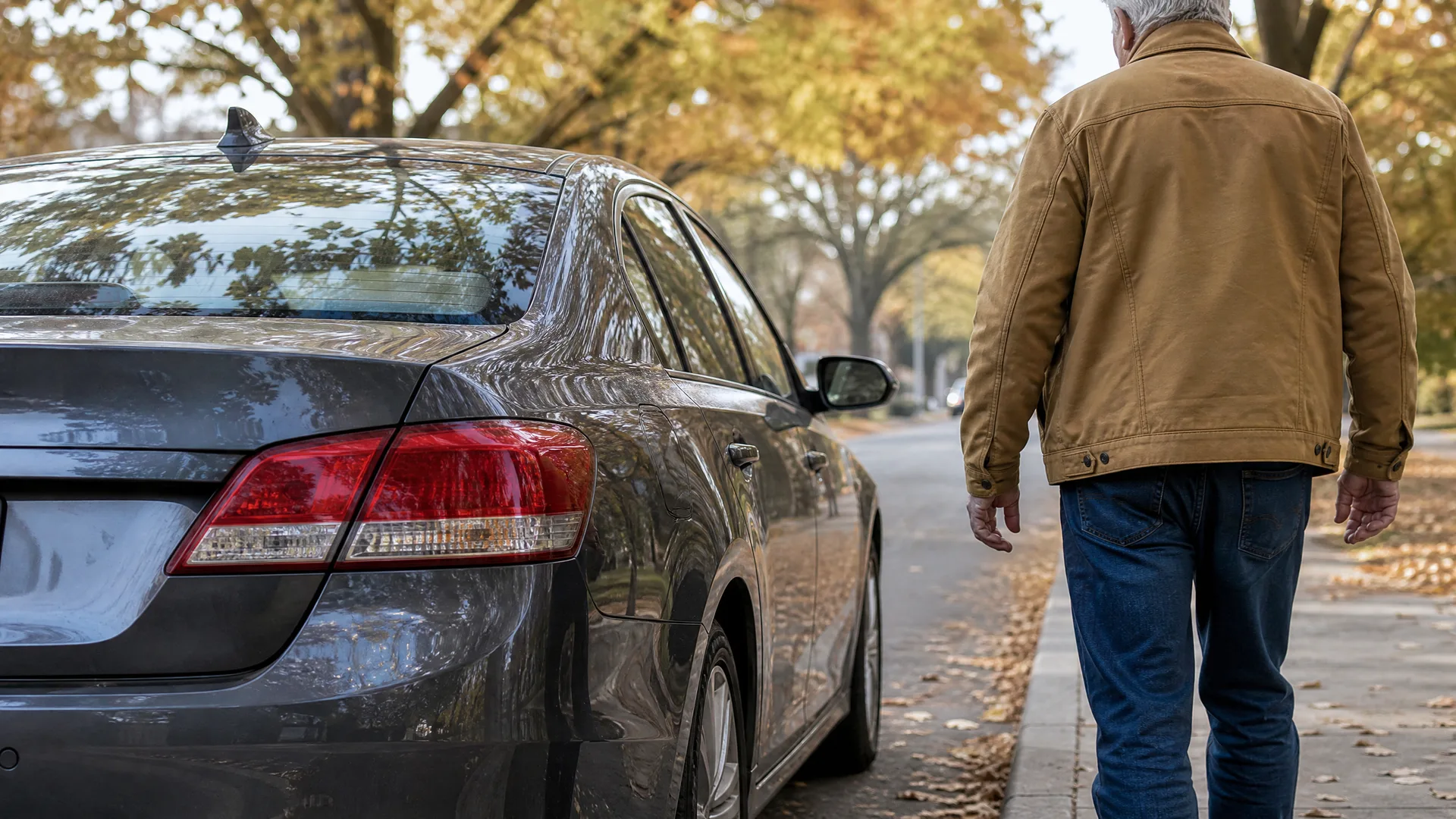
Disputing the valuation is the most common delay
Insurers use market data to estimate what your car was worth before the loss. That estimate doesn't always account for recent repairs, low mileage, or upgrades you made. If you think it's wrong, you can push back, but that takes documentation.
Bring your own evidence if you disagree. Maintenance records, photos, and listings for comparable cars for sale in your area all help make your case. The stronger your documentation, the faster your insurer can respond to it.
Some states require insurers to respond to a dispute within a set window. Check with your state's department of insurance to see what applies where you live.
If you accept the first number offered, there's nothing left to negotiate and the payout moves faster. That's worth knowing if time matters more to you than squeezing out a higher number.
Questions people ask about this
Can I keep driving a rental car while waiting for a total loss payout?
That depends on your policy's rental coverage and how long it lasts. Most rental coverage has a daily or total dollar limit, and it may run out before your claim settles. Ask your insurer how many days of rental coverage you have left as soon as the total loss is declared.
What happens to my old car after a total loss payout?
Your insurer takes ownership of the vehicle once they pay you for it, and it's usually sold for salvage. You'll need to turn over the title and remove your plates and registration according to your state's rules. Check with your state's motor vehicle agency for what paperwork they require after a total loss.
Do I still owe car payments while the total loss claim is processing?
Yes, your loan payments continue until the insurer pays off your lender. Contact your lender to ask whether they'll pause or adjust payments during the claim, since policies on this vary by lender. Missing payments during this time can still affect your credit even if a payout is coming.
Will my insurance rates go up after a total loss claim?
It depends on who was at fault and how your insurer rates claims in your state. A claim where you weren't at fault typically affects your rate less than one where you were. Ask your insurer directly how this particular claim will be rated on your policy.
Can I negotiate the total loss settlement amount with my insurer?
Yes, you can challenge their valuation if you have evidence it's too low. Comparable sales listings, maintenance records, and documentation of recent repairs or upgrades all support a higher number. Ask your insurer what evidence they'll consider and how to submit it.
If you're shopping for a new policy after a total loss, it helps to see what other insurers would charge you.

Call your insurer and ask exactly where your claim stands and what's left before they can issue payment. If a lender is involved, ask your lender for your current payoff amount so there's no mismatch when the insurer contacts them. If you disagree with the valuation, start gathering comparable listings and maintenance records now rather than waiting. Ask your state's department of insurance about any deadlines insurers must follow for responding to a dispute. Keep a written record of who you spoke with and when, in case the timeline runs longer than expected. Once you know your payout amount, you can start comparing quotes for your next policy.