How Old Is Too Old to Drive: Signs It May Be Time
No age makes a driver unsafe on its own. What matters is whether vision, reflexes, and judgment are still holding up behind the wheel.
Free to compare
There's no age that decides this
No number tells you when someone should stop driving. States set ages where they ask for more frequent renewals, a vision test, or an in-person visit instead of a mail renewal, but those rules are about checking in, not about declaring someone unfit.
What actually decides it is a handful of things that can show up at any age: whether the driver can still see road signs clearly, whether they react in time to stop or merge, and whether they've had any close calls or small accidents that weren't like them. Those signs matter more than a birthday.

What to watch for in the driver, not the calendar
Vision changes first for a lot of older drivers, and often without them noticing day to day. Trouble with glare at night, missing a merging car, or squinting at street signs are worth paying attention to before a renewal notice forces the question.
Reaction time is the other big one. A driver who used to merge confidently and now hesitates, or who brakes later than they used to, is telling you something even if they'd never say it themselves.
Small incidents add up to a pattern worth noticing. A scraped mailbox, a parking lot dent, a ticket for something that never used to happen. One of these means little. A few in a short stretch means it's worth a real conversation.
A family member or friend who rides along regularly often notices these changes before the driver does. If someone close to them has mentioned feeling less comfortable as a passenger, that's worth taking seriously.
What the state actually requires
Some states require vision tests, shorter renewal periods, or in-person renewals starting at a certain age, and some don't treat older drivers any differently at all. This is set state by state, so the only way to know what applies is to check with the state's DMV or licensing agency directly.
A license renewal that comes with new requirements isn't a judgment on the driver. It's the state doing its own periodic check, the same way it checks vision for every new driver regardless of age.
Insurers look at this separately from the state. A clean driving record and good vision can mean favorable rates well into older age, while a recent accident or ticket will affect the premium regardless of how old the driver is. If a renewal notice shows a higher rate, that's worth asking the insurer about directly, since the reasons can vary by company.
Questions people ask about this
What tests do older drivers have to take to renew a license?
This depends entirely on the state, so there's no single answer. Some states require a vision test at renewal for drivers past a certain age, and some require more frequent renewals in person rather than by mail. Checking the state's DMV website or calling them directly is the only reliable way to know what applies.
Can a doctor report an unsafe older driver to the DMV?
In some states, doctors can or must report patients they believe are medically unfit to drive, while other states don't have this requirement. Rules on who can report a driver, and what happens after, are set by the state, so a family concerned about this should check their state's specific process.
Does car insurance go up for older drivers?
Not automatically. Insurers set rates based on the driver's record, the car, and other factors specific to that person, and age alone doesn't determine the premium. A driver with a clean record can keep a steady rate well into older age, while any new tickets or accidents will affect the price regardless of age.
What should I do if my parent refuses to stop driving but isn't safe anymore?
This is a family and sometimes a medical conversation before it's anything else. Talking with their doctor about an honest assessment of their driving fitness is often a useful first step, since a doctor's observation can carry weight that a family member's concern alone might not. Some states also have a process for a concerned family member to request a re-examination.
Is there a defensive driving course that helps older drivers get a lower rate?
Many insurers offer a discount for completing an approved driver safety course, though this varies by company and sometimes by state. The driver typically has to send the completion certificate to the insurer directly, since finishing the course alone usually doesn't apply the discount automatically.
See how a clean record and current coverage compare across insurers before the next renewal arrives.
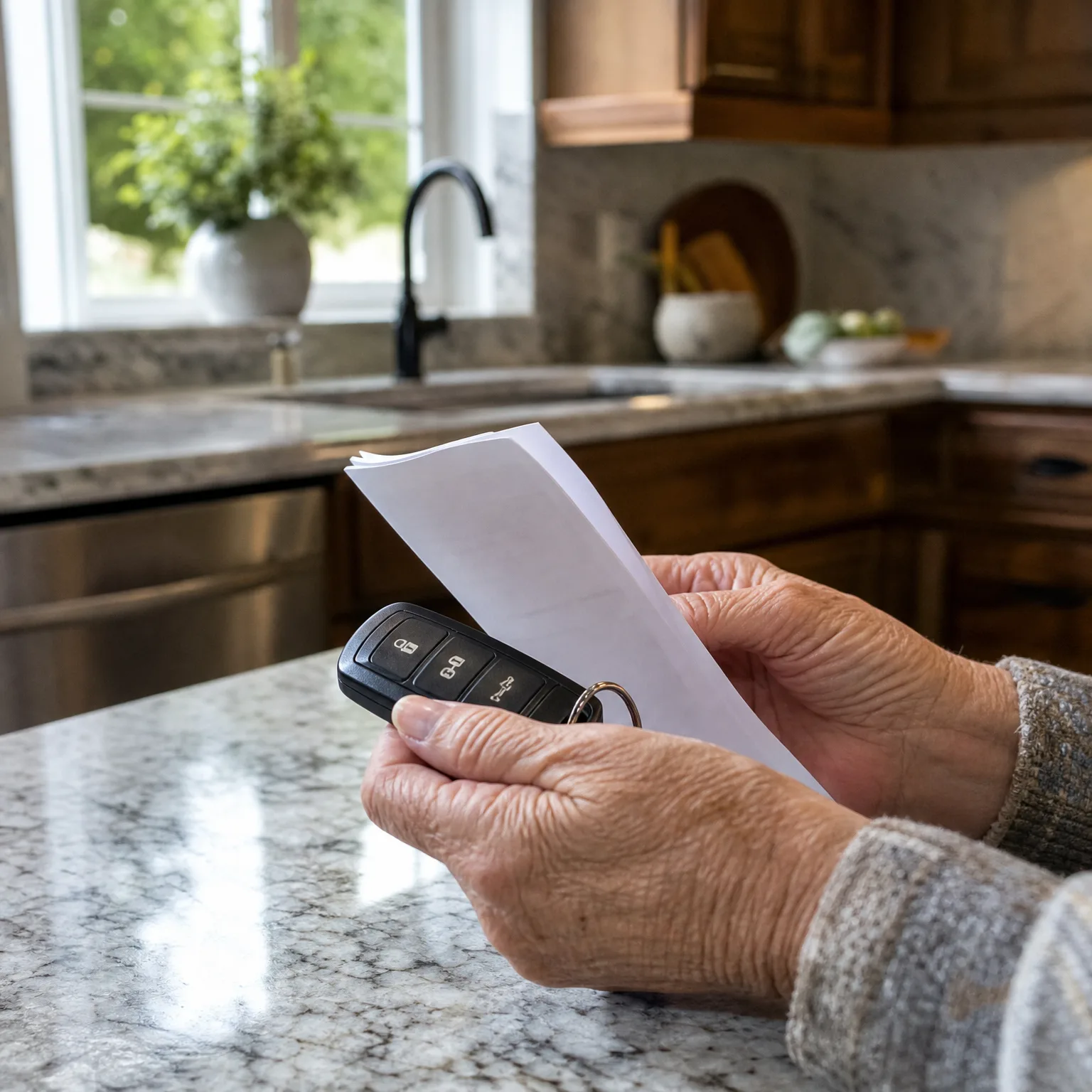
Pull the most recent renewal notice and read what it's actually asking for, whether that's a vision test, an in-person visit, or just a signature. Call the state DMV if anything on it is unclear, since the requirements are set state by state and vary widely. If driving safety itself is the real concern, bring it up with the driver's doctor at the next visit rather than relying on family judgment alone. And if a rate has gone up at renewal, ask the insurer directly what changed, since that's specific to the policy and not something a generic answer can explain.