How Reaction Time Changes With Age
Reaction time slows gradually as you age, but insurers weigh it against decades of driving experience and the discounts available to offset it.
Free to compare
Slower, but gradually, and insurers know it
Reaction time does slow with age. The change happens gradually over years, not suddenly at a particular birthday, and it varies a great deal from one driver to the next depending on health, vision, and how much you still drive.
Insurers don't price your policy off a reaction time test. They look at your driving record, your age, and in some states, whether you've completed a course designed for older drivers. A slower reaction time on its own doesn't show up anywhere on your policy unless it leads to a ticket or a claim.
What matters most: your driving record, not your age alone
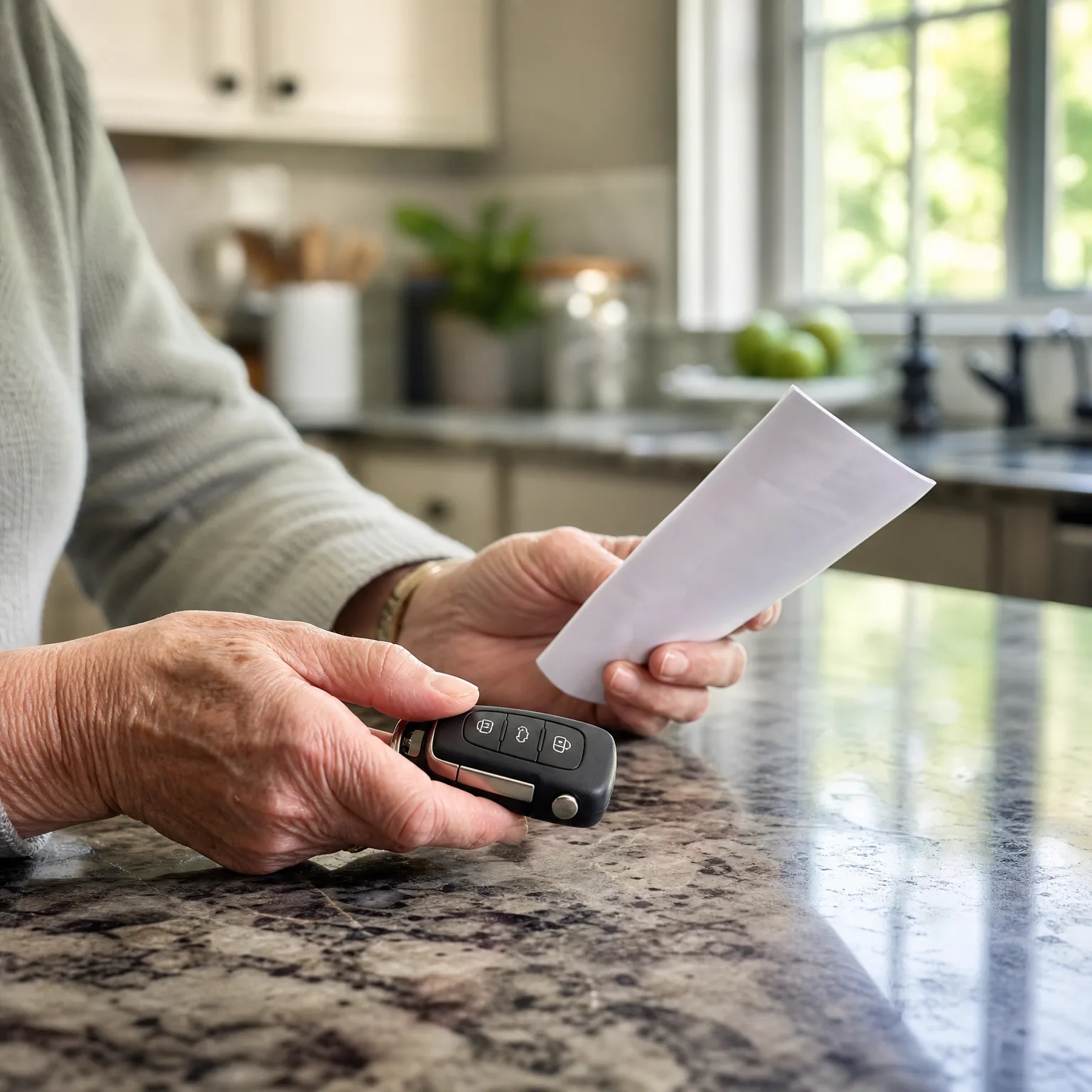
Your insurer sets your rate mostly by what's actually happened behind the wheel. A clean record carries more weight than your birth year. If you haven't had a ticket or an accident in years, that history tells your insurer more than any assumption about reaction time.
This is why two drivers of the same age can see very different renewal notices. One has a long clean record and the other has a recent claim. The slowdown in reaction time is real, but it only turns into a cost if it leads to an incident the insurer has to pay for.
If your premium went up at renewal and your record hasn't changed, ask your insurer directly what changed in their pricing. It may be a broader rate increase that has nothing to do with you personally.
Some states also require vision or written tests at license renewal past a certain age, and a few require more frequent renewals. These are set by the state, not your insurer, so check with your state's DMV to see what applies to you.
What drivers get wrong: assuming nothing can be done about it
Many older drivers assume a higher premium at this stage is just something to accept. That's often not true. Most insurers offer a discount for completing a defensive driving or mature driver course, and the course itself is built around exactly this topic, recognizing where your reaction time has changed and adjusting how you drive to account for it.
The discount usually isn't automatic. You take the course, get a certificate, and then you have to send that certificate to your insurer yourself. If you took a course in the past and never sent in the paperwork, you may be paying more than you need to right now.
It's also worth asking your insurer whether they reassess rates based on mileage. If you're driving less than you used to, which is common as reaction time changes and people adjust their habits, some insurers will lower your premium to reflect that, but only if you tell them.
Questions people ask about this
At what age should I stop driving because of reaction time?
There's no set age. It depends on your health, your vision, and how you perform on the road, which is why some states require testing rather than setting a cutoff. If you're unsure, ask your doctor or take a driving evaluation rather than relying on age as the measure.
Can a doctor's note affect my car insurance rate?
Generally no, a doctor's note doesn't go to your insurer unless it's part of a state licensing requirement. Insurers price your policy off your driving record and application details, not your medical history. Check with your state DMV if you're asked to provide medical information for your license.
Does taking a defensive driving course actually lower my premium?
It can, but only if your insurer offers that discount and you send them the completion certificate afterward. Ask your insurer before you enroll whether they recognize the specific course you're considering, since not all courses qualify for every insurer.
Will my insurer drop me if my reaction time gets worse?
An insurer can't drop you for aging alone. They can decline to renew based on your driving record, so if slower reaction time has led to tickets or accidents, that history is what affects your coverage, not your age by itself.
How do I know if my reaction time is actually a problem for driving?
Watch for specific signs like trouble merging, delayed braking, or feeling rushed at intersections, rather than guessing from your age. Many states offer driving evaluations through the DMV or a licensed occupational therapist if you want an objective check.
See how your record and any course credits compare across insurers before you renew.

Pull out your renewal notice and check what changed from last year. If you've taken a defensive driving or mature driver course in the past few years, confirm with your insurer that they received your certificate, since this step often gets missed. Ask your insurer directly whether your premium reflects your current mileage, especially if you're driving less than before. If your state requires vision or written tests at your age, check the renewal schedule with your DMV so nothing catches you off guard. Then compare quotes from a few insurers to see whether another company weighs your record and course credits more favorably than your current one.