How Retirees Can Lower Their Car Insurance Costs
The biggest savings usually come from driving less, taking a refresher course, and shopping your policy around rather than waiting for your current insurer to lower the price on its own.
Free to compare
Yes, there are real ways to lower the cost
Retirees often qualify for lower rates than they did a few years earlier, but the insurer doesn't apply most of these automatically. You usually have to ask, send proof, or switch to get the lower number.
The main levers are a mature driver course, lower mileage now that commuting has stopped, bundling policies, and comparing quotes from other insurers. Which of these helps most depends on your driving habits, your state's rules, and what your current insurer already has on file for you.
What you drive now, and how often
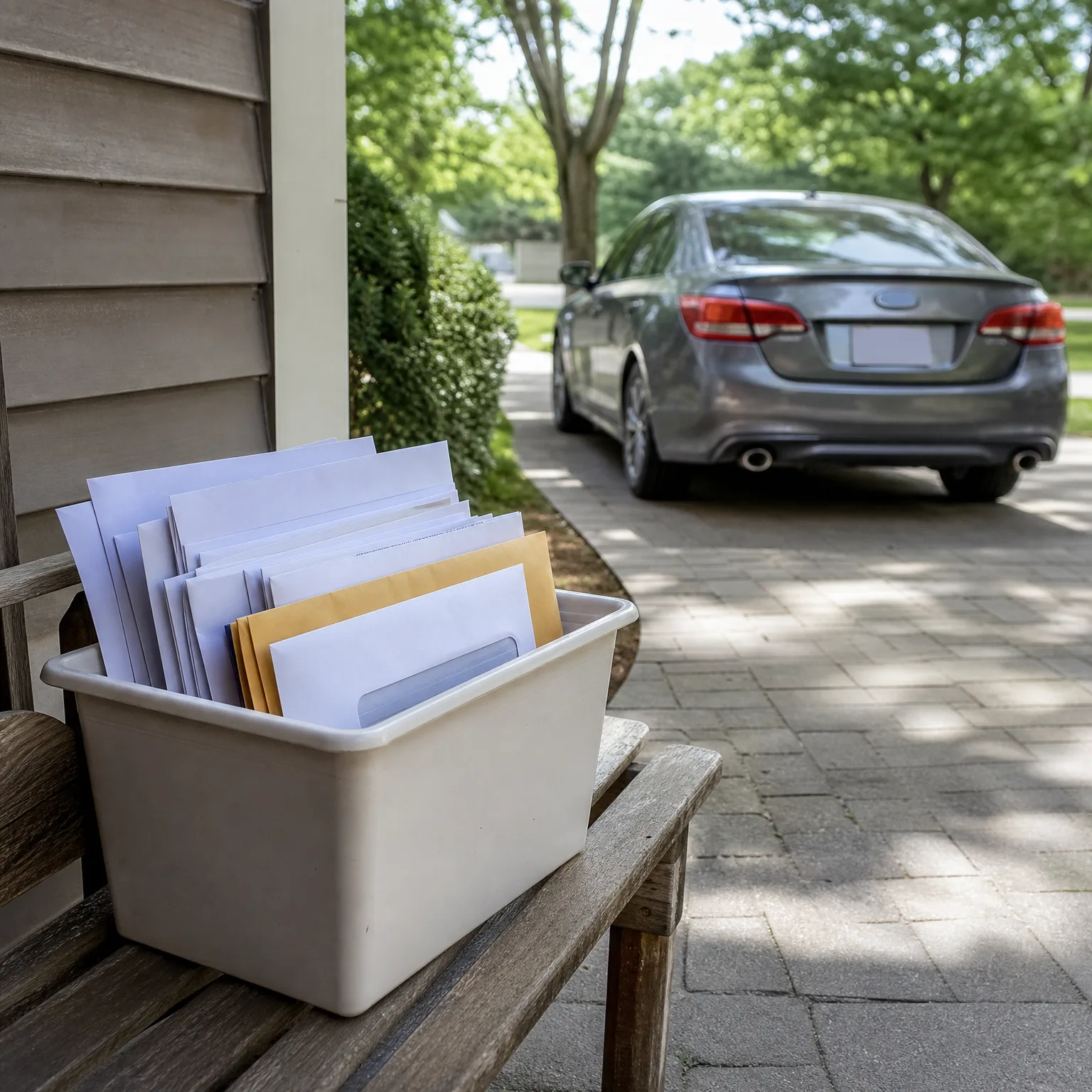
Retirement often means less driving. No commute, fewer weekday trips, sometimes a second car that sits most of the week. Insurers price a policy partly on expected mileage, so if yours has dropped, your premium may not reflect that yet.
Tell your insurer your current annual mileage and ask if you qualify for a low-mileage discount. Some insurers also offer usage-based programs that track actual driving through an app or a plug-in device, which can lower the cost further if you drive less than average.
If you've dropped down to one car instead of two, say so. Removing a vehicle or a driver who no longer uses the car changes the math on the whole policy, not just that one car.
If you're driving a car that's older or worth less than it used to be, ask whether you still need full coverage. Dropping collision or comprehensive on a low-value car can lower the premium, though that's a decision about risk as much as cost, since you'd be covering any damage yourself.
Whether you've taken a driver refresher course
Many states require insurers to offer a discount to older drivers who complete an approved defensive driving or mature driver course. The rule and the size of the discount are set by the state, not by the insurer, so whether this applies to you depends on where you live.
Completing the course isn't enough on its own. You have to send the certificate to your insurer and ask them to apply the discount. It doesn't happen by itself when you finish the class.
Check with your state's department of insurance or your own insurer to find out which courses qualify and how often you need to retake one to keep the discount active, since some expire after a set period.
It's also worth asking your insurer directly whether they offer this discount before you sign up for a course, so you know it will count.
Questions people ask about this
Does my car insurance go up when I turn a certain age?
It depends on the insurer and the state, not on age alone. Some insurers price older drivers the same as middle-aged drivers with a clean record, while others adjust pricing based on age brackets. Ask your insurer directly how your age affects your premium and whether that's changed recently.
Will my insurance drop automatically after I retire?
No, you need to tell your insurer that you've retired. Insurers don't track your employment status, so a lower-mileage, no-commute lifestyle only lowers your premium if you report it and ask them to update your policy.
Should I drop collision coverage on an old car?
That depends on what the car is worth and what you could afford to replace it. If the car's value is low, the payout from a collision claim may be small compared to what you're paying for that coverage each year. Ask your insurer for the car's current value and compare it to the annual cost of keeping full coverage.
Can I keep my teenage grandchild off my policy if they drive my car occasionally?
This depends on your insurer's rules about household members and regular drivers. Some insurers require anyone living in the home or driving the car regularly to be listed, even if they're not there full time. Ask your insurer how they define a regular driver before assuming someone can be left off.
Does bundling home and auto insurance still save money after retirement?
Bundling can lower the combined cost, but whether it beats separate policies from two insurers depends on each company's pricing. Ask your current insurer for a bundled quote, then compare it against quotes from other insurers before deciding to combine everything in one place.
See what other insurers would charge for the same coverage you have now.
Pull out your current policy and your most recent renewal notice so you have your coverage limits and premium in front of you. Call your insurer and ask three things: whether you qualify for a mature driver course discount, whether your mileage has been updated recently, and whether bundling would lower the total. Then get quotes from a few other insurers using the same coverage limits so you're comparing like for like. If you do take a driver refresher course, send the certificate to your insurer yourself rather than assuming it will be applied. Do this before your policy renews, since some discounts only apply going forward, not retroactively.