How Soon Can You Drive After Cataract Surgery
Your surgeon decides when it's safe to drive, and that depends on how your eye heals, not on how many days have passed.
Free to compare
Your surgeon clears you, not a set number of days
There's no fixed waiting period that applies to everyone. Your eye surgeon checks your vision at a follow-up visit, usually within a day or two of the surgery, and tells you when it's safe to drive again. Some people are cleared almost right away. Others need longer if their eye is still healing or their vision hasn't stabilized.
It depends on how your eye responds, whether you had surgery on one eye or both, and whether you had any complications. Until your surgeon says otherwise, your vision may not meet the legal standard for driving even if you feel fine.
How your eye heals changes the timeline
Cataract surgery leaves your eye swollen and your vision blurry for a short stretch afterward. Your surgeon checks for that swelling and for how clearly you're seeing before they clear you to drive. If your eye heals the way it typically does, you may be cleared at your first follow-up appointment.
If you had surgery on only one eye, the other eye is still doing most of the work, which can make clearance quicker. If both eyes were done close together, or if your surgeon staggered them, your surgeon will factor that into when they sign off.
Some people develop temporary side effects like glare, halos, or light sensitivity. These can affect driving even after your eye has otherwise healed, so mention them at your follow-up rather than assuming they'll pass on their own.
Ask your surgeon directly when you'll be checked again and what they're looking for before they clear you. Don't guess based on how you feel.
Your state's vision standard still applies
Even after your surgeon clears you, your vision has to meet your state's standard for driving. This is set by your state's licensing agency, not by your surgeon or your insurer, so check with your state's DMV or equivalent agency if you're not sure what that standard is.
If your cataract surgery was tied to a vision problem that had already affected your license, such as a prior restriction or a flag on your record, you may need a vision test or paperwork from your doctor before you're fully clear to drive again. Ask your surgeon whether they'll provide that documentation.
Your insurer isn't part of this process. They don't clear you to drive and they don't need to be notified about the surgery itself. What matters to them is whether you're driving legally and whether your vision meets the state's requirement, which is why the DMV's standard is the one that counts here.
Questions people ask about this
Can I drive myself home after cataract surgery?
No, you'll need someone else to drive you home the day of the surgery. Your vision will be blurry from dilation and any sedation, and most surgery centers won't discharge you unless you have a ride arranged.
Does cataract surgery affect my car insurance rate?
Having cataract surgery itself doesn't affect your rate. Insurers price based on your driving record and how you're currently able to drive, not on medical history or procedures you've had.
Do I need to tell the DMV about my cataract surgery?
This depends on your state. Some states ask you to report vision changes or surgeries when you renew your license or if you're asked to take a vision test, so check with your state's licensing agency to see what applies to you.
Will my vision be permanently better after cataract surgery?
Most people see significant improvement, but how much and how permanent varies by person and by any other eye conditions you have. Your surgeon can tell you what to expect for your specific eyes.
What happens if I drive before my surgeon clears me?
If your vision doesn't meet your state's legal standard for driving, you'd be driving illegally regardless of how you feel. It also puts you at risk if you're in an accident, since your insurer may look closely at whether you were fit to drive at the time.
Once you're back on the road, it's worth seeing whether your rate still reflects the driver you are now.
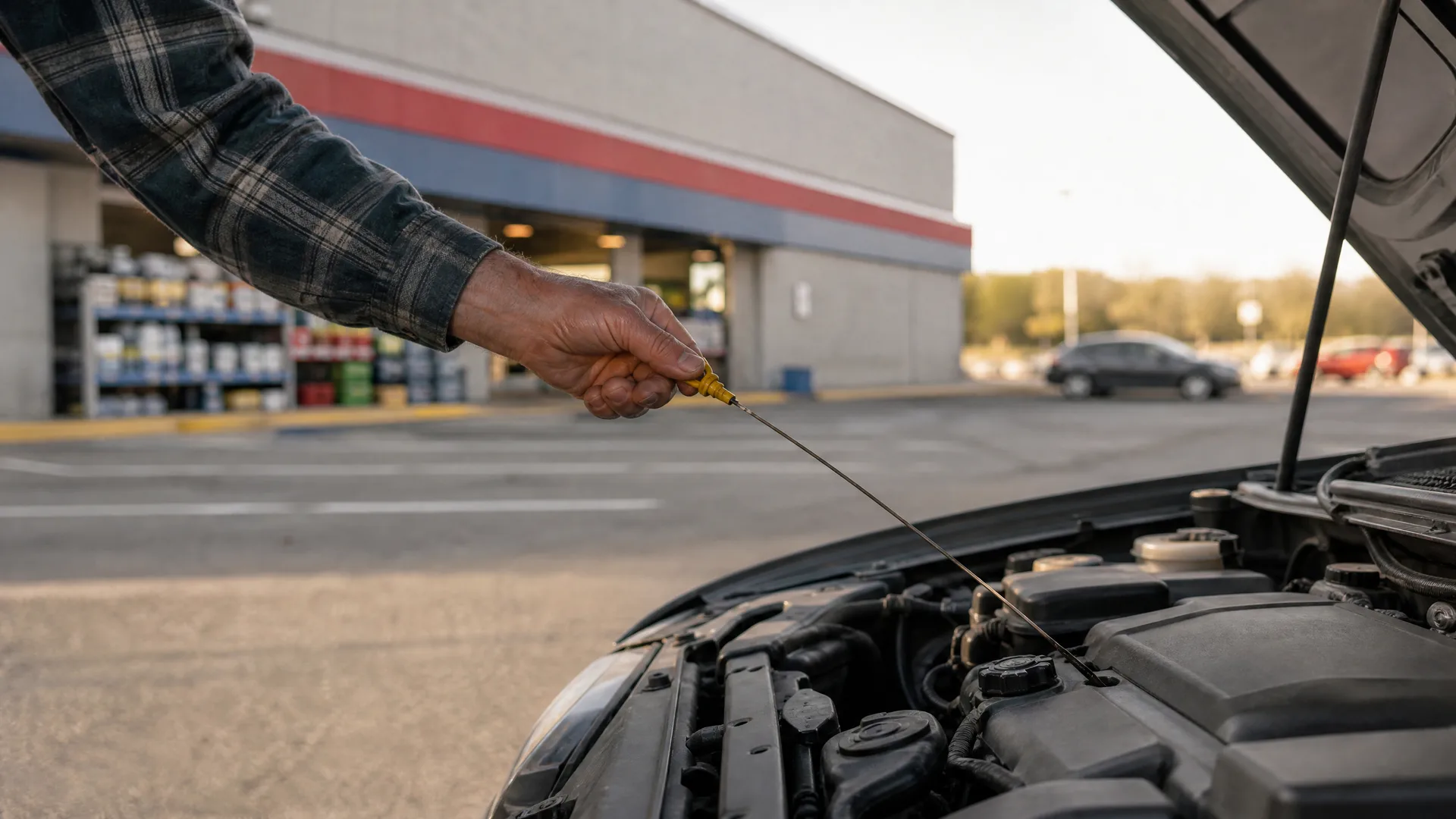
Keep your follow-up appointment and ask your surgeon directly when you'll be cleared to drive, not just how the surgery went. If you wear glasses or contacts, bring them so your surgeon can tell you whether your prescription needs updating before you drive again. Check with your state's DMV if you're unsure what vision standard applies to your license. If you had any complications or one eye is still healing, ask whether that affects when you can drive at night or in heavy traffic. Once you're cleared, there's no separate step for your insurer, just drive as you normally would.