How the Car You Drive Changes What Seniors Pay
The car matters because insurers price the cost of fixing or replacing it, not just the risk of who's driving it.
Free to compare
Yes, the car you drive changes your rate, sometimes more than your age does
Insurers set your premium partly on what the car costs to repair, replace, and insure against theft, and partly on what it costs to treat anyone hurt in it. A newer car with expensive parts or a high theft rate costs more to insure no matter who's driving it. An older, common car with a strong safety record usually costs less.
For a driver over 65, this can matter even more than it used to. Age-related rate increases from some insurers can be offset or outweighed by driving a car that's cheap to insure. The reverse is also true. A driver with a clean record can still see a high premium if the car itself is expensive to cover.
What the car itself costs to insure
Insurers look at the sticker price, but they look harder at repair costs and parts availability. Some cars that aren't expensive to buy are still costly to insure because body panels, sensors, or electronics are expensive to replace after even a minor collision.
Theft rates matter too. Certain models are stolen often enough in certain regions that insurers price that in, regardless of the driver's age or record.
Safety ratings work the other direction. A car with strong crash test results and features like automatic emergency braking or blind spot warning can lower the cost of insuring it, because it lowers the chance and the severity of a claim.
If you're shopping for a car, or deciding whether to keep the one you have, ask your insurer or agent how a specific model affects your premium before you commit to anything. The same coverage on two similar-looking cars can price very differently.
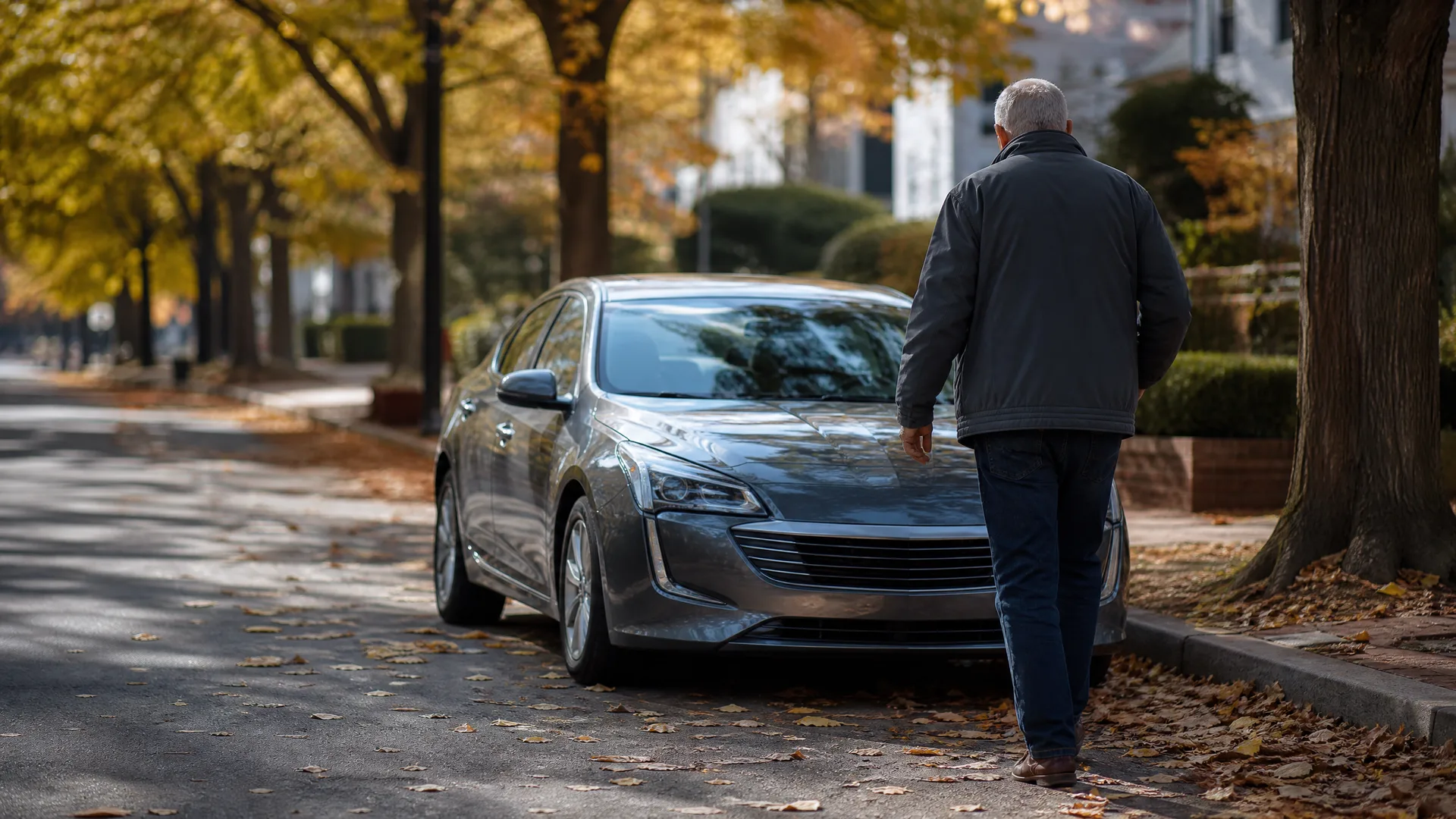
What older drivers get wrong about this
A common assumption is that driving an older car automatically means a lower premium. That's often true for comprehensive and collision coverage, since the car is worth less to replace. It isn't necessarily true for liability coverage, which covers the other driver and their car, and that part of your premium depends more on your driving record and where you live than on your own car's age.
Another thing people miss is that dropping comprehensive and collision on an older, paid-off car lowers the premium, but it also means you'd pay out of pocket if the car is totaled or stolen. Whether that trade makes sense depends on what the car is worth and what you could afford to replace it with.
Finally, some drivers assume a smaller or more modest car is automatically cheaper to insure. That's not always true. A compact car with a high theft rate or costly electronic parts can cost more to insure than a larger, older model with neither problem. The only way to know is to check the specific car, not the category it falls into.
Questions people ask about this
Does switching to a smaller car lower my insurance as a senior?
It depends on the specific car, not its size. A smaller car with expensive parts or a high theft rate can cost as much or more to insure than a larger car without those issues. Ask your insurer for a quote on the specific model before assuming it will save you money.
Do insurers charge older drivers more for certain car types?
Insurers price the car and the driver separately, then combine them, so an older driver in a high-value or high-performance car will generally pay more for that car regardless of age. The age-related part of the premium is usually based on the driver's record and sometimes their age bracket, set by the insurer or the state.
Should I keep my old car instead of buying something newer to save on insurance?
That depends on what you value most, lower premiums or a newer car's safety features. An older car is often cheaper to insure for comprehensive and collision, but it won't have the newer safety technology that can reduce the chance of an accident in the first place. Weigh both before deciding.
Does a car with a lot of safety features actually lower my premium?
Often yes, because features like automatic braking, lane departure warning, and backup cameras reduce the frequency or severity of claims, and insurers price for that. How much it lowers your specific premium depends on the insurer, so ask them directly which features they give credit for.
Will my insurer charge more if my car is modified for an age-related condition, like hand controls?
Ask your insurer directly, since this varies by company and sometimes by state. Some insurers don't change the premium for adaptive equipment that doesn't affect the car's value or risk profile, but you should confirm this before assuming either way.
See how your specific car affects what you'd pay before you decide to keep it or trade it in.
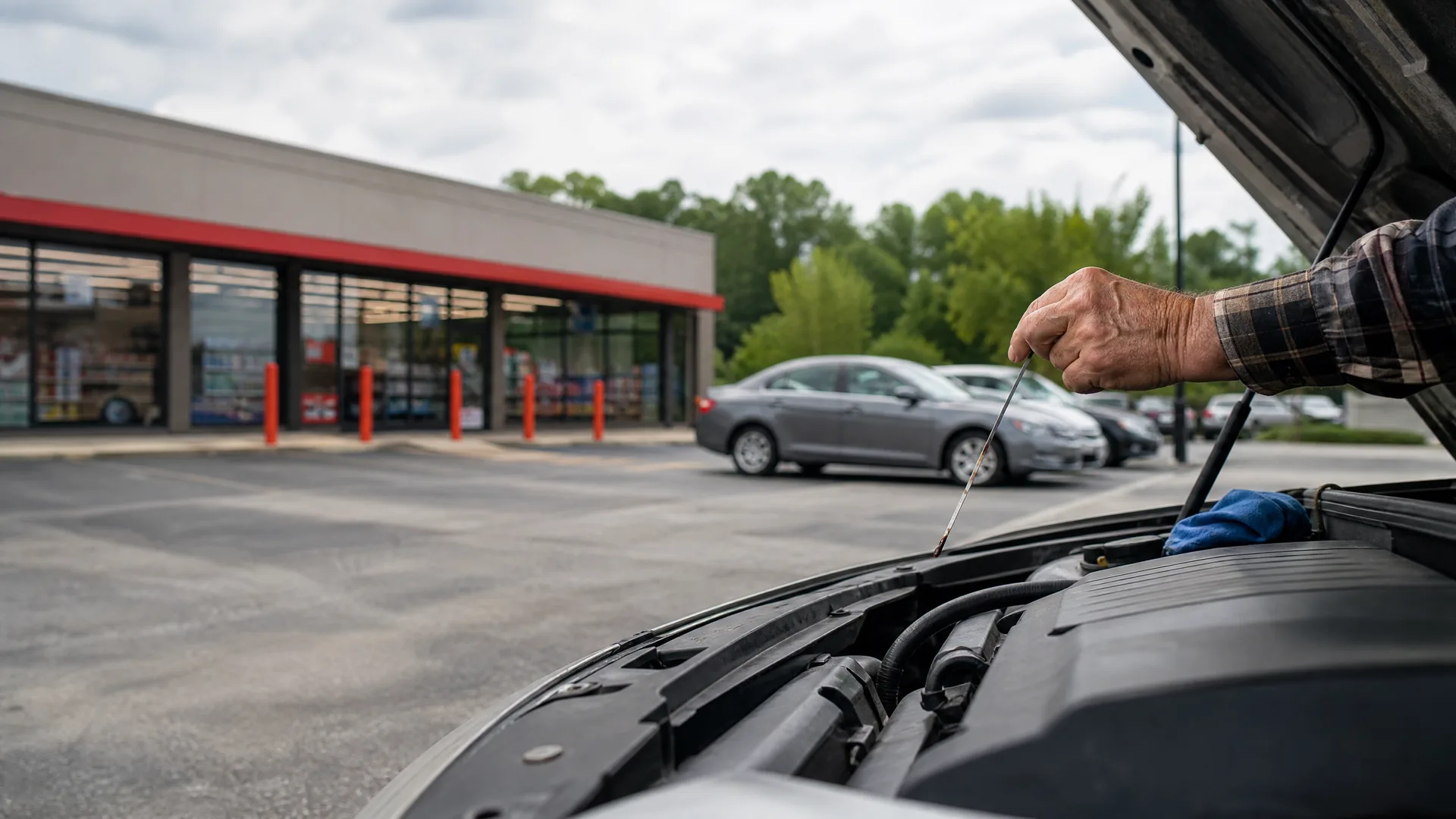
Find your car's make, model, and year, and have your current policy on hand. Call your insurer or agent and ask directly how that car affects your premium compared to a similar one with better safety ratings or a lower theft rate. If you're considering a different car, ask for a quote on that model before you buy it, not after. If you're thinking about dropping comprehensive or collision coverage on an older car, ask what the car is currently worth and compare that to what you'd pay out of pocket without the coverage. Bring any safety features your current car has, since you may be getting a discount you don't know about, or missing one you qualify for.