How to Feel Confident Driving Alone After Losing a Spouse
Confidence comes back with time behind the wheel, and there are concrete steps that speed it up.
Free to compare
It gets easier with practice, and you can speed it up
Losing a spouse who used to drive, or who you always drove with, changes how the car feels even if your own skills haven't changed. The nervousness is normal and it fades faster when you drive on purpose, in short trips at first, rather than waiting to feel ready.
What helps most is practical. Short, familiar routes to start. Daylight. No pressure to go far. If your spouse handled certain kinds of driving, like highways or night trips, give yourself permission to relearn those separately instead of all at once.
Whether you've actually driven alone before
If your spouse did most of the driving, especially in later years, you may be relearning things you once knew well rather than starting from nothing. That's a different task than learning to drive, and it usually comes back quickly once you're doing it regularly.
A short refresher helps here. Some driving schools and senior centers offer lessons aimed at exactly this situation, a driver who's licensed and experienced but out of practice. An occupational therapist who specializes in driving can also assess what's rusty and what isn't, which is often reassuring on its own.
If it's been a long stretch since you drove regularly, start with routes you know well and build out from there. Familiar streets ask less of your attention than new ones, which leaves more of it for the actual driving.
What your insurance has to do with any of this
Your policy itself doesn't change because you're now the one driving. But a few things connected to it are worth checking. If the policy was in your spouse's name, or if your spouse was listed as the primary driver, you'll want to update that with your insurer so the policy reflects who's actually driving the car now.
If you're driving less than before, or driving differently, such as shorter trips and no more long commutes, tell your insurer. Some insurers adjust rates based on how a car is actually used, and this is worth asking about directly.
If you took a refresher course or a defensive driving class, ask your insurer whether that qualifies for a discount. It depends on the insurer, and sometimes the state, so you have to ask and you usually have to send proof, not just mention it.
Questions people ask about this
How do I update my car insurance after my spouse passes away?
You'll need to contact your insurer directly to update the policy, since this isn't something that happens automatically. Have your spouse's death certificate on hand, along with your policy number. The insurer can tell you what changes, such as who's listed as the primary driver and whether the premium is affected.
Should I take a refresher driving course as an older adult?
It can help if you're feeling rusty or anxious, and many are designed specifically for drivers returning to regular driving. Look for one through a local driving school, hospital, or senior center. Ask ahead of time whether completing it might qualify you for an insurance discount, since this varies by insurer.
Is it normal to feel anxious driving alone for the first time in years?
Yes, this is a common reaction, especially after a major loss or a long stretch of someone else doing the driving. The anxiety usually eases with repeated, low-pressure practice. If it doesn't ease or it's keeping you from driving at all, it's worth talking to your doctor, who can help rule out other causes or suggest next steps.
Can an occupational therapist help with driving confidence?
Yes, some occupational therapists specialize in driving evaluations and can assess specific skills like reaction time, vision, and handling different road situations. This is different from a general driving lesson because it's tailored to what's actually changed for you. Ask your doctor for a referral if this sounds like what you need.
Do I need to tell my insurer if I'm driving less now?
It's worth telling them, because how much and how often you drive can affect your premium. If your spouse used to handle longer trips or a commute that no longer applies, your driving pattern may look different now. Ask your insurer directly whether that changes anything about your policy.
If your driving situation or coverage needs have changed, it's worth seeing what other insurers would charge.
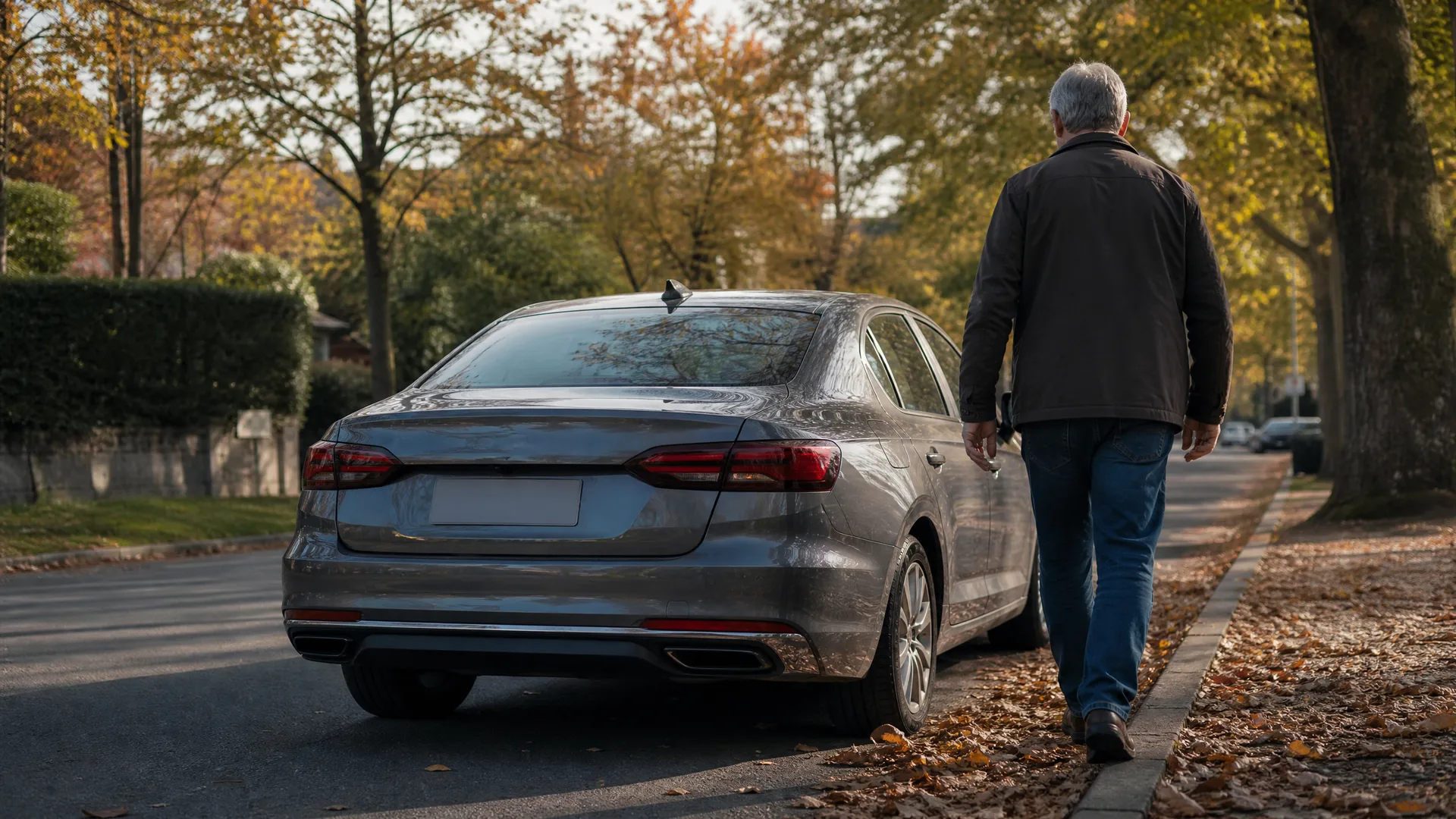
Start by calling your insurer to update the policy with your spouse's information and ask directly how your coverage and rate are affected. Have the death certificate and your policy number ready for that call. Separately, look into a refresher driving course if you're feeling unsure behind the wheel, and ask whether it could qualify for a discount once you finish it. Give yourself short, familiar drives this week rather than waiting until you feel fully confident. If the anxiety doesn't ease with practice, mention it to your doctor. Once your policy reflects your actual situation, it's a reasonable time to compare quotes from other insurers to see if you're still getting a fair rate.