How to Get a Dementia Patient to Stop Driving
There is no single trick that works for everyone, but a doctor's recommendation and a plan for what replaces driving both help.
Free to compare
Start with the doctor, not the argument
The approach that works most often is getting the diagnosis and the recommendation to stop driving from a doctor, rather than making it a family opinion. Many people with dementia will accept it from a physician when they won't accept it from a spouse or adult child. Ask the doctor directly to say in plain terms, in front of the patient, that driving is no longer safe.
This works better because it takes the decision out of the family relationship. The patient can disagree with a son or daughter. It's harder to argue with a medical finding, especially if the doctor documents it and reports it to the state if the state requires that. What it depends on is whether the doctor is willing to have that conversation directly, so it helps to call ahead and ask for it specifically rather than hoping it comes up.
What stage of dementia changes everything
Early on, a person may still reason, remember the conversation tomorrow, and feel the loss of independence sharply. Later, they may forget they were ever told, which means the same conversation has to happen again and again, sometimes daily. Knowing where the person is in that range changes what approach makes sense.
In the earlier stage, involving them in the decision tends to go better than overriding them. A driving evaluation through their doctor or a certified driving rehabilitation specialist gives an outside, neutral answer instead of a family member's judgment. Some people accept limits, like no highway driving or no driving after dark, as a first step rather than stopping all at once.
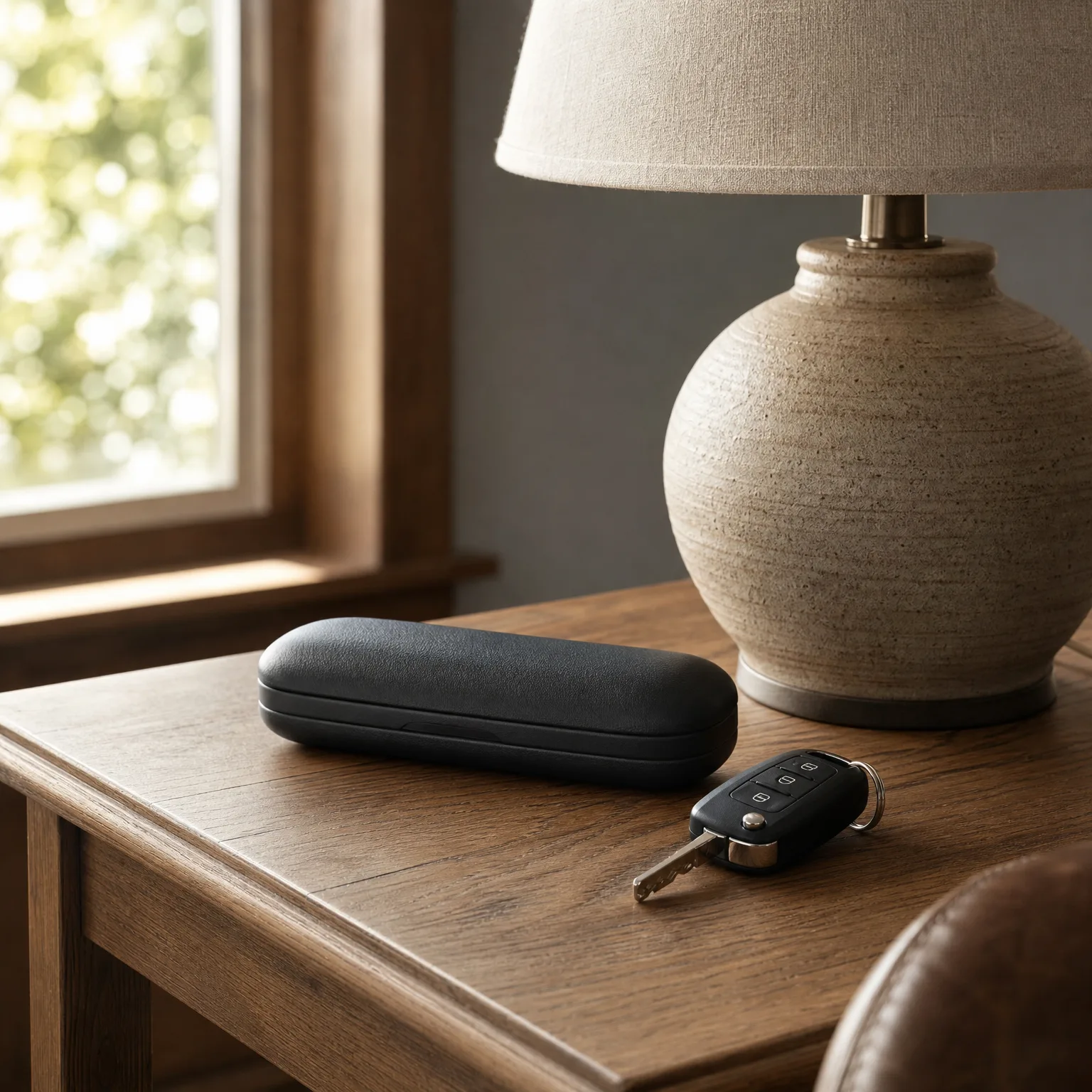
In the later stage, reasoning often doesn't hold, and the practical question becomes how to stop the car from being usable. Taking the keys, disabling the vehicle, or having it moved or sold are steps some families end up taking, especially once the person forgets each conversation. There's no easy version of this stage, and it usually isn't the first thing a family tries.
What families get wrong early on
Waiting for one clear incident, like a crash or a bad scare, before acting. Dementia affects judgment and reaction time before it affects basic ability to steer and brake, so a person can look fine behind the wheel and still be unsafe in ways that don't show up until something goes wrong.
Telling the person once and assuming it settled the matter. With memory loss, a single conversation often doesn't stick, and the person may be genuinely surprised to hear it again, not stubborn. Expect to repeat it.
Leaving the car fully available while hoping the person simply chooses not to drive it. If the keys and the car are both accessible, someone with dementia may drive out of habit without deciding to. Removing access, not just the request to stop, is usually what actually prevents driving.
Not checking what the state requires. Some states have rules about reporting unsafe drivers or medical conditions that affect driving, and the DMV in that state can explain what applies and what a family or doctor can do to trigger a review.
Questions people ask about this
Can a doctor report a dementia patient to the DMV?
In many states, yes, and some states require it once a diagnosis affecting driving safety is made. The rules differ by state, so ask the patient's doctor whether they're required or permitted to report it, and check with the state DMV directly for how that process works there.
What if a dementia patient refuses to give up the keys?
Taking the car out of reach, not just asking for the keys, tends to work when the request alone doesn't. That can mean having a family member keep the only set, moving the car elsewhere, or disabling it. Some families also rely on a doctor's written instruction, since a formal medical opinion sometimes carries more weight with the patient than a family request.
Does dementia automatically mean losing a driver's license?
Not automatically. A diagnosis prompts a closer look, often a driving evaluation or a medical review, rather than an immediate suspension. What happens from there depends on the state and on how the condition is progressing, so the DMV or the doctor involved can explain what review process applies.
How do you keep a car insured if it's no longer being driven?
Ask the insurer about switching the policy to a non-driving or storage classification instead of canceling it outright, especially if the car will be sold or kept for someone else. Canceling coverage entirely can also affect how the insurer treats a gap in coverage if the policy is needed again later.
Will a dementia diagnosis affect a family member's own car insurance?
It depends on whose policy the patient is listed on. If the patient was a listed driver on a shared policy, removing them as a driver once they stop is usually the right step, and the insurer can explain how that changes the policy and the premium.
If the car is staying in the family or changing hands, it helps to see what coverage looks like either way.
Talk to the patient's doctor this week and ask them directly to address driving at the next appointment, rather than waiting for it to come up. Bring specific examples of what's prompted the concern, since doctors often rely on family observations to support a recommendation. Ask the doctor whether your state requires or allows them to report the diagnosis to the DMV. Separately, call the DMV to ask what a formal driving review involves there. If the car won't be driven for a while or at all, call the insurer to ask about changing the policy rather than canceling it outright.