How to Get Cheaper Car Insurance as a Senior
The cheapest policy usually comes from checking every discount you qualify for and comparing insurers directly, since one company's senior rates can differ a lot from another's.
Free to compare
Shop your policy against other insurers first
The most reliable way to lower your car insurance as a senior is to get quotes from several insurers and compare them against what you're paying now. Insurers don't all price age and driving history the same way, so the same driver can get very different quotes from one company to the next.
On top of that, ask your current insurer directly what discounts apply to you. Some are automatic once you hit a certain age. Others, like a defensive driving course discount, only apply if you complete the course and send in the certificate yourself.
Your driving record still matters most
Age alone doesn't set your rate. Your driving record does a lot of the work, and a clean record over the past several years usually keeps your premium lower regardless of how old you are.
If you've had a ticket or an accident, ask your insurer how long it stays on your record and when it stops affecting your premium. That answer varies by insurer and sometimes by state, so it's worth asking rather than assuming.
A defensive driving course can help here too. Many insurers offer a discount for completing one, and some states require insurers to offer it to drivers past a certain age. Check with your insurer or your state's department of insurance to see if you qualify and what the course needs to include.
If your vision or reaction time has changed, don't wait for a renewal notice to address it. Insurers sometimes ask about recent health changes or require a vision test tied to license renewal, and being upfront tends to go better than having it surface later.
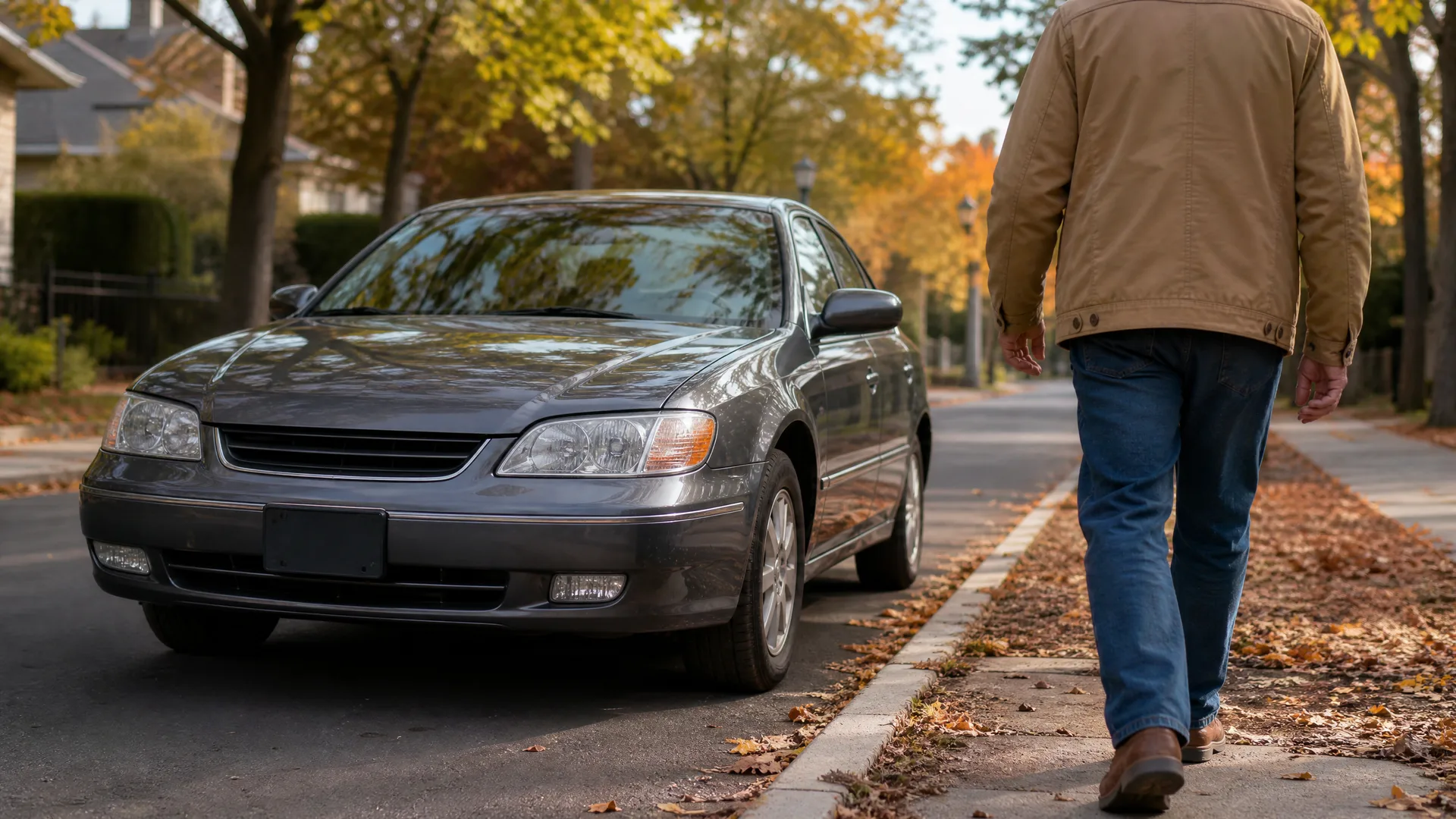
How much you drive changes what you pay
Many seniors drive less after retiring, and that matters because insurers often price policies partly on estimated annual mileage. If you're driving significantly less than you used to, tell your insurer. Don't assume they'll figure it out from your renewal history.
Some insurers offer a low-mileage discount or a usage-based program that tracks actual driving and prices accordingly. These work well for someone who mostly drives locally or has cut back significantly, but they're not offered by every insurer and the terms vary.
The car itself still plays a role too. An older, fully paid-off car often costs less to insure than a newer one, partly because you may be able to drop collision or comprehensive coverage if the car's value is low. Ask your insurer what your car is worth and what dropping that coverage would save, so you can weigh it against what you'd lose if the car were totaled.
Questions people ask about this
Does car insurance go up automatically once you turn a certain age?
Not automatically, and not the same way for every insurer. Some insurers adjust rates based on age brackets, and how they weigh age against your driving record varies by company. Ask your insurer directly how your age factored into your last renewal.
Can you get a discount for taking a defensive driving course?
Many insurers offer one, but you usually have to request it yourself after finishing the course. Ask your insurer which courses they accept and whether the discount is automatic or something you need to submit the certificate for.
Should you drop collision coverage on an older car?
It depends on what the car is worth and what you'd lose if it were totaled. Ask your insurer for your car's estimated value and compare that to what you're paying for collision and comprehensive coverage each year.
Will insurance companies ask about health or vision changes?
Some may ask directly, and your state may require a vision test as part of license renewal. Check with your state's department of motor vehicles for what's required and ask your insurer whether they request any health-related information.
Does bundling home and auto insurance save more for seniors specifically?
Bundling can lower the combined cost, but the savings aren't unique to seniors. Ask any insurer you're considering what the bundled rate would be compared to each policy separately, since the difference varies by company.
See how your current rate compares before you renew.
Pull out your most recent renewal notice and your driving record for the past few years. Call your current insurer and ask exactly which discounts you qualify for, including any course or low-mileage discount, and whether you're getting all of them now. Then get quotes from a few other insurers using the same coverage levels so you're comparing like for like. If you've cut back on driving, mention it, since it may not show up automatically. Bring any defensive driving course certificate with you when you call, since you'll likely need to submit it yourself.