How to Help a Parent Compare Car Insurance
The best way to help is to gather their current policy and a few new quotes, then compare them line by line together.
Free to compare
Start with their current policy, not a new quote
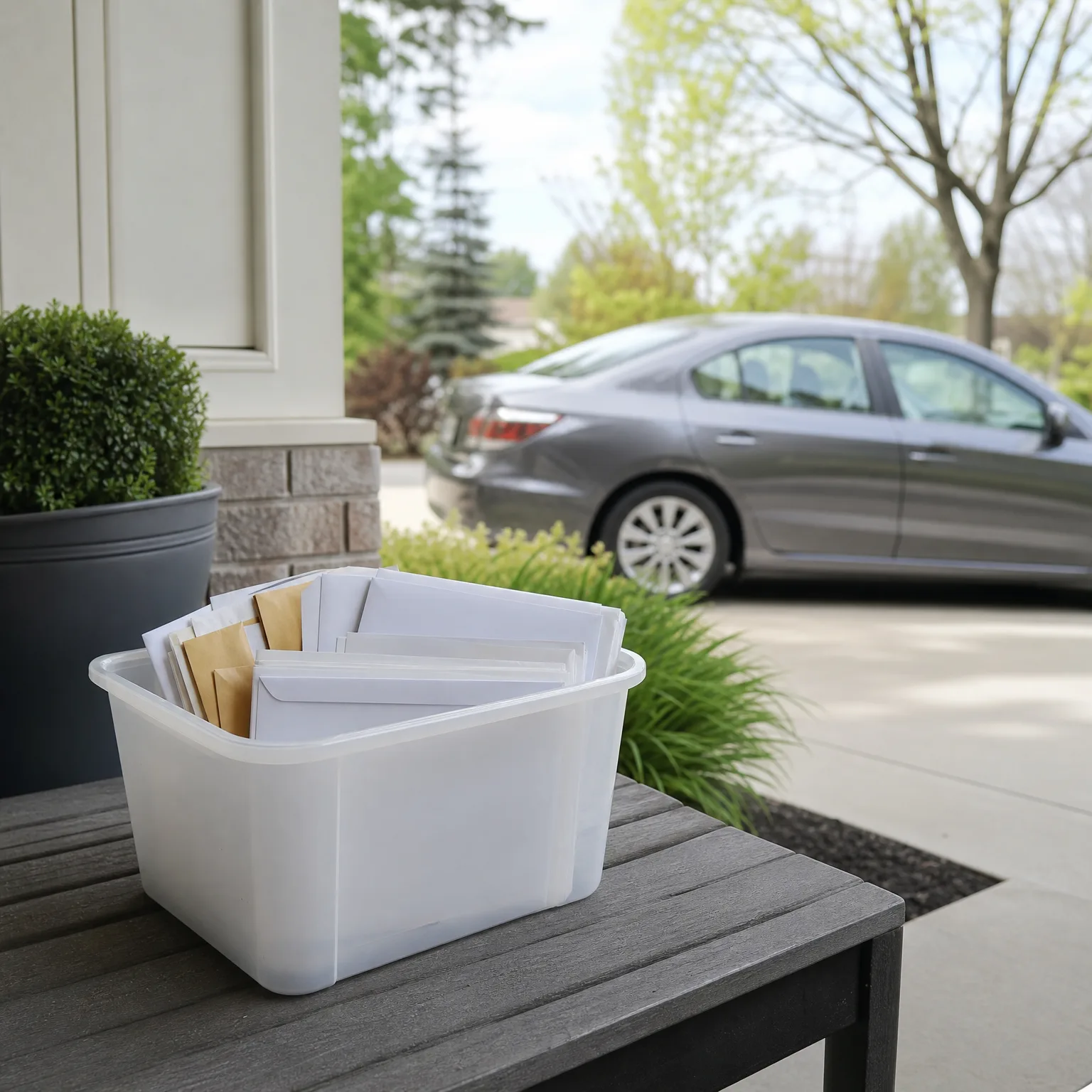
Before you look for anything new, find out what your parent already has. Pull up their declarations page, the one or two page summary their insurer sends at renewal. It lists their coverage limits, their deductible, and what they're paying now. Without it, you have nothing to compare a new quote against.
Once you have that, get quotes for the same coverage limits and the same deductible your parent already carries. A quote with lower liability limits or a higher deductible will almost always look cheaper, but it isn't a fair comparison. Match the coverage first, then compare price.
Their driving record decides which quotes make sense
A parent who has driven for decades with no tickets or claims is in a different position than one with a recent accident or a lapse in coverage. Ask them directly, or ask to see the letter their current insurer sent at the last renewal, since it often lists any violations or claims the insurer has on file.
If their record is clean, they're likely a good candidate for shopping around, since most insurers will compete for that business. If there's a recent claim or a ticket, some insurers will quote a much higher rate than others for the same driver, so it's worth getting several quotes rather than one.
Also ask how long they've been with their current insurer. Some insurers give a loyalty discount or a claims-free discount that only shows up after a certain number of years, and switching could mean losing it. That's worth weighing against whatever a new quote saves.
If your parent has taken a defensive driving or mature driver course, ask to see the certificate. Some insurers lower the rate for completing one, but only if the certificate is actually sent in. Check whether that's already been done.

Their state and their insurer set the rules, so check both
Car insurance requirements and available discounts vary by state, and so does how insurers treat older drivers. Some states require insurers to offer a mature driver discount for completing an approved course. Others leave it entirely up to the insurer. Check your parent's state insurance department website, or ask the insurer directly, rather than assuming a discount you've heard about elsewhere applies to them.```.replace('```','')
When you request quotes, use your parent's real information, their own driving history, their own vehicle, their own address, since rates are calculated individually and a quote based on your information won't tell you anything about theirs.
If your parent's vision or health has changed, some states require a vision test or medical form at renewal or license renewal. That's separate from insurance, but an insurer may ask about it, so it helps to know whether that's already been handled.
Finally, ask your parent what matters most to them beyond price. Some people want a local agent they can call. Some want the lowest possible premium. Comparing quotes is easier once you both agree on what you're optimizing for.
Questions people ask about this
Can I compare car insurance quotes on my parent's behalf?
You can gather quotes and compare them, but the policy has to be in your parent's name since they're the one being insured. Most insurers will let you request a quote using their information, but your parent, or someone with power of attorney, usually needs to be the one who actually signs or agrees to the policy.
Should my parent bundle their home and auto insurance?
It depends on whether the combined price beats what they'd pay for each separately with different insurers. Ask their current insurer what a bundled rate would look like, then compare that total against separate quotes, since bundling isn't automatically cheaper.
What if my parent's insurer raised their rate for no clear reason?
Ask the insurer directly what changed, since a renewal increase is usually tied to something specific like a claim, a change in their driving record, or a broader rate adjustment across the state. They're required to be able to explain what drove the increase if you ask.
Is it worth switching insurers if my parent has been with one for years?
It depends on what they'd lose by leaving. Some insurers offer discounts tied to how long someone has held a policy, and that discount disappears if they switch. Compare the new quote against their current rate minus any loyalty or claims-free discount, not just against the sticker price.
How often should my parent re-shop their car insurance?
There's no fixed schedule, but renewal time is the natural point to check, since that's when their insurer has already set a new rate. Comparing quotes at each renewal, rather than staying on autopilot, is the simplest way to catch a rate increase early.
Pull up their current policy, then see what else is out there.
This week, sit down with your parent and find their most recent declarations page, either in the mail or in their online account. Write down their current premium, their deductible, and their coverage limits. Ask them about any tickets, accidents, or completed driving courses in the past few years. Then request a few quotes using those same coverage limits so the comparison is fair. Go over the results together, and if anything looks off, call their current insurer and ask them to explain it before switching.