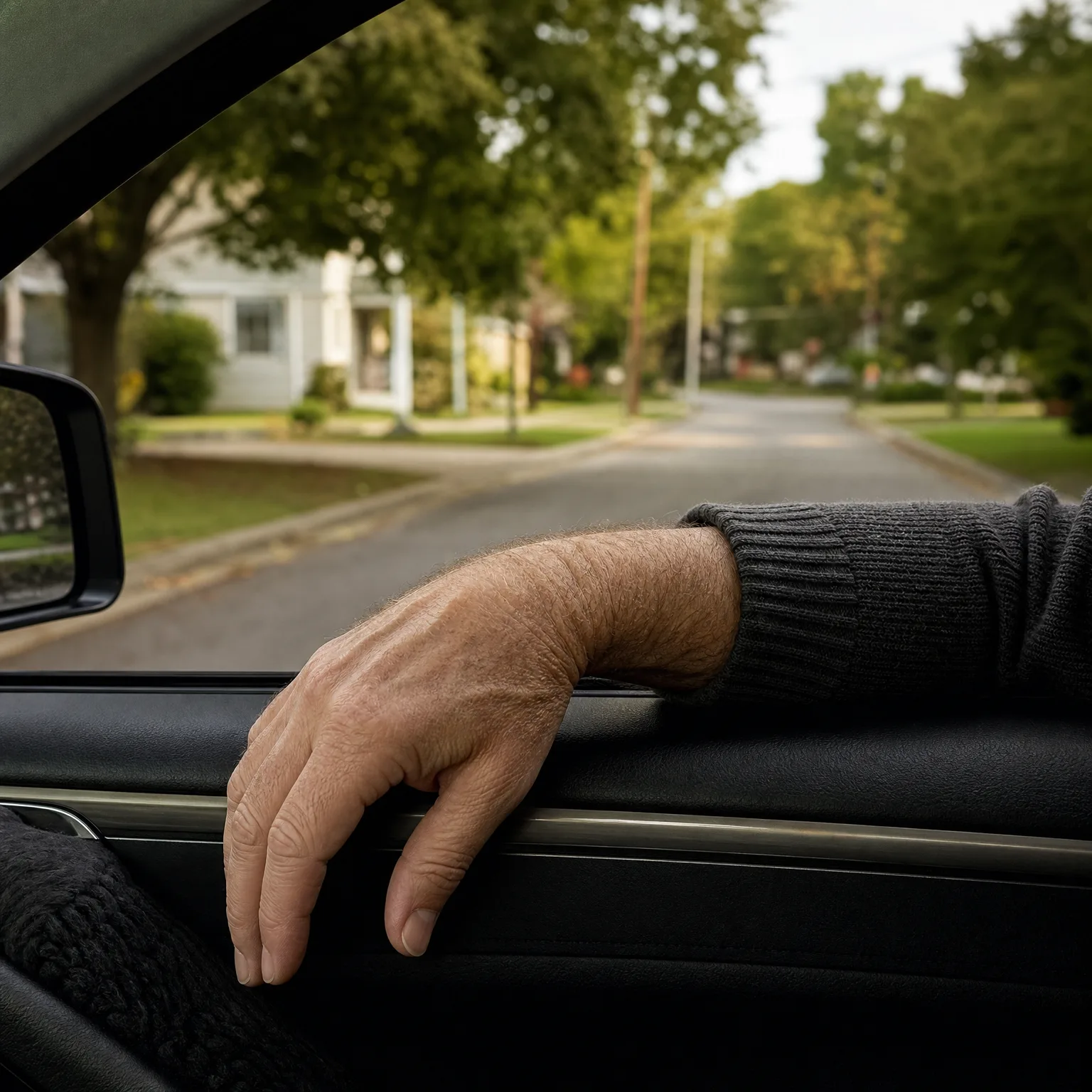
How to Help a Parent Get to Appointments
Most families end up with a mix of driving them yourself, using rides, and rethinking what their car insurance should look like now.
Free to compare
There's no single fix, but a few options work together
Start by asking what the appointments actually require. A regular eye doctor visit is different from dialysis three times a week. Some parents just need an occasional ride. Others need something reliable enough to build a routine around.
Family driving works for low-frequency needs but wears thin fast if appointments are frequent or far away. Rideshare apps, local senior transportation programs, and medical transport services (often arranged through the doctor's office or insurer) can cover the gap. Many areas have volunteer driver programs through senior centers that specifically exist for this.
Whether your parent is still driving themselves to some of this
If your parent still drives, their car insurance is part of this conversation, not separate from it. A driver who's cut back on nighttime or highway driving, or who's driving less overall because family and rides now cover some trips, may be paying for coverage that doesn't match their actual use.
This is a good moment to call their insurer and ask directly what their policy assumes about mileage and driving patterns. Some insurers offer lower rates for low-mileage drivers, and a parent who's driving less because of help from family might qualify.
It's also worth asking about accident forgiveness or policies aimed at older drivers, since some insurers have programs built around this exact transition. What's available depends entirely on the insurer and the state, so ask rather than assume.
What happens when the driving stops being occasional
If appointments become frequent, say several times a week for ongoing treatment, the plan that worked for occasional care usually breaks down. This is when it's worth having the direct conversation about whether your parent should still be driving at all, separate from the appointment logistics.
If your parent stops driving, don't let the policy sit unchanged. Call the insurer and ask what happens to a policy when the named driver no longer uses the car. Some households keep the car insured for other drivers in the family. Others cancel the policy or switch the primary driver listed.
A lot of families miss this step entirely and keep paying for coverage built around a driver who's no longer behind the wheel. Ask the insurer directly what your options are once the situation changes, since this varies by company.
Questions people ask about this
Should I take my parent's keys away if they can't drive to appointments anymore?
That depends on why they can't make the drive, not just whether they can. Difficulty with appointments might be about mobility, scheduling, or distance rather than driving ability itself. If the concern is specifically about safety behind the wheel, a doctor or a state-run driving evaluation can give a clearer answer than a family guess.
Does Medicare pay for rides to the doctor?
Original Medicare generally doesn't cover routine transportation to appointments, though some Medicare Advantage plans include it as a supplemental benefit. Check your parent's specific plan directly, since this varies by plan and by insurer.
What is non-emergency medical transportation?
It's a transportation service specifically for getting people to and from medical appointments, often used by people who don't drive or don't have anyone available to take them. It's typically arranged through a doctor's office, a local health department, or sometimes through a Medicaid or insurance benefit, so ask your parent's provider what's available in your area.
How do I bring up driving retirement with a parent without upsetting them?
Frame it around the specific situation rather than their ability in general, since most people respond better to a concrete problem than a broad judgment. Bringing solutions to the conversation, like a ride plan already worked out, tends to go better than raising the question with nothing else decided.
Will my parent's car insurance go up if they stop driving regularly?
Not necessarily, and it may go down if the insurer offers lower rates for reduced mileage. The only way to know is to call the insurer and explain the change in how the car is being used.
If your parent's driving is changing, it's worth seeing what their policy could look like now.
This week, call your parent's insurer and ask two things: whether their policy reflects how much they're actually driving now, and what options exist if that changes further. Ask about low-mileage discounts and any programs for older drivers. If your parent has stopped driving, ask specifically what happens to the policy and whether it should be changed or canceled. Separately, call their doctor's office and ask what transportation resources they typically point patients toward, since many clinics already have a list of local options. Write down what you learn from both calls so the plan doesn't live only in your head.