How to Improve Night Vision While Driving
Getting your eyes checked and your headlights aimed correctly matters more than anything you do behind the wheel at night.
Free to compare
See an eye doctor before you change anything else
The biggest gains come from an updated vision prescription and headlights that are aimed properly, not from a new habit or a pair of glasses marketed for night driving. Eyes change gradually, so a prescription that was fine a few years ago may no longer be sharp enough for low light, and you may not notice the slow slide until someone points it out or you fail a vision test.
Headlights also drift out of alignment over time, especially after any work on the front of the car, and misaligned headlights light up less of the road exactly where you need it most. Both of these are things you can fix. A habit like slowing down or increasing following distance helps too, but it's a second step, not the first one.
Your eyes change in ways you can't always feel
Night vision depends on how well your eyes adjust to low light and recover from glare, and both of those get harder as the eyes age. This doesn't always show up as blurry vision. It can show up as glare from oncoming headlights taking longer to fade, or street signs that used to be easy to read now looking soft at the edges.
An eye doctor can check for this specifically, including conditions like cataracts that mostly affect night vision long before they affect daytime vision. If you haven't had an exam in a while, that's the place to start, because glasses alone can't fix a vision problem that hasn't been diagnosed.
If your state requires a vision test to renew your license, pay attention to what it actually tests. Many of these tests are done in normal light and won't catch a glare or low-light problem, so passing one isn't proof your night vision is fine.
What most people blame instead of fixing
Oncoming headlights get blamed for a lot of night driving trouble, and some of that is fair since LED and HID headlights are genuinely brighter than older bulbs. But people often stop there and don't check their own car's headlights, which is usually the more fixable problem.
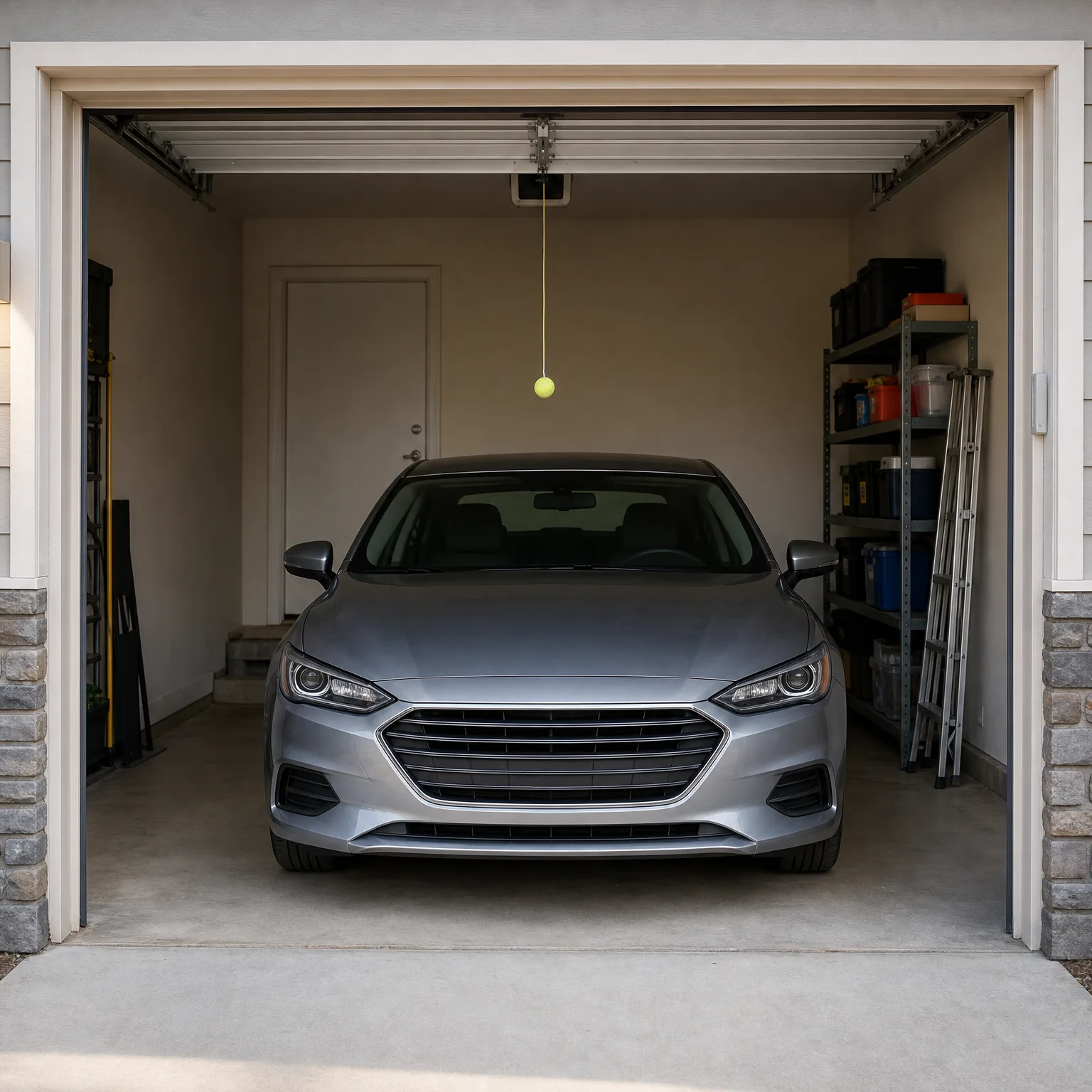
Look at the two headlight beams on your own car and see if they're even with each other and aimed at the road rather than up into oncoming traffic. A cloudy or yellowed headlight lens also cuts down how much light actually reaches the road, even if the bulb itself is fine. Cleaning or replacing the lens can make a real difference.
The windshield matters too. Small scratches and the film that builds up on the inside of the glass both scatter light and make glare worse, and most drivers never clean the inside of their windshield.
Questions people ask about this
Can special glasses or yellow lenses help with night driving?
There's no strong evidence that yellow-tinted or anti-glare glasses marketed for night driving actually improve what you see. What helps is wearing the correct, up-to-date prescription for your eyes, including an anti-reflective coating if your eye doctor recommends one for your lenses.
Why do oncoming headlights bother me more than they used to?
This is usually a sign that your eyes are taking longer to recover from glare, which is a normal part of aging eyes rather than a sign of a specific problem. It's worth mentioning to an eye doctor at your next exam, since they can check for conditions that make glare sensitivity worse.
Does a dirty windshield really affect night vision that much?
Yes. Dirt, haze, and small scratches on the glass scatter light from headlights and streetlights, which spreads out glare instead of letting you see clearly through it. Cleaning the inside of the windshield, where film builds up from the cabin, often helps as much as cleaning the outside.
Should I avoid driving at night altogether as I get older?
That depends on your own vision and comfort, not on your age by itself. Some drivers limit night driving because of glare or slower adjustment to darkness, while others with good corrected vision and well-maintained headlights have no trouble. An eye doctor is in the best position to tell you where you stand.
Will a vision problem affect my car insurance?
Insurers generally don't ask about your vision directly, but your state's licensing agency may require a vision test to renew your license, and that requirement is set by the state. Check with your state's DMV or licensing agency to find out what applies to you.
If a vision change or an aging car has you thinking about your coverage, it's worth seeing what else is out there.
Schedule an eye exam if you haven't had one in the past year or two, and ask specifically about night vision and glare rather than just reading an eye chart. While you're at it, check your own headlights on a dark street or in a garage to see if they're aimed evenly and look through the lens for any yellowing or cloudiness. Clean the inside of your windshield with a proper glass cleaner, since the film that builds up there is easy to miss. If your state requires a vision test for license renewal, find out what it actually measures so you know whether it would catch a night vision problem. Bring any concerns to your eye doctor by name rather than describing them vaguely, since