How to Keep Driving Longer Safely
Driving longer safely comes down to honest self-checks on vision, reaction time, and health, plus adjusting habits before a problem forces the issue.
Free to compare
It's about staying ahead of changes, not avoiding them
You keep driving longer safely by noticing changes in your vision, hearing, and reflexes early and adjusting how and when you drive before those changes cause a problem. That might mean avoiding night driving, taking routes with fewer left turns across traffic, or getting a vision or hearing check more often.
What this depends on most is being honest with yourself about what's changed. A doctor or an eye exam can confirm things you might not notice day to day, like slower reaction time or narrowing peripheral vision. Many drivers also take a refresher driving course, which sharpens habits and can affect what your insurer charges, depending on the insurer and the state.
Your vision and reaction time matter most
Vision changes gradually, which is why many people don't notice how much it's declined until an eye exam shows it. Glare at night, trouble judging distance, and slower adjustment between light and dark are common early signs. An annual eye exam catches these before they become a driving problem.
Reaction time slows with age too, and it affects how much space and time you need to respond to a sudden stop or a car pulling out. Some drivers compensate without realizing it, by leaving more following distance or avoiding highway merges during busy hours. That's a reasonable adjustment, not a sign you need to stop driving.
If a doctor raises a concern about your vision, hearing, or a medication's side effects, it's worth asking directly whether it could affect your driving. Some medications cause drowsiness or slower reflexes, and your doctor can tell you if a dose or timing change would help.
Your state may also require a vision test at renewal once you reach a certain age. That rule varies by state, so check with your state's DMV to know what applies to you.
How and when you drive matters as much as how well
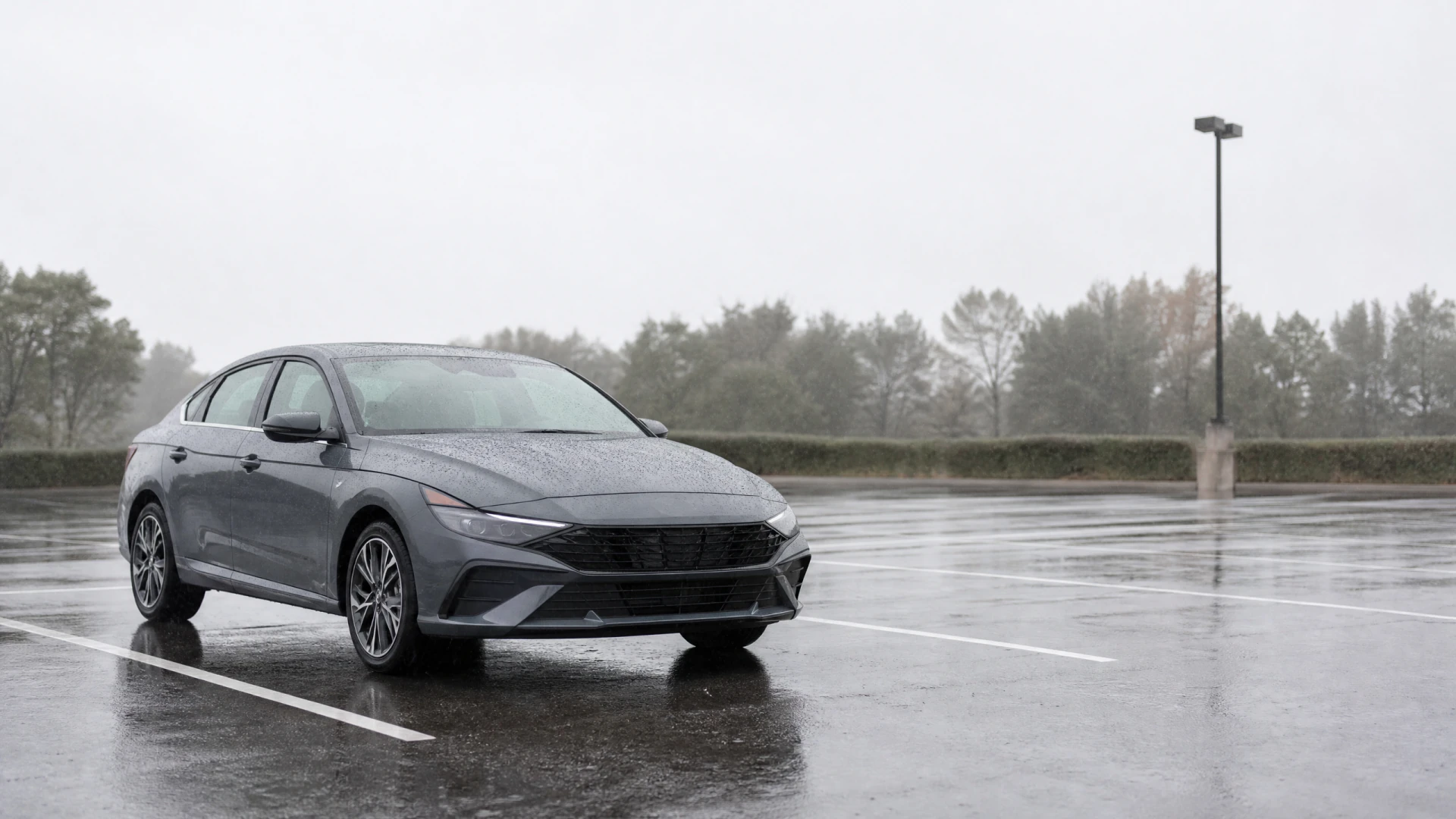
Driving longer safely often means changing your habits, not just your skills. Avoiding driving at night, in heavy rain, or during rush hour reduces the number of hard situations you have to react to. This isn't about giving up driving, it's about choosing conditions where your reaction time and vision are enough.
A mature driver or defensive driving course is worth considering even if you've driven for decades. These courses cover changes in traffic laws and common mistakes drivers develop over years of habit. Finishing one can also lower your insurance premium, though you'll need to send the certificate to your insurer yourself. It doesn't happen automatically.
Family members sometimes notice changes in a parent's driving before the driver does, like difficulty backing up or new dents on the car. If someone raises a concern, it's worth taking seriously rather than dismissing, since an outside view can catch things you can't see about your own driving.
Keeping your car well maintained matters too. Working headlights, good tires, and a clean windshield all reduce the margin for error, especially if your reaction time or vision has slowed even slightly.
Questions people ask about this
Will my insurance go up just because I'm older?
Not automatically. Insurers price based on your driving record, the car you drive, and where you live, and age alone isn't a guaranteed rate increase. Some insurers do raise rates after a certain age due to statistical risk, but this varies by insurer, so it's worth asking yours directly how age factors into your premium.
What is a mature driver course and do I need one?
It's a refresher course covering updated traffic laws and safe driving habits, often available online or in person. You don't need one to keep driving, but many drivers take one because it can lower their insurance premium and sharpen habits that fade over years of driving the same routes.
How do I know when it's time to stop driving?
There's no single sign, but a pattern of near misses, getting lost on familiar routes, or trouble with pedals or mirrors are worth paying attention to. A doctor or an occupational therapist who specializes in driving evaluations can give an honest, outside assessment if you're unsure.
Can my doctor report me to the DMV if they think I shouldn't drive?
Whether a doctor can or must report driving concerns to the DMV depends on your state. Some states require it in certain situations, others leave it to the doctor's judgment. Ask your state's DMV directly what its reporting rules are.
Does taking a defensive driving course actually lower my premium?
It can, but only if you send your insurer the completion certificate yourself. Many drivers finish the course and assume the discount applies automatically, then never see a change because they skipped that step. Check with your insurer first to see if they offer a discount for it and what they need from you.
See how a few changes to your coverage or a completed course could affect what you pay.

Schedule an eye and hearing exam if you haven't had one in the past year, since these catch changes before they affect your driving. Ask your doctor plainly whether any medication you take could slow your reflexes or cause drowsiness. If you haven't taken a mature driver or defensive driving course recently, look into one through a local organization or your insurer, and keep the certificate once you finish. Call your insurer to ask whether that certificate qualifies you for a discount and what they need to apply it. If a family member has raised a concern about your driving, take it seriously enough to get an outside opinion rather than guessing on your own.