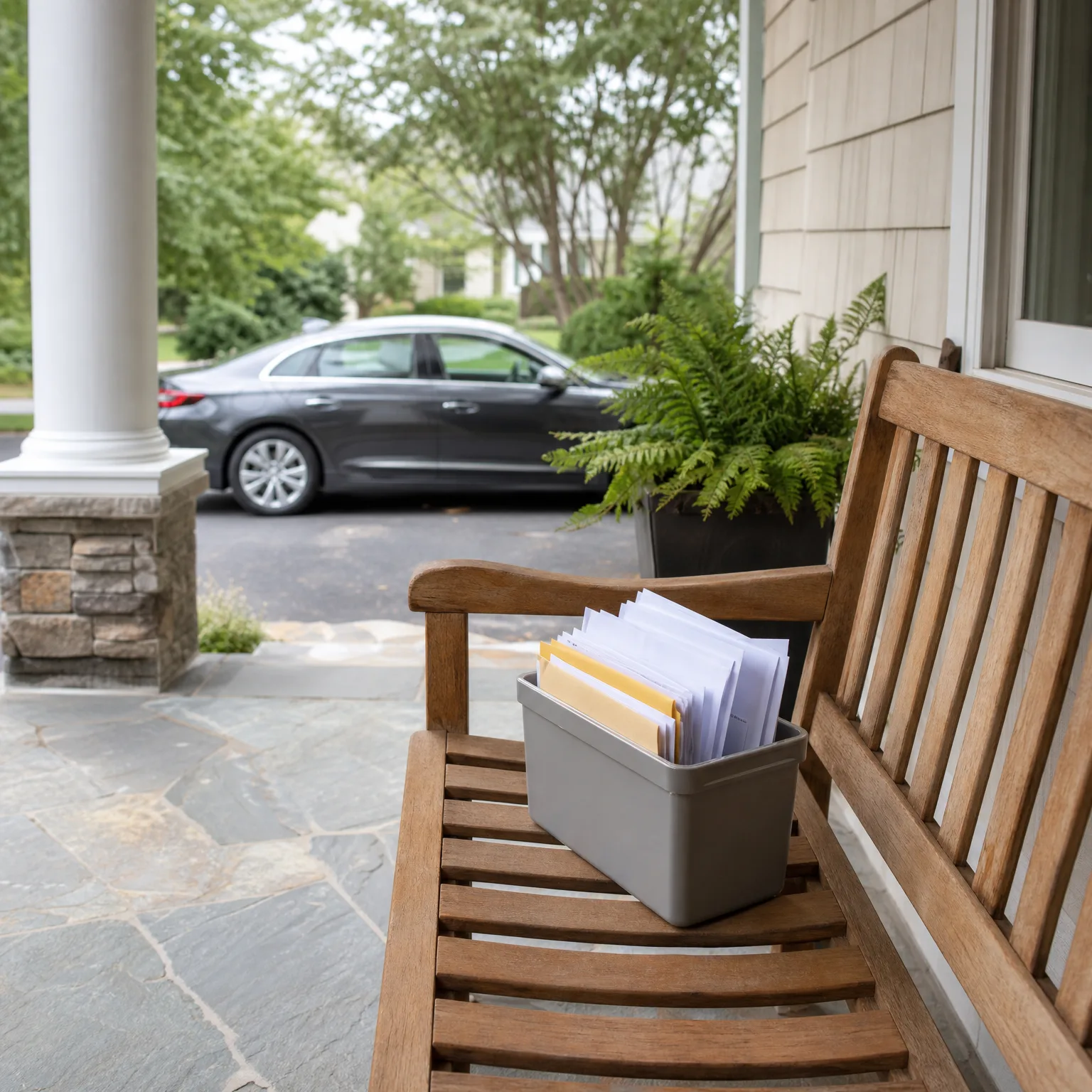
How to Keep Notes During a Car Insurance Claim
Write down the date, the name, and what was said, every time you talk to anyone about the claim.
Free to compare
Keep a running record from the first phone call to the last check
A claim moves through a lot of people. The officer at the scene, the first person who answers when you call your insurer, the adjuster assigned to your case, the body shop, maybe the other driver's insurer too. Each one has a piece of the story, and none of them is keeping notes for you.
Write down who you spoke with, the date, and what they told you, every single time. If an adjuster tells you something on the phone that contradicts what's in writing later, your notes are what you have to point to. Without them, it's your memory against their file.

What to capture depends on where you are in the claim
Right after the accident, the details fade fast. Write down what you remember about how it happened while it's fresh, even before you call anyone. The other driver's reaction, the weather, anything that was said at the scene. That version, written the same day, carries more weight than something you reconstruct weeks later.
Once the claim is open, shift to tracking contact. Every call with the adjuster, every email, every document you send. Note the date, the person's name, and the gist of what was decided or promised.
If there's a repair estimate, keep a copy and note any difference between what the shop says and what the insurer approves. That gap is often where disputes start, and your notes are what let you show the insurer changed its position.
If you end up negotiating a settlement, keep every number they offer and the date it was offered. Insurers sometimes start low and move. Having the sequence written down helps you see whether the final offer reflects the actual damage or just where the conversation happened to stop.

Most people lose track of verbal promises, not paperwork
The letters and estimates tend to get saved automatically, because they arrive in writing. What disappears is the phone call where someone said a rental car was approved, or that a repair would be covered, and then it wasn't followed up in writing.
After any call where something gets decided, send a short email summarizing what you understood was agreed. Ask the person to confirm or correct it. That email becomes your record even if they never reply, because it shows you raised it at the time.
Keep your notes in one place, not scattered across sticky notes and your phone. A single notebook or a document on your computer, with entries in order, is easier to hand over if you ever need to dispute something or involve your state's insurance department.
If your claim involves a dispute over fault or the size of a payout, these notes are often the only record of what was actually said before the insurer put its final position in writing.
Questions people ask about this
Should I record phone calls with my insurance adjuster?
Some states require both people on a call to agree to being recorded, so check your state's rule before you do this. If recording isn't an option, take notes during the call instead, including the time and the adjuster's name, and read back anything important to confirm you heard it right.
What should I write down at the scene of the accident?
Write down the time, the location, and what each driver said right after it happened, while it's still fresh. Note the other driver's name, insurance information, and license plate, along with anything a witness says, since witnesses are hard to track down later.
Do I need to keep copies of every email from the insurance company?
Yes, keep every email and letter in one folder so you can find them later if the claim gets disputed. Also keep anything you send back, since your side of the conversation matters just as much if there's ever a disagreement about what was agreed.
How long should I keep my claim notes after it's settled?
Keep them at least until the settlement check clears and any repairs are finished, since problems sometimes surface after the fact. Some people keep claim records for several years in case a related issue comes up, such as a diminished value dispute or a reopened injury claim.
What if the adjuster's notes don't match what I remember being told?
This is exactly why keeping your own notes matters, since the adjuster's file is their record, not an agreed one. If there's a real conflict, point to your written notes with dates and ask that the discrepancy be addressed directly rather than assuming their version is the official one.
Good notes won't change what happened, but they can change how smoothly the claim gets settled.
Start a single notebook or document today, even if your claim is already underway. Go back through your phone and email and reconstruct the calls and messages you can remember, with dates if you have them. From here forward, write a line after every call: who you spoke with, the date, and what was said or promised. If anything important gets agreed over the phone, send a follow-up email the same day restating it, so there's a written copy. Keep this record going until the claim is fully closed and any payment has arrived.