
How to Pay for Car Repairs on a Fixed Income
You can bring down repair costs by shopping the estimate, asking about payment plans, and checking whether your policy or warranty already covers part of it.
Free to compare
Start by separating what you must fix now from what can wait
Not every repair is urgent. A mechanic can tell you which problems affect safety or will get worse fast, and which ones are fine to put off for a few months while you save. Ask for that distinction directly when you get the estimate.
For the repairs that can't wait, get more than one estimate. Shops vary more than people expect for the same job, and a second opinion costs nothing. Ask each shop if they offer a payment plan or work with a financing company before you assume you have to pay all at once.

What your insurance actually covers
Collision and comprehensive coverage pay for repairs after an accident, a storm, a break-in, or hitting an animal. They don't pay for wear and tear, like a worn transmission or a battery that finally dies. If you're not sure which kind of damage you have, call your insurer and ask before you pay for the repair yourself.
If the car is still under a manufacturer warranty or you bought an extended warranty when you purchased it, check what it covers before you pay a shop out of pocket. Some repairs that seem unrelated to the engine or transmission are still covered.
If you do have a covered claim, ask your insurer whether they have a preferred shop network. Using one can mean the shop bills the insurer directly instead of you paying and waiting to be reimbursed.
If the repair isn't covered by insurance or a warranty, ask your insurer anyway whether raising your deductible or adjusting your coverage going forward could free up room in your monthly budget for repairs like this one.
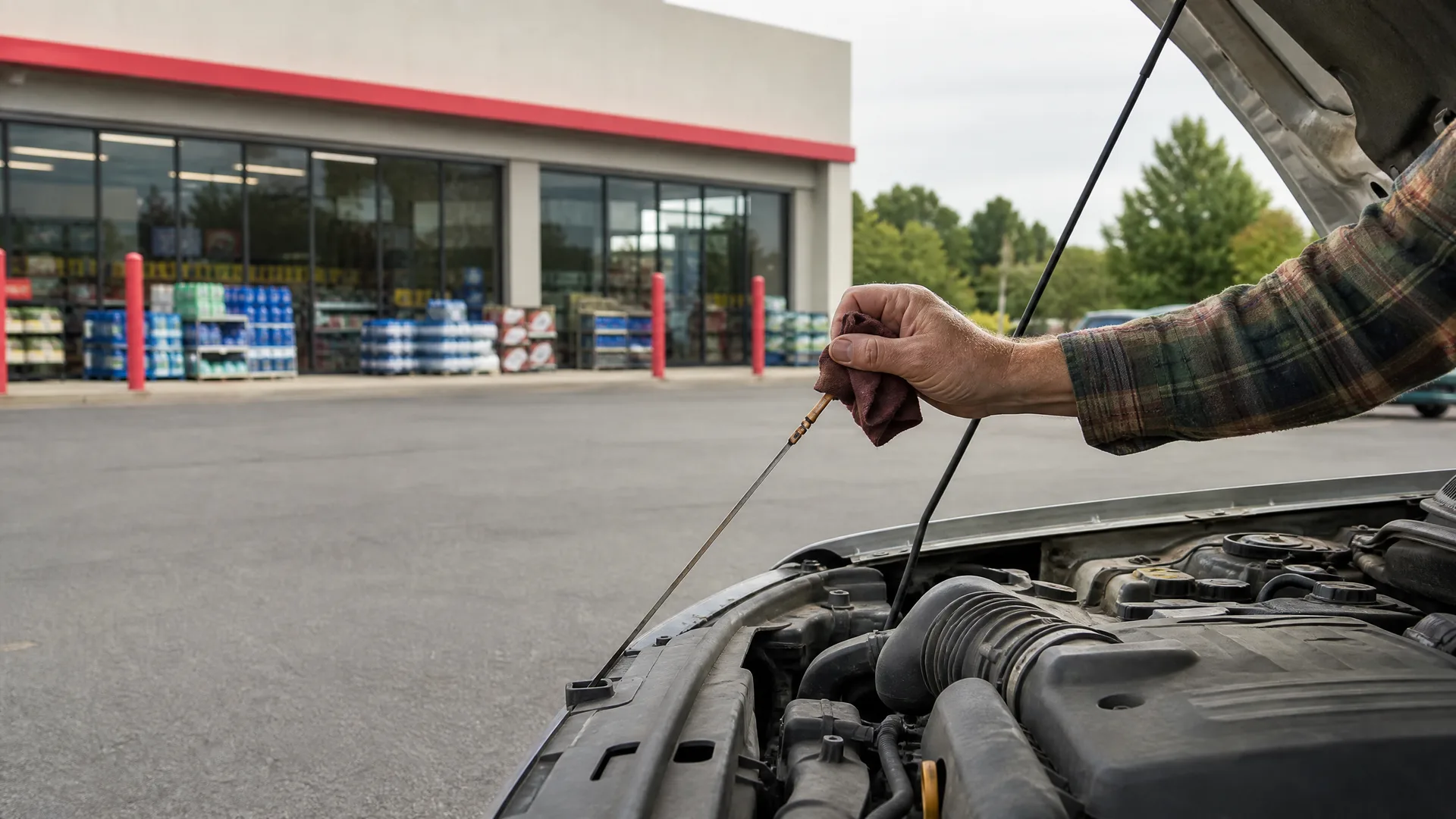
What most people don't ask about until it's too late
Many repair shops will set up a payment plan if you ask before the work starts, not after. Some break a large bill into a few payments with no interest if you pay within a short window. This isn't advertised. You have to ask.
Some nonprofit organizations and local agencies that serve older adults offer emergency repair grants or low-interest loans specifically for transportation costs, since losing a working car can mean losing access to medical appointments and groceries. A local Area Agency on Aging can tell you what's available where you live.
If a repair is large enough that it's close to the value of the car itself, it's worth asking the shop for that comparison in writing. Sometimes replacing an older car costs less over time than repeatedly fixing it, even on a tight budget.
Credit unions and some community banks offer small personal loans at lower rates than a credit card for exactly this kind of expense. If you already bank with one, ask what they offer before putting the repair on a card.
Questions people ask about this
Does Medicare or Medicaid help pay for car repairs?
No, Medicare and Medicaid cover medical expenses, not vehicle repairs. If the car is adapted for a disability, such as a wheelchair lift, check with your state's vocational rehabilitation agency, since some offer help with adaptive equipment repairs specifically.
Should I sell my car instead of fixing it?
That depends on how the repair cost compares to what the car is worth and what you'd pay to replace it. Get the car's trade-in value from a source like Kelley Blue Book and compare it honestly against the repair estimate before deciding either way.
Can I negotiate a car repair bill?
Yes, many shops will adjust labor costs or match a competitor's estimate if you ask before agreeing to the work. It helps to bring a written estimate from another shop and ask directly whether they can do better.
What happens if I can't pay for a repair at all?
Talk to the shop before the bill is due, not after. Many will hold the car and let you pay in installments, and some will refer you to a local charity or church fund that helps with transportation costs for seniors.
Will raising my insurance deductible lower my monthly payment enough to help?
It can, since a higher deductible usually means a lower premium, but it also means you'd pay more out of pocket if you file a claim. Ask your insurer to run the numbers both ways so you can see the actual tradeoff for your policy.
If part of this repair might be covered, it helps to know what your policy actually pays for before you decide anything else.

Call your insurer this week and ask plainly whether the repair you're facing falls under your current coverage, and if not, what it would take to add it. Get a second written estimate from another shop so you have a number to compare and negotiate with. Ask the shop directly about payment plans before the work starts, since that's rarely offered unless you ask. If the car is older, ask the shop to put the repair cost next to the car's trade-in value so you can see both numbers side by side. If money is tight beyond this one repair, call your local Area Agency on Aging to ask what transportation assistance exists in your area.