How to Save for Car Repairs After Dropping Collision
Set aside what your collision coverage used to cost, plus what your car is actually worth, in an account you don't touch for anything else.
Free to compare
Build the fund around your car's value, not a guess
Start by finding out what your car is worth right now. That number tells you roughly the most you'd ever need to cover a repair, since an insurer would have totaled the car past that point anyway. Your fund doesn't need to exceed that figure.
A simple way to start is redirecting the premium you were paying for collision coverage straight into a separate savings account. You were already budgeting for that money, so it won't change how you live day to day. Keep it somewhere you can reach quickly, like a basic savings account, rather than somewhere that penalizes you for withdrawing.
Your car's age and value set the target
An older car with a lower value needs a smaller fund, because that's likely close to what your insurer would have paid out anyway if you'd kept collision coverage. Check your car's current market value using a pricing guide or recent listings for the same make, model, and mileage, and use that as your rough ceiling.
If your car is still worth a meaningful amount, consider building the fund in stages rather than waiting until it's complete to feel covered. Even a partial fund can cover a fender repair or a cracked bumper, which are the kinds of repairs that come up more often than major collision damage.
Keep in mind that repair costs depend on your specific car. Parts and labor for some makes cost more than others, so if you know your car tends to need pricier parts, aim higher than you might for a more common model.
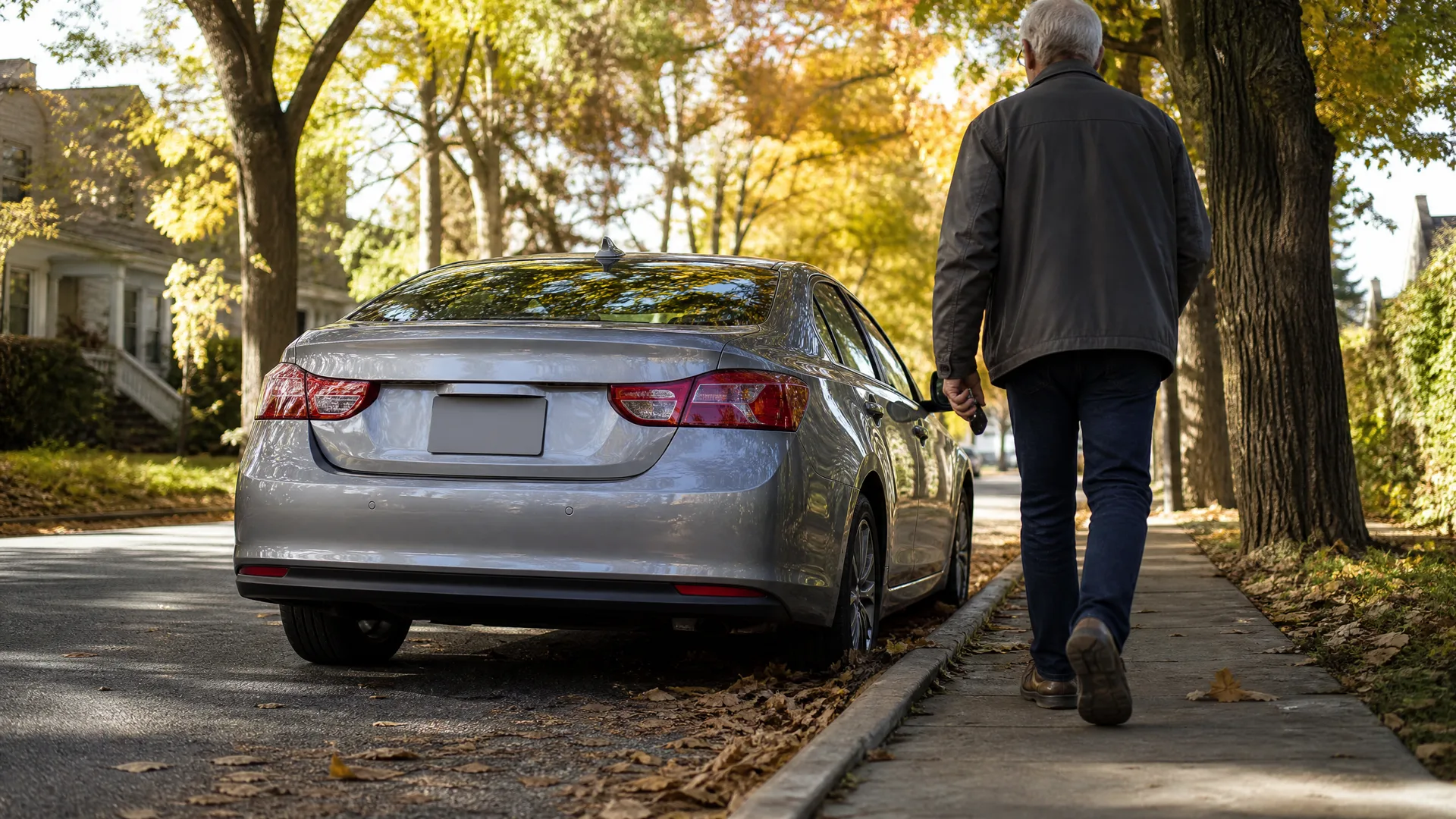
How you drive and where you park changes how fast you need it
If you drive often, drive in heavy traffic, or park on the street rather than in a garage, you're more exposed to the kind of minor incident a repair fund is meant to cover. That doesn't mean you need a larger fund, but it does mean building it quickly matters more than it would for someone who drives rarely.
Some people split the difference by keeping comprehensive coverage while dropping collision. Comprehensive covers things like weather damage, theft, and hitting an animal, which are often out of your control. If you still carry comprehensive, your repair fund only needs to cover at-fault collisions and minor dings, which lowers how much you need to set aside.
Check your policy to see exactly what you dropped and what you kept. The two coverages are separate, and knowing which one you still have changes what your fund actually needs to protect against.
Questions people ask about this
Should I keep comprehensive coverage if I drop collision?
Many drivers keep comprehensive even after dropping collision, since it covers things like theft, fire, or weather damage that have nothing to do with how carefully you drive. Whether it makes sense for you depends on your car's value and what comprehensive costs on your policy specifically. Ask your insurer for a breakdown of what each coverage costs separately so you can decide.
What repairs does a car usually need as it gets older?
Older cars more often need work on things like brakes, suspension, and minor body damage rather than major collision repairs. A repair fund built for collision costs will usually cover these too, since they tend to cost less than a major accident repair. Check your car's maintenance history to see what's come up already, since that often predicts what's coming next.
How do I find out what my car is worth before I decide how much to save?
Look up your car's value using a pricing guide that accounts for your specific mileage, condition, and location, since value varies a lot by region and demand. You can also check recent sale listings for the same make and model near you. Your insurer may also be able to tell you what they'd have valued the car at, which gives you a second number to compare.
Will dropping collision coverage affect my insurance rate for other coverages?
Dropping one coverage doesn't usually change the rate for coverages you keep, since insurers price each one separately. Your overall premium will go down because you're paying for less coverage, not because the remaining coverages got cheaper. Ask your insurer for an updated breakdown so you can see exactly what you're paying for now.
What should I do if a repair costs more than what I've saved so far?
If a repair costs more than your fund covers, you'll need to pay the difference out of pocket or delay the repair until you can, since there's no coverage to fall back on once collision is dropped. Some repair shops offer payment plans, which can help bridge the gap. This is also a reason to prioritize building the fund quickly if your car is still new enough to need costly repairs.
If you're weighing whether dropping collision was the right call, it helps to see what keeping some coverage would actually cost.
Pull up your policy this week and confirm exactly which coverages you have left, since comprehensive and collision are separate and many drivers mix them up. Look up your car's current market value so you know roughly what you're saving toward. Open a separate savings account for the repair fund if you haven't already, and set up an automatic transfer equal to what collision used to cost you. If you're unsure what your old collision coverage cost or what comprehensive costs now, ask your insurer for an itemized breakdown of your premium.